British Columbia’s minimum wage is set to increase to $17.85 per hour starting June 1, 2025, a 2.6% hike from the current $17.40. This adjustment aims to help low-wage workers keep pace with inflation but reignites the debate over whether it’s sufficient to address the province’s high cost of living, particularly compared to the estimated living wage.
Contents
- Understanding the New Minimum Wage Rate in BC
- Adjustments for Specific Worker Categories
- Liquor Servers
- Live-in Camp Leaders
- Live-in Home Support Workers
- Resident Caretakers
- Piece Rates for Hand-Harvested Crops
- Implications of the Wage Hike
- The Minimum Wage vs. Living Wage Debate
- Comparison with Other Canadian Provinces
- Conclusion: A Step Forward, But Affordability Challenges Remain
Key takeaways:
- The general minimum wage rises by 45 cents to $17.85 per hour on June 1, 2025.
- Specific wage rates for liquor servers, camp leaders, home support workers, and resident caretakers will also increase.
- The 2.6% increase broadly aligns with BC’s inflation rate in 2024.
- A significant gap remains between the new minimum wage and the estimated living wage in areas like Metro Vancouver.
Understanding the New Minimum Wage Rate in BC
Effective June 1, 2025, the standard minimum wage across British Columbia will become $17.85 per hour. This rate applies to most employees, regardless of whether they are paid hourly, on a salary, by commission, or through other incentive programs. Employers are mandated to ensure total compensation meets or exceeds the equivalent of the minimum wage for all hours worked.
This increase continues BC’s pattern of annual adjustments, typically tied to the province’s average inflation rate from the previous year.
Here is the recent progression of the minimum wage in British Columbia:
- June 1, 2025: $17.85 per hour
- June 1, 2024: $17.40 per hour
- June 1, 2023: $16.75 per hour
- June 1, 2022: $15.65 per hour
- June 1, 2021: $15.20 per hour
- June 1, 2020: $14.60 per hour
- June 1, 2019: $13.85 per hour
While these consistent increases demonstrate a provincial commitment to supporting low-wage earners, the question remains whether the pace of these changes adequately addresses the rapidly rising cost of living throughout British Columbia.
Adjustments for Specific Worker Categories
Beyond the general minimum wage, several specialized roles with unique pay structures will also see their minimum rates increase proportionally on June 1, 2025.
Liquor Servers
The minimum wage for liquor servers will also align with the general rate, rising to $17.85 per hour. This reflects a policy shift enacted in 2021 to eliminate a lower “tipped wage” for servers, ensuring that tips supplement, rather than replace, a standard base wage.
Live-in Camp Leaders
Workers in roles such as live-in camp leaders, paid a daily rate, will see their minimum compensation increase to $142.61 per day or part-day worked, up from $138.93 in 2024.
Live-in Home Support Workers
For live-in home support workers providing care in clients’ homes, the minimum daily rate will increase to $133.05 per day or part-day worked, rising from $129.62.
Resident Caretakers
Minimum monthly wages for resident caretakers, which vary based on the number of suites managed, will also increase by 2.6%.
- For buildings with 9 to 60 suites, the rate will be $1,069.36 per month plus $42.84 per suite.
- For buildings with 61 or more suites, the rate will be $3,642.51 per month.
Piece Rates for Hand-Harvested Crops
Minimum piece rates for 15 specific hand-harvested agricultural crops are also scheduled for a 2.6% increase, effective December 31, 2025. This ensures that agricultural workers paid per volume harvested also receive a corresponding wage boost.
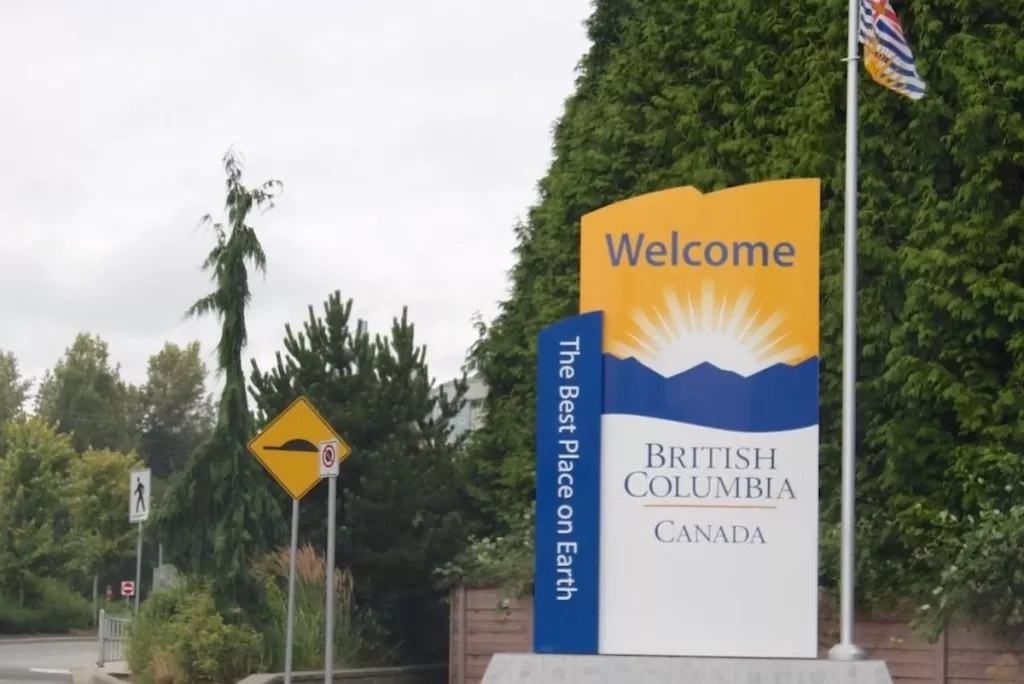 Image of a map of British Columbia
Implications of the Wage Hike
The increase to $17.85 per hour directly impacts roughly 6% of British Columbia’s workforce, or about 150,000 individuals. While the 45-cent per hour raise, translating to about $936 annually for a full-time worker, offers a welcome financial relief, its overall impact on financial stability is limited, especially when viewed against the province’s high cost of living.
The increase is slightly above the 2.4% inflation rate recorded in BC for 2024, meaning minimum wage earners’ purchasing power should, in theory, slightly improve. However, cumulative inflation over several years has eroded affordability, making a single modest increase less transformative for many.
Businesses across various sectors, particularly retail, hospitality, and agriculture, will face increased labor costs. For some, managing these costs will require careful planning to balance profitability with compensation requirements. The increase also contributes to the ongoing discussion about the competitiveness of BC businesses compared to those in provinces with lower wage floors.
The Minimum Wage vs. Living Wage Debate
The $17.85 minimum wage stands in stark contrast to the concept of a living wage in British Columbia’s major centers. A living wage is calculated as the hourly rate needed for a family to cover basic necessities and participate in community life without relying on debt or charity.
Living Wage for Families BC estimated the 2024 living wage for Metro Vancouver at $27.05 per hour. This figure accounts for essential expenses like housing, food, transportation, childcare, and modest savings.
The substantial $9.20 per hour gap between the new minimum wage ($17.85) and the Metro Vancouver living wage ($27.05) highlights the financial pressure on minimum wage earners in high-cost areas. A worker earning the minimum wage in Metro Vancouver would need to work significantly more hours—equivalent to far more than a standard full-time job—to reach the income level considered a living wage. This disparity forces many low-wage workers to make difficult choices regarding housing, food security, or other necessities.
This gap fuels the ongoing call from advocacy groups and some employers for businesses to voluntarily adopt living wage policies, recognizing that employee well-being is linked to financial stability and the ability to afford local costs.
Comparison with Other Canadian Provinces
Even with the increase to $17.85, British Columbia maintains the highest provincial minimum wage in Canada as of June 1, 2025. However, simply having the highest nominal rate doesn’t tell the whole story.
When adjusted for the cost of living, the purchasing power of BC’s minimum wage may not be as high as in provinces with lower wages but significantly lower costs of living. This comparison underscores the unique economic landscape in British Columbia, where high wages are often offset by even higher expenses.
Conclusion: A Step Forward, But Affordability Challenges Remain
British Columbia’s increase of the minimum wage to $17.85 per hour on June 1, 2025, represents a positive step aimed at helping low-wage workers keep pace with inflation. This adjustment will provide a modest financial boost for approximately 150,000 employees across various sectors.
However, the persistent and significant gap between the new minimum wage and the estimated living wage, particularly in costly urban centers like Metro Vancouver, underscores the ongoing affordability crisis in the province. While the 2.6% increase aligns with recent inflation, it does not fully address the cumulative impact of rising costs over several years.
For businesses, adapting to increased labor costs will be key, balancing competitive wages with operational viability. Meanwhile, the broader societal conversation about what constitutes a fair wage and how to ensure basic affordability in high-cost regions is expected to continue. The minimum wage hike is a piece of the puzzle, but the larger challenge of ensuring all British Columbians can afford to live where they work remains a critical focus.
For more information on minimum wages across Canada and related economic topics, you may find these articles helpful: Minimum Wage in Canada, In-Demand Jobs in British Columbia, and updates on Canada’s Immigration Policies.