Despite market jitters and geopolitical shifts, Brookfield Asset Management CEO Bruce Flatt remains remarkably calm, viewing global turbulence not as a threat, but as a fertile ground for massive growth. This outlook underpins Brookfield’s aggressive strategy to nearly double its assets under management (AUM) to US$2 trillion in just five years, a stark contrast to the 25 years it took to reach its current US$1 trillion milestone. This article delves into Flatt’s perspective and how Brookfield plans to capitalize on disruption.
Contents
Key Takeaways:
- Brookfield aims to double AUM from $1 trillion to $2 trillion in just five years, fueled by strong capital raising.
- CEO Bruce Flatt sees current market volatility and trade disputes as temporary “blips” in a long-term trend of global capital demand.
- The firm is strategically investing tens of trillions of dollars in areas like AI infrastructure, energy transition, and supply chain retooling.
- Despite challenges in real estate and private equity, Brookfield is leveraging its scale and capital to find opportunities.
- Brookfield is expanding rapidly into new areas like credit and insurance, increasing its scale and facing more scrutiny.
Navigating Shifting Sands with a Long-Term View
Just last fall, Flatt suggested the market was poised for a recovery after the volatility sparked by the COVID-19 pandemic. Inflation was easing, interest rates seemed headed down, and capital flows were picking up. However, recent geopolitical tensions, particularly around trade policy and tariffs, have upended that optimistic picture for many investors.
While others on Wall Street and Bay Street express caution, Flatt maintains his composure. He views the current turmoil as a temporary blip, unlikely to be significant when looking back in 20 years. Instead, he points to potentially massive productivity gains driven by investments in technology like artificial intelligence, suggesting a “Goldilocks environment” could emerge for the next decade or two.
Flatt’s optimism stems from his decades-long experience navigating market crises and a core belief in the power of compounding interest and making “little mistakes, not big ones.” Brookfield is built on a foundation of keeping capital ready to deploy when opportunities arise and focusing on long-term value creation rather than short-term market swings.
 Brookfield Place, home to Brookfield's New York City headquarters. Brookfield's portfolio reached the US-trillion milestone last year.
Brookfield’s Expanding Empire and Growth Ambitions
Brookfield’s scale is immense, with its core real estate, infrastructure, and private equity businesses managing over US$630 billion. In recent years, the firm has rapidly built new pillars in renewable energy, credit, and insurance, which are now poised to drive significant future growth.
Reaching US$1 trillion in AUM last year was a major milestone that took 25 years. The ambition to reach US$2 trillion in just five years highlights the acceleration of capital flowing into private markets and Brookfield’s increasing ability to attract large institutional investors globally, including sovereign wealth funds and pension funds. The company is consistently raising over US$100 billion in new money for its funds each year.
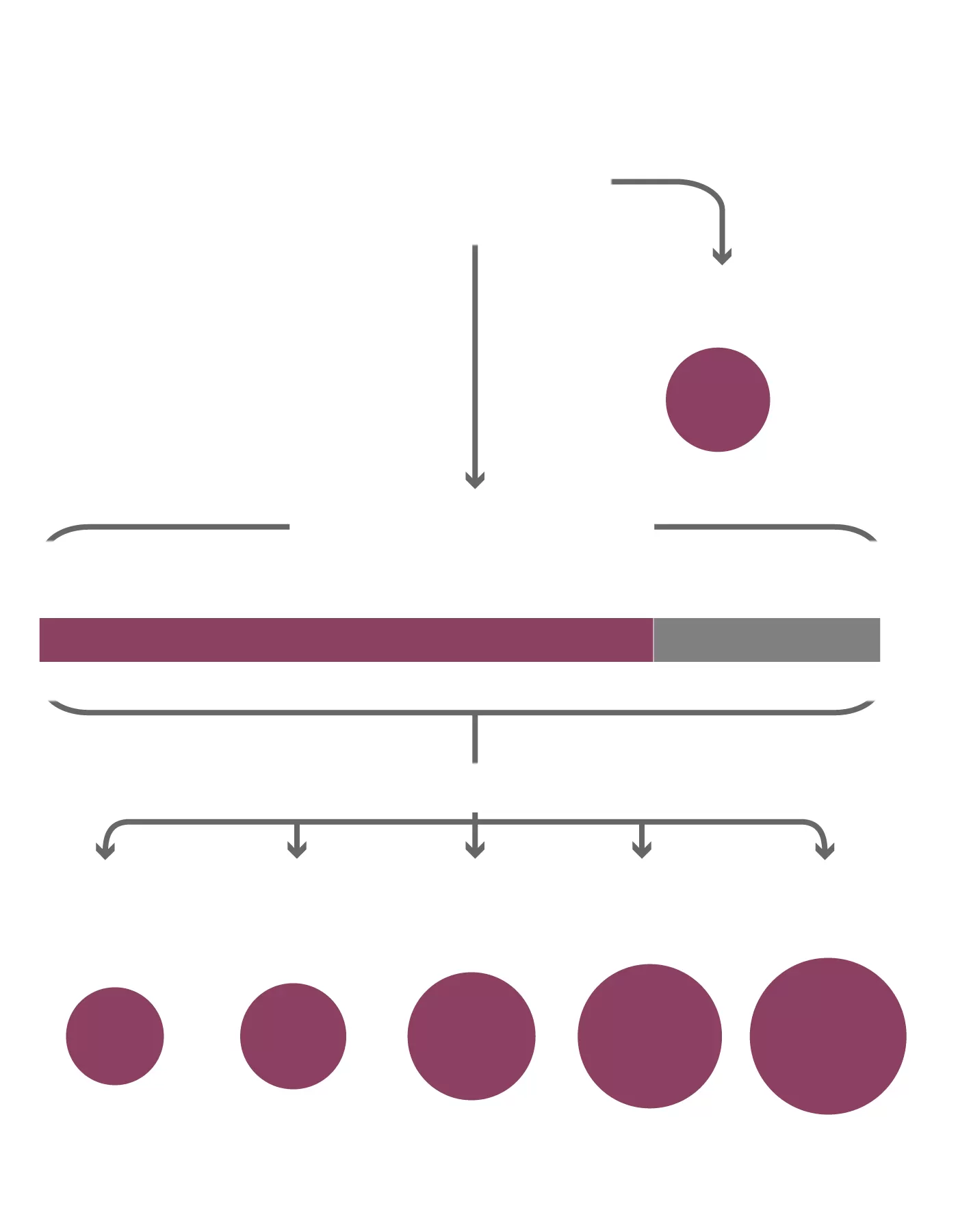 Simplified look at Brookfield's corporate structure and key businesses, including assets under management figures in U.S. dollars.
While this rapid expansion presents new challenges, positioning Brookfield among a select few global investment giants, it also underscores the increasing shift of investment capital from public markets to private assets.
Navigating Sector Headwinds
Even as Brookfield raises vast sums, some of its traditional sectors face headwinds. Commercial real estate, still recovering from the pandemic and grappling with higher borrowing costs, remains challenging. Private equity deal-making has slowed, forcing firms to focus on operational improvements rather than easy exits. The renewable energy sector, while growing, faces potential pressure from changing climate policies and rising tariff costs.
Despite these sector-specific issues, Brookfield emphasizes its operational expertise and significant available capital (nearly US$120 billion) as buffers against market volatility. Flatt argues that their size allows them to be selective, targeting high-quality assets, particularly in distress, at attractive valuations.
Seizing Opportunities in the “Retooling of the World”
Flatt’s confidence is deeply tied to his thesis of a fundamental “retooling of the world.” This isn’t just about protectionist trade policies but broader, long-term trends:
- Digitization and AI: The massive investment needed for data centers and AI infrastructure.
- Clean Energy Transition: The global effort to build renewable power and upgrade energy grids.
- Deglobalization/Supply Chain Shifts: The movement towards more localized manufacturing and diversified supply chains.
Brookfield is actively positioning itself at the forefront of these trends. Recent major deals include:
- Partnering with Microsoft to develop 10.5 gigawatts of renewable power capacity.
- Launching a €20 billion joint investment program with France for data centers and AI infrastructure.
- Planning a US$10 billion data center for AI in Sweden.
- Financing a US$6.25 billion bond for a US$30 billion joint venture with Intel to build semiconductor plants in Arizona.
- Acquiring Triton International, the world’s largest container lessor, for US$4.7 billion, betting on trade infrastructure despite political noise.
These large-scale projects require immense capital, positioning Brookfield and other major asset managers as crucial players in shaping the future global economy. While political actions like tariffs can create noise and short-term market reactions, Flatt believes the fundamental demand for this type of infrastructure and investment will ultimately prevail.
Flatt also maintains that tariffs have less impact on Brookfield than one might expect because a significant portion of their US$1 trillion portfolio is invested locally within countries – in infrastructure and real estate that serve domestic needs, or businesses selling to local consumers. While some cross-border businesses they own are directly exposed, the overall model relies more on stable rule of law and long-term capital appreciation within countries rather than international trade flows.
Increased Scrutiny and Political Dynamics
As Brookfield has grown, so has the scrutiny. Its complex structure, involving a web of entities and funds, and its increasing reach into areas like insurance and retail investing attract more attention. Recent political developments, such as former Brookfield executive Mark Carney entering Canadian politics, have also brought the company into the public spotlight.
Despite this, Flatt maintains his focus remains solely on running Brookfield. The company has addressed questions about its structure and related-party transactions, particularly concerning real estate sales to its insurance affiliates, by emphasizing the strategic fit of long-duration investments for long-duration liabilities.
Brookfield’s move to list its asset management arm in New York was a strategic decision aimed at accessing major U.S. stock indexes and improving its valuation, which Flatt long believed was undervalued. This strategy appears to be paying off, with both Brookfield Asset Management and parent Brookfield Corp. shares seeing significant appreciation since the 2022 spinoff. Wall Street figures like Bill Ackman have also taken large stakes, predicting further stock gains.
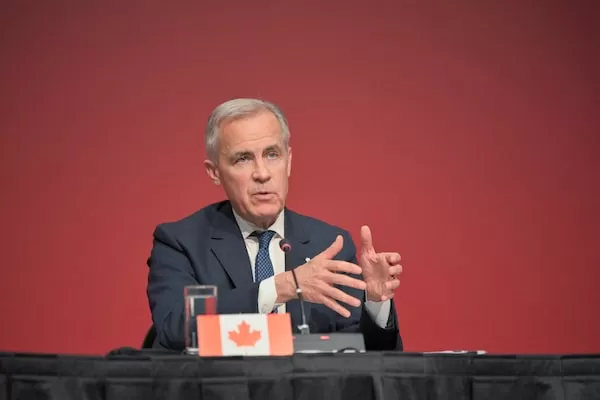 Mark Carney resigned from Brookfield in January to run for political office.
The Next Chapter: Leadership Transition
At 59, Bruce Flatt is preparing for a leadership transition, with Connor Teskey, currently president of Brookfield Asset Management and head of its renewables arm, slated to take over as CEO when the time is right. Flatt plans to remain involved as a large investor and advisor.
Teskey will inherit a far larger and more complex organization than Flatt did in 2002, with a correspondingly greater responsibility. However, Flatt believes the groundwork has been laid, and the opportunities for large-scale impact and significant returns are greater than ever.
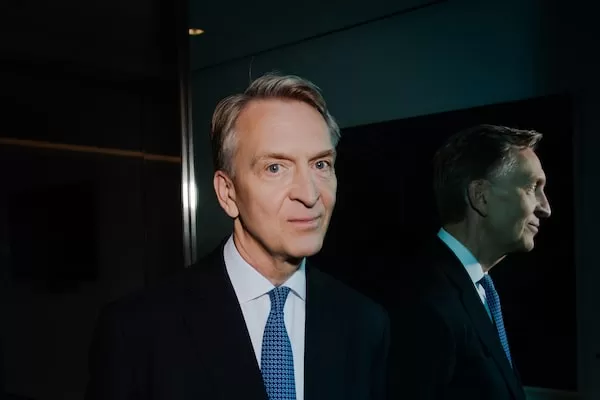 Brookfield CEO Bruce Flatt has spent over 23 years leading the company through major market crises.
Conclusion
Brookfield’s strategy, as articulated by Bruce Flatt, is one of long-term, large-scale investment focused on fundamental global shifts rather than short-term market noise. Despite political and economic turbulence, the company is actively deploying vast capital in critical sectors like technology infrastructure and energy transition, aiming for unprecedented growth to reach US$2 trillion in assets. While increased scale brings scrutiny, Brookfield is leveraging its size, capital, and experience to find opportunities others may miss, positioning itself as a key player in shaping the global economic landscape for decades to come.
To learn more about specific areas of Brookfield’s business or related market trends, explore our related coverage on real estate, private equity, renewable energy investments, or the impact of global trade policy.