Cadillac has unveiled the Optiq-V, a new high-performance electric SUV designed to challenge traditional performance vehicles. This model signifies a bold move in GM’s luxury EV strategy, combining potent power with the integration of the Tesla-style NACS charging port. Key takeaways include its impressive acceleration, advanced performance features, and the implications of its charging port choice for future EV infrastructure use.
Contents
Unleashing Electric Performance
The standard Cadillac Optiq, with its dual-motor all-wheel-drive setup, already offers a respectable 300 horsepower and 354 pound-feet of torque. However, the new Optiq-V significantly elevates the performance game.
Equipped with dual electric motors, the Optiq-V churns out 515 horsepower and 650 lb-ft of torque. This power enables the electric SUV to sprint from 0 to 60 miles per hour in a mere 3.5 seconds when utilizing its Velocity Max mode. This places it among the quickest vehicles GM has ever produced, narrowly trailing the Lyriq-V which debuted earlier this year. This level of acceleration positions the Optiq-V to compete directly with many gas-powered performance SUVs currently on the market.
While built for speed, the extra power impacts driving range. The Optiq-V is expected to offer a GM-estimated range of 275 miles from its 85 kilowatt-hour battery pack, compared to the standard Optiq’s EPA-estimated 302 miles.
Beyond raw power, the Optiq-V is loaded with performance-oriented features not found on the base model. These include a configurable V-Mode, a track-optimized Competitive Mode, Launch Control, and high-performance Brembo brakes available with distinctive red or blue calipers. GM’s Super Cruise advanced driver assistance system (ADAS) is also included as standard equipment, enhancing both comfort and capability.
Integrating the NACS Charging Standard
A significant development with the Optiq-V is its status as the first GM electric vehicle to come factory-equipped with the North American Charging Standard (NACS) port, originally developed by Tesla. This move grants Optiq-V owners direct access to a vast network of Tesla Superchargers, supplementing existing public charging options.
 Close-up of the Tesla NACS charging port on the 2026 Cadillac Optiq-V fender
However, the transition is not without its complexities. The Optiq-V’s charging port is located on the front-left fender. Many older Tesla V3 Superchargers have short cables optimized for Tesla vehicles, whose ports are typically located in the back-left or front-right. This means Optiq-V drivers might need to park in a way that occupies two charging spots until Tesla upgrades more Superchargers to the newer V4 dispensers with longer cables designed for universal EV compatibility. As industry experts have noted, while NACS adoption is a positive step, it doesn’t immediately solve all public charging infrastructure challenges for non-Tesla EVs.
Design and Pricing Details
The Optiq-V distinguishes itself visually from the standard model with several aesthetic enhancements. The front bumper, lower lip, and 21-inch wheels are blacked out, lending a sharper and more aggressive appearance. Cadillac also offers an optional carbon fiber package, adding performance styling cues to the front splitter, rear diffuser, and spoiler. Buyers will also have the choice of two limited edition metallic colors: Magnus Metal Frost (gray) and Deep Ocean Tintcoat (blue).
 Front view of the new 2026 Cadillac Optiq-V electric performance SUV
Pricing for the Cadillac Optiq-V will start at $68,795, including the destination fee. This positions it as a premium offering, costing $14,405 more than the base Optiq AWD model. Compared to Cadillac’s other performance EV SUV, the Lyriq-V, which starts at $80,090, the Optiq-V is roughly $11,000 more affordable, offering a slightly less extreme performance package at a lower price point.
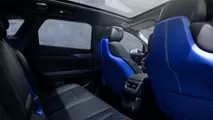 Rear view of the 2026 Cadillac Optiq-V highlighting design elements
Context within GM’s EV Strategy
The unveiling of the Optiq-V comes at a time when some observers have questioned the pace or direction of GM’s electric vehicle push, particularly following investments in traditional engine technology. However, the introduction of models like the Lyriq-V, the Chevrolet Blazer EV SS, and now the Optiq-V sends a clear signal. GM is demonstrating a commitment to high-performance electric vehicles across its brand portfolio.
 Side profile of the 2026 Cadillac Optiq-V performance electric vehicle
These vehicles collectively showcase GM’s ability to leverage its Ultium battery platform for diverse applications, including performance-oriented models. The integration of NACS technology further underlines GM’s adaptation to evolving industry standards and efforts to improve the EV ownership experience.
Outlook and Implications
The 2026 Cadillac Optiq-V is poised to attract buyers seeking luxury, performance, and electric propulsion in a single package. Its competitive pricing relative to the Lyriq-V and its integration of the NACS port are significant factors. The market will be watching how consumers respond to its balance of performance and range, as well as their experience navigating the NACS charging network during the ongoing infrastructure transition. This launch reinforces GM’s strategic intent to be a major player in the future of high-performance electrified mobility.
To learn more about GM’s EV initiatives and other performance models, explore related articles such as the details on the 2026 Cadillac Lyriq-V or insights into GM’s broader EV strategy. You can also find more information on the challenges and opportunities presented by the NACS charging transition for non-Tesla EVs.