Canada’s cattle numbers have fallen to their lowest point in 60 years, yet the full price shock hasn’t hit consumers, according to market analyst Brian Perillat. This surprising situation is largely due to record-high prices incentivizing producers to raise larger, heavier animals and the industry becoming more efficient.
Contents
- Why Record Prices Haven’t Meant Record Shortages Yet
- The Producer’s Decision: Profit Now vs. Future Herd
- Navigating Market Peak Uncertainty
- The Role of Imports and Consumer Demand
- The Impact of the Beef-on-Dairy Trend
- Canada’s Shrinking Beef Herd: A Historical View
- Outlook: What’s Next for the Cattle Market?
Key takeaways:
- Canadian cattle numbers are at a 60-year low.
- Higher carcass weights and industry efficiency are delaying the full market impact.
- Record prices encourage producers to focus on maximizing weight for immediate profit.
- Herd rebuilding (heifer retention) is slow, contributing to future tightness.
- Market peak timing is uncertain, dependent on retention rates.
- Strong consumer demand persists despite high retail beef prices.
Why Record Prices Haven’t Meant Record Shortages Yet
Despite the dramatic drop in herd size, the amount of beef being produced hasn’t fallen proportionally. This is because record-high cattle prices are giving producers a strong incentive to keep cattle on feed longer, pushing average carcass weights to unprecedented levels. Essentially, the industry is getting more beef from fewer animals.
“We’ve never had a bigger incentive to make cattle bigger,” Perillat told the Saskatchewan Stock Growers Association annual meeting.
Reasonable feed costs and strong consumer demand further support this strategy. Historically, carcass weights decline seasonally, but this hasn’t happened recently as producers capitalize on prices by adding weight.
This scenario creates a favorable market for those selling calves, but it increases risk for buyers who face higher input costs.
The Producer’s Decision: Profit Now vs. Future Herd
A key factor delaying herd expansion is that producers are currently prioritizing immediate profit over retaining heifers to build the breeding herd. Selling calves and heifers at today’s high prices is simply too attractive.
Cow slaughter rates are significantly down, falling 13 to 14 percent this year on top of a 15 percent drop last year. This shows producers are holding onto existing breeding stock, but they aren’t adding new females to replace or grow the herd base. Until heifer retention increases, the potential for tighter numbers and potentially higher prices in the future remains.
Navigating Market Peak Uncertainty
The timing of the market peak is a significant unknown. Perillat suggests there’s potential for further price upside as overall cattle numbers tighten. However, the market could peak sooner than anticipated if producers collectively decide to begin substantial heifer retention, signaling the start of herd rebuilding.
Current cattle on feed numbers have decreased slightly from their peak but are still well above the levels seen during the last market highs in 2014-15. This suggests that while numbers aren’t critically tight yet within the feeding system, the reluctance to shift animals into the breeding herd indicates tighter supply is still likely ahead if retention doesn’t pick up.
The Role of Imports and Consumer Demand
In the United States, imports have played a role in offsetting domestic production declines, making the U.S. a major beef importer.
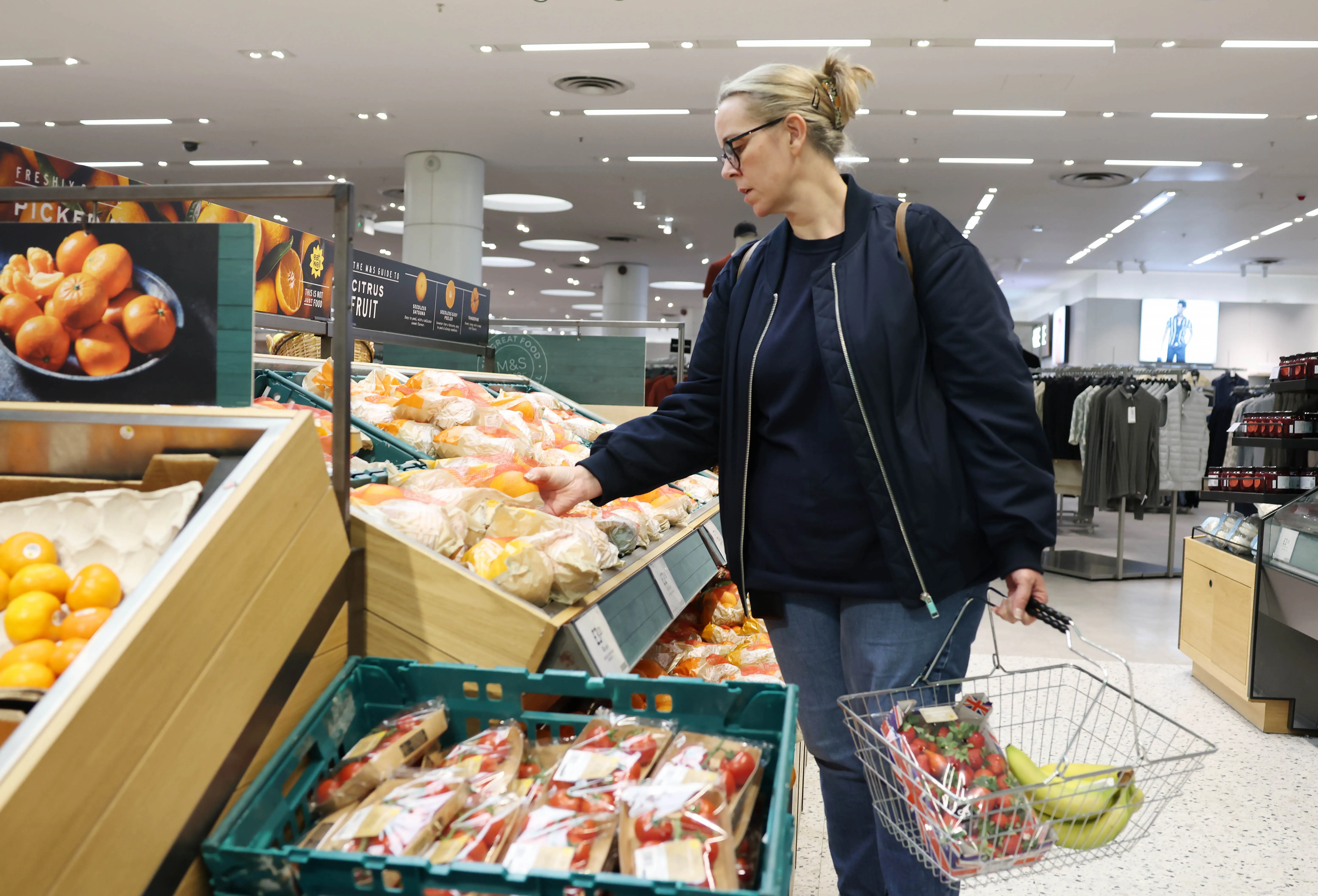
Meanwhile, consumer demand for beef remains strong despite record-high retail prices. More than half of beef is consumed as ground beef, leading Perillat to suggest consumers might be trading down from premium cuts like steaks to more affordable options like ground beef rather than switching entirely to chicken or pork.
The price gap between beef and pork has widened significantly, with pork prices remaining relatively static while wholesale beef prices have climbed dramatically. Perillat anticipates continued high U.S. import levels next year, contrary to some projections.
The Impact of the Beef-on-Dairy Trend
The trend of breeding dairy cows with beef genetics has added supply to the beef sector in recent years. While the veal industry has declined, some calves from that sector have also shifted to beef.
The significant change is the value of these dairy calves, which have surged from around $25 seven or eight years ago to $1,000 today. This high value incentivized dairy producers to use beef semen extensively.
However, this focus on high-value beef cross calves has had an unintended consequence: it has potentially created a shortage in the dairy replacement heifer market, driving those prices extremely high. Perillat estimates the beef-on-dairy movement has added about 500,000 cattle to the beef supply chain, but this doesn’t fully offset the overall two-million-head decline in the North American cattle herd.
Canada’s Shrinking Beef Herd: A Historical View
Canada’s beef cattle herd has seen a significant contraction over the past couple of decades. Before the BSE crisis, the herd stood around 4.5 million cows, grew to about 5.2 million immediately after, but has since fallen to roughly 3.4 million.
Perillat considers this about a “good, solid million beef cows” below what he sees as a desirable number for the Canadian industry.
Factors preventing herd growth include economic challenges, adverse weather conditions, and the conversion of grazing land to grain production. Rebuilding the herd requires significant investment and time, making current high prices and profit-taking appealing in the short term but challenging for long-term expansion.
 Graphic inviting sign-ups for updates on agricultural markets and livestock news.
Outlook: What’s Next for the Cattle Market?
The current low cattle numbers are a foundational issue for the beef industry. While efficiency and heavier weights have masked the full impact so far, the market remains delicately balanced. The timing of a potential peak depends heavily on whether producers begin retaining heifers to rebuild the breeding herd. Until that happens, or unless demand significantly softens, supply is likely to remain tight, supporting prices.
Understanding these dynamics is crucial for anyone involved in or invested in the livestock and agricultural markets. Explore related articles to delve deeper into factors influencing the beef industry and broader market trends.