While optimism grows for a potential rebound in parts of the Canadian real estate market, the picture is much bleaker for condominium owners, particularly in major cities like Toronto and Vancouver. This segment faces persistent challenges with little sign of near-term improvement, leaving those hoping to sell and move to a larger home in a difficult position. The core issue is weak demand coupled with high supply, a dynamic that contrasts sharply with potential stabilization seen in other housing types.
Contents
Key Takeaways:
- Condo sales have dropped significantly in Toronto and Vancouver since 2022.
- Inventory of unsold condos has more than doubled in these key markets.
- Prices have fallen, hindering owners’ ability to use condo equity for upgrading.
- Experts see little immediate relief, with the market expected to remain weak.
- Owners face a tough choice: sell at a loss or wait for a recovery that isn’t imminent.
Deep Dive into the Condo Market Slump
Cities such as Toronto and Vancouver have experienced a notable slowdown in their condominium markets over the past few years. This follows a period of significant new supply hitting the market, coinciding with a sharp drop in investor demand. For many regions, this marks a divergence from the broader real estate trends, where some analysts forecast a turnaround in the coming months.
The first half of 2025 has seen economic uncertainty impact the overall housing market, but the condo sector appears particularly vulnerable. This leaves condominium owners who wish to transition to larger properties in a bind. Their options are limited: either sell their current condo at a value potentially lower than anticipated or hold off selling, hoping for market conditions to improve.
“They’re kind of stuck,” says Victor Tran, a mortgage and real estate expert at Rates.ca. “They hoped to bank on the appreciation of the condo in the coming years so they can pull that money out and use that as a down payment to upgrade to a larger home. But the money is just not there anymore.”
Sales Plummet, Inventory Swells
Data from the Canada Mortgage and Housing Corp. (CMHC) highlights the severity of the downturn. Since 2022, condo apartment sales have plummeted by 75 percent in the Greater Toronto Area (GTA) and 37 percent in the Vancouver area. During the same period, inventories of unsold units have more than doubled in these regions, putting downward pressure on prices.
The national housing agency projects continued weakness in the condo market, citing near-record levels of new completions and persistently subdued demand. CMHC sees little evidence for a swift reversal in price declines given the current national and global economic outlook.
Adil Dinani, a Vancouver-based real estate agent with Royal LePage West Real Estate Services, notes the tough reality for some sellers. “There are certain (situations) where sellers have just decided to hit the sell button and take a loss on their condos, unfortunately, and just move on,” he states.

The Liquidity Challenge for Move-Up Buyers
A key challenge is the “lack of liquidity in the condo market.” This illiquidity prevents potential move-up buyers from accessing the equity they expected from their condos to finance the purchase of a larger home. Their current properties simply aren’t fetching the values needed.
Recent data from the Toronto Regional Real Estate Board (TRREB) supports this trend. Condo apartment sales in the GTA were down 21.7 percent year-over-year in the first quarter of 2025. New listings, meanwhile, surged by 25.2 percent during the same period, further exacerbating the supply/demand imbalance.
While overall home sales trends in the GTA saw a more modest decline of 2.5 percent last month year-over-year, condo sales were down a significant 25.1 percent in May, vastly outpacing drops for detached homes (-10.6%), townhouses (-9.8%), and semi-detached homes (-0.3%).
Vy Ngo, a Toronto-area real estate agent, describes the condo market as “brutal” despite some stabilization in other property types. “I have multiple condo listings right now. It’s very difficult to sell,” Ngo says. She anticipates the market will likely continue trending downwards through the rest of this year and into next.
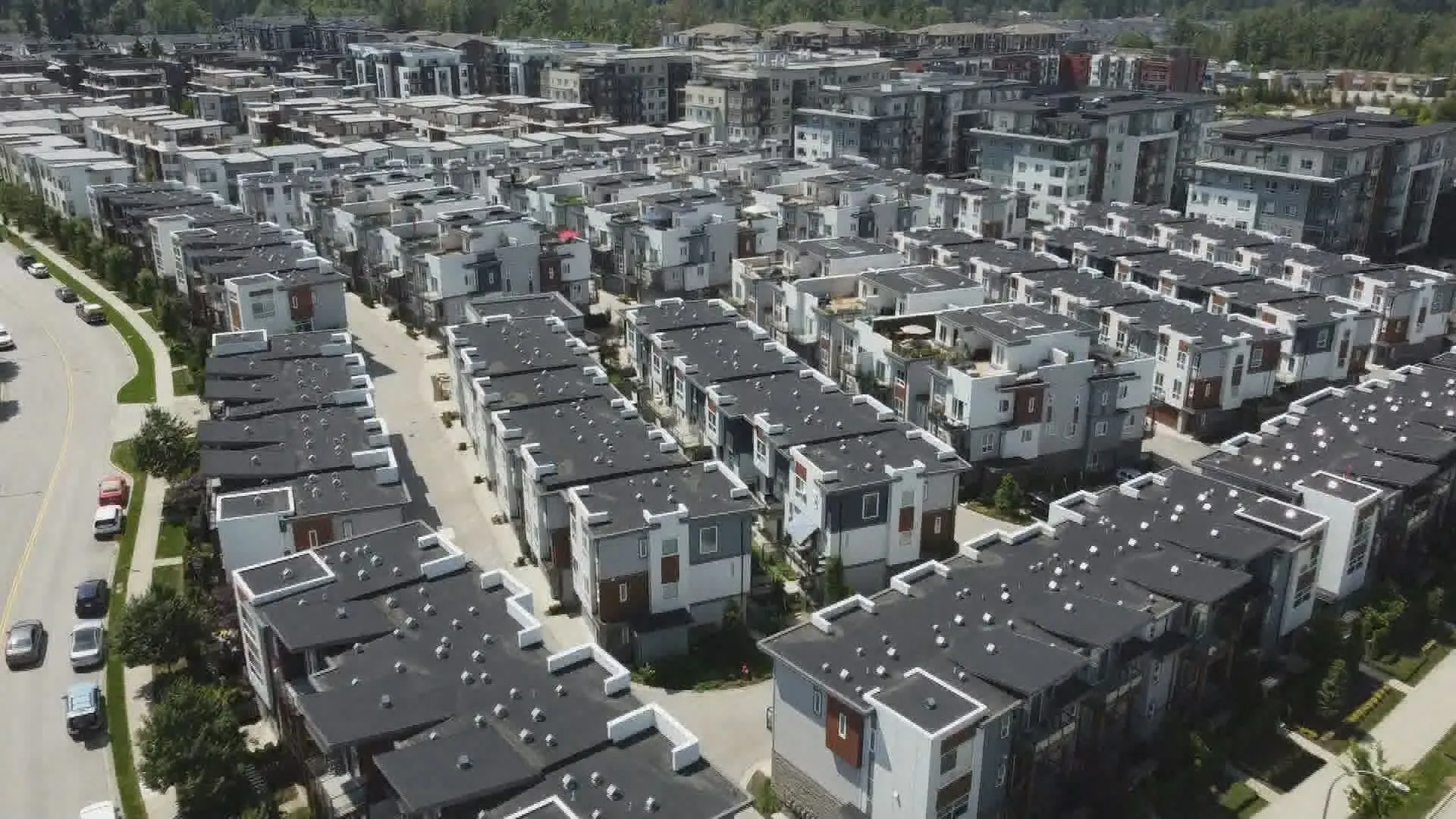
In Greater Vancouver, June saw 1,040 condo apartment sales, a 16.5 percent decrease from June 2024. This decline was steeper than that for detached houses (-5.3%) in the same period, while attached house sales actually saw an increase (3.7%).
Tough Choices and Uncertain Timing
For those determined to sell their condo, the market price is often set by the most motivated seller in the neighborhood, according to Dinani. Sellers who are flexible on price and committed to selling can still find buyers. However, those with fixed price expectations face difficulties.
Dinani advises sellers with rigid price targets to “hit the brakes and find alternatives.” This could involve staying in their current home long-term, renting it out if financially feasible, and revisiting the idea of selling later when conditions might improve.
Victor Tran labels it a “scary time” for individuals aiming to upgrade due to the inherent risks in selling their existing property, such as the potential for a lengthy sale process. While selling the current property before buying the next is generally safer, it introduces the risk of not finding a new home in time.
The critical question remains: when will the condo market bottom out and see a recovery? “No one knows,” Tran states. “I, personally, don’t think it’s going to be any time soon.”
What’s Next?
The outlook for the Canadian condo market, particularly in its largest urban centers, remains challenged by excess supply and muted demand. While other segments of the real estate market may see some stabilization or modest recovery, the condo sector appears set for a prolonged period of weakness. Condo owners looking to sell, especially those needing equity for an upgrade, will likely need to adjust expectations, explore alternatives like renting, or prepare for a potentially long wait until market conditions shift. Understanding these localized market dynamics is crucial for anyone navigating the complex Canadian real estate landscape.