Winnipeg is set to remove all downtown parking pay stations between July 2 and August 31, shifting payment solely to phone apps, calls, or online platforms. This move, aimed at significant cost savings, is raising concerns among downtown businesses about accessibility and potential negative impacts on efforts to attract people back to the core.
Contents
Key Takeaways:
- Winnipeg will eliminate all 250 street parking pay stations downtown.
- Payment will only be possible via phone app, toll-free number, or website.
- The city cites phasing out old technology and saving $1 million annually in operating costs.
- Downtown business groups express concern over potential customer inconvenience and the lack of a comprehensive parking strategy.
- Limited cash payment is still possible through pre-purchased vouchers, but accessibility is questioned.
The City’s Digital Shift for Parking Payments
The City of Winnipeg announced this week that it will decommission its network of 250 parking pay stations located downtown. The transition period will run from July 2 to August 31, after which drivers will no longer be able to pay for street parking directly at a machine using cash or card.
Going forward, users will be required to pay remotely using a mobile app, by calling a dedicated 1-888 number, or via a computer. This change eliminates physical payment options on the street. The city justifies the decision by stating the technology behind the existing meters is being phased out nationally. Replacing the current stations would cost an estimated $3.6 million, whereas removing them is expected to save the city $1 million in annual operating expenses.
Downtown Businesses Express Concern
The organization representing downtown merchants views this change with apprehension. Kate Fenske, CEO of Downtown Winnipeg BIZ, stated that the decision could hinder efforts to make the downtown area more accessible.
“This change doesn’t make it easier for people to come downtown,” Fenske commented, acknowledging the city’s financial and technical motivations but emphasizing the need for such decisions to be part of a broader parking strategy. She added that businesses would have appreciated more time to prepare for and navigate the impacts of this change on the downtown community.
 Kate Fenske, CEO of Downtown Winnipeg BIZ discusses concerns about removing parking meters in downtown Winnipeg
For customers who still prefer or need to pay with cash, the only remaining option is to pre-purchase parking vouchers. These vouchers will be available for purchase starting July 2 at the Parking Store on Portage Ave and at two 311 counter locations.
City Hall’s Viewpoint and Authority
Winnipeg Mayor Scott Gillingham indicated that the potential removal of parking meters had been discussed since 2018, when the city began reducing the number of pay stations. According to city data, approximately 80% of parking payments are already made through the app, with only 20% using cash or credit card at the stations.
The Mayor also noted that the Winnipeg Parking Authority has the mandate to implement this change without requiring consultation with businesses or city council. He framed the decision as a matter of “getting value for money for the people of Winnipeg” and improving “customer service,” aligning with the existing trend towards digital payment methods.
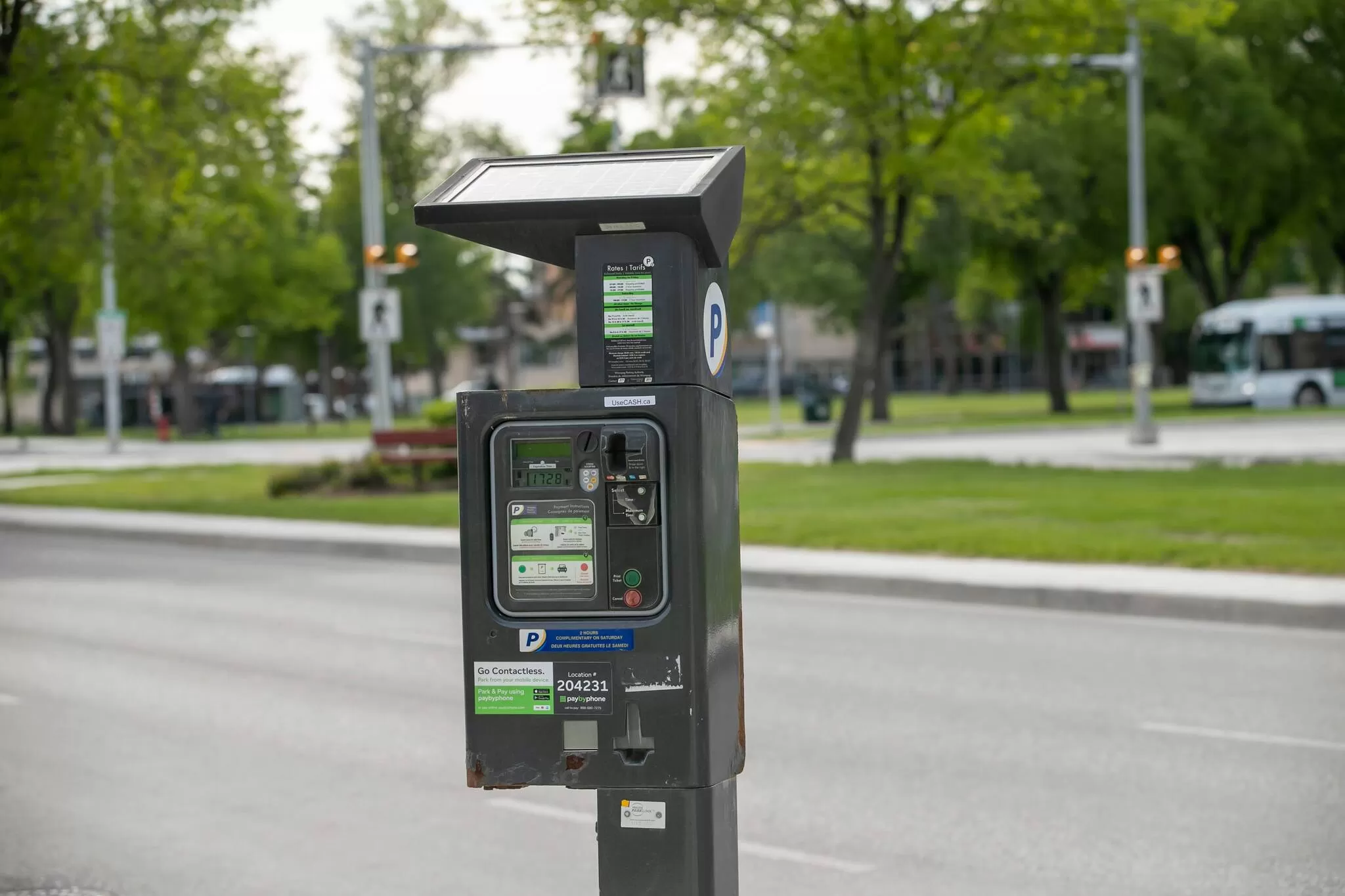 A row of Winnipeg parking pay stations scheduled for removal sit on a downtown street
David Pensato, Executive Director of the Exchange District BIZ, confirmed involvement in earlier discussions in 2018 where concerns about eliminating on-street cash/card options were raised, but they had not received further follow-up.
Business Owners Anticipate Challenges
Downtown business owners are contemplating the potential fallout from the change. At locations like Across the Board Game Café in the Exchange District, street parking is a convenient option for both customers and staff.
Asa Hamm, the kitchen manager at the café, anticipates resistance and pushback from some users. He expressed concern that the change might feel like a backward step in terms of convenience for certain demographics, questioning the rationale beyond simply changing for the sake of it. While not expecting a major dent in business, he noted that the impact would depend heavily on whether parking costs increase as a result of the shift.
Outlook: Accessibility Concerns and Future Pricing Models
The move has also highlighted accessibility issues, particularly for residents who may not be comfortable with or have access to smartphones or online payment methods. Inner-city councillors have voiced concerns about the lack of consultation and the potential obstacles created for visitors who rely on current payment methods.
Councillor Sherri Rollins (Fort Rouge-East Fort Garry) emphasized the need for dialogue before implementing changes that could inconvenience a significant portion of downtown visitors. Councillor Cindy Gilroy (Daniel McIntyre) pointed out that constituents who currently use the cash voucher system already find it difficult to access due to limited purchase locations and hours, and questioned the lack of a clear plan to distribute vouchers more widely before removing the stations.
Compounding concerns, there has been discussion about potential future implementation of surge pricing based on traffic or demand, a suggestion made by Councillor Evan Duncan (Chair of city council’s property and development council). While Mayor Gillingham stated he wasn’t opposed to the idea, he clarified that it is not part of the current discussions or a stated goal at this time.
Conclusion
Winnipeg’s transition to a fully digital street parking payment system downtown marks a significant shift driven by technological obsolescence and cost efficiency. While aligning with modern payment trends and potentially saving the city money, the move presents challenges for businesses and raises questions about accessibility for some users. The implementation timeline is set, and the focus now shifts to how businesses and residents will adapt, and whether the city will address concerns about accessibility and consultation as downtown continues its efforts towards revitalization.