Meta Platforms, the parent company of Facebook, has signed a major 20-year agreement with Constellation Energy to secure nuclear power. This long-term deal aims to meet the rapidly growing energy demands driven by Meta’s artificial intelligence (AI) initiatives and expanding data center needs. It’s a significant move highlighting how tech giants are strategically investing in stable, clean energy sources to power their future growth.
Contents
This agreement represents a notable partnership between a major tech company and the nuclear energy sector. It underscores the increasing pressure on Big Tech to find reliable, low-carbon energy solutions for their power-hungry operations, particularly as AI adoption accelerates.
Powering AI: Why Meta is Turning to Nuclear
The core driver behind Meta’s deal is the massive energy consumption associated with AI development and deployment. Training and running complex AI models requires immense computing power, which in turn, requires vast amounts of electricity. Data centers, the physical infrastructure housing these computers, are becoming significant energy consumers globally.
Meta’s head of global energy, Urvi Parekh, emphasized this need, stating that “Securing clean, reliable energy is necessary to continue advancing our AI ambitions.” As Meta invests heavily in AI technologies across its platforms, ensuring a stable and sustainable energy supply is critical for scaling these operations without interruption.
The Deal Details: Constellation’s Clinton Plant
The agreement specifically involves Constellation’s Clinton Clean Energy Center in Illinois. Under the terms of the 20-year deal, Meta will receive nuclear power directly from the facility. While financial specifics weren’t disclosed, the partnership will have a tangible impact on the plant and the local area.
Crucially, the agreement expands the Clinton plant’s clean energy output by 30 megawatts. This additional capacity is estimated to be enough to power a city of about 30,000 residents for a year. The deal also helps secure the plant’s future, taking effect in June 2027, coinciding with the expiration of a state zero-emission credit program that helped support the facility. The partnership is expected to preserve 1,100 local jobs and generate $13.5 million in annual tax revenue.
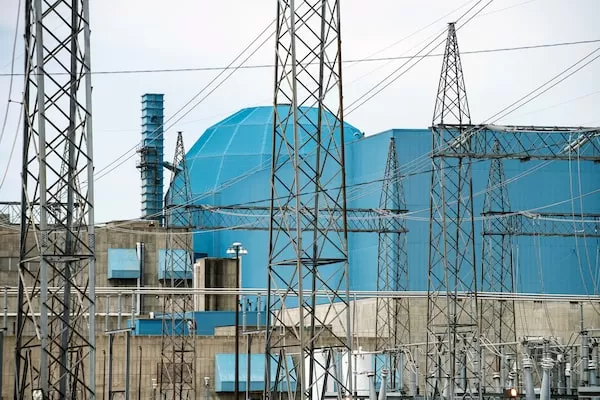 Exterior view of the Clinton Clean Energy Center nuclear power plant in Illinois, showcasing its structure and surrounding landscape, highlighting the facility Meta is partnering with for its energy needs.
This move provides Meta with a long-term source of carbon-free energy, aligning with its corporate sustainability goals. Nuclear power is attractive because it provides baseload power – a consistent, always-on source of electricity – unlike intermittent renewable sources like solar or wind. This reliability is vital for data centers requiring constant uptime.
- Related Reading: Learn more about the surge in data center construction and its energy demands.
- Check out: Data centres are popping up everywhere, but a jobs boom is unlikely
The Broader Trend: Big Tech’s Nuclear Push
Meta’s deal is not an isolated event; it’s part of a growing trend among major technology companies. As AI and data center requirements escalate, companies like Microsoft, Amazon, and Google are also exploring or investing in nuclear energy solutions.
- Last year, Microsoft announced plans to source power from a potential restart of Constellation’s Three Mile Island nuclear plant in Pennsylvania.
- Amazon announced investments in small nuclear reactors, following a similar move by Google.
- Google also recently invested in advanced nuclear energy projects with Elementl Power.
This collective push highlights a strategic shift. While tech companies have historically focused on purchasing renewable energy credits or investing in solar and wind farms, the sheer scale and reliability needs of AI and data centers are driving them toward more consistent power sources like nuclear.
- Related Reading: Explore the relationship between Big Tech and power utilities.
- Check out: Big Tech wants to plug data centres right into power plants. Utilities say it’s not fair
Outlook and Challenges for Nuclear Energy
The increased interest from Big Tech provides a significant boost to the nuclear energy industry, which has faced challenges including high costs, regulatory hurdles, and public perception issues. Policymakers in the U.S. are increasingly supportive, with many states passing legislation to support advanced nuclear energy and hundreds of related bills introduced at the federal level.
Advanced reactor designs, including Small Modular Reactors (SMRs), are seen as potential game-changers – smaller, potentially cheaper, and faster to build than traditional large reactors. These designs are moving through the regulatory pipeline.
However, significant challenges remain. Building new nuclear capacity is a complex and often lengthy process. The U.S. has seen only two new large reactors built in nearly 50 years, both experiencing significant delays and cost overruns. While the White House has ambitious goals for quadrupling nuclear production, achieving this within the next 25 years will require overcoming substantial construction, regulatory, and financial hurdles.
Despite the interest in nuclear, tech companies like Amazon, Google, and Microsoft also continue to invest heavily in traditional renewable energy technologies like solar and wind as part of a diversified clean energy strategy.
What’s Next?
Meta’s 20-year nuclear deal signals a clear long-term strategy to secure stable, clean power for its AI-driven future. It validates nuclear energy as a viable, albeit complex, part of the energy mix for high-demand industries like tech. Investors and industry observers should watch how this trend evolves, how regulatory processes adapt, and how quickly new nuclear capacity, particularly advanced designs, can come online to meet the ever-increasing power needs of the digital age.
To understand the full scope of Big Tech’s energy strategies and the future of nuclear power, explore our related coverage.