Proposed dedicated bus lanes on Toronto’s Bathurst Street are sparking a conflict between transit advocates aiming for faster commutes and local businesses concerned about customer access and parking. Adding a complex layer to the debate, a campaign opposing the lanes has utilized AI-generated videos, raising questions about modern advocacy tactics in local urban development disputes.
Contents
Key Takeaways:
- The RapidTO program proposes bus/streetcar lanes on Bathurst Street, eliminating 138 paid parking spots.
- Local businesses, under the “Protect Bathurst” banner, argue this will significantly hurt trade by limiting customer access and deliveries.
- The “Protect Bathurst” campaign used generic AI-generated stock footage in social media videos, seemingly repurposing content used for unrelated ads.
- The city and TTC argue priority lanes are crucial to speed up transit for over 35,000 daily riders on a route where buses average just 13 km/h.
- The proposal awaits public consultation feedback and city council approval.
The Proposed Transit Upgrade
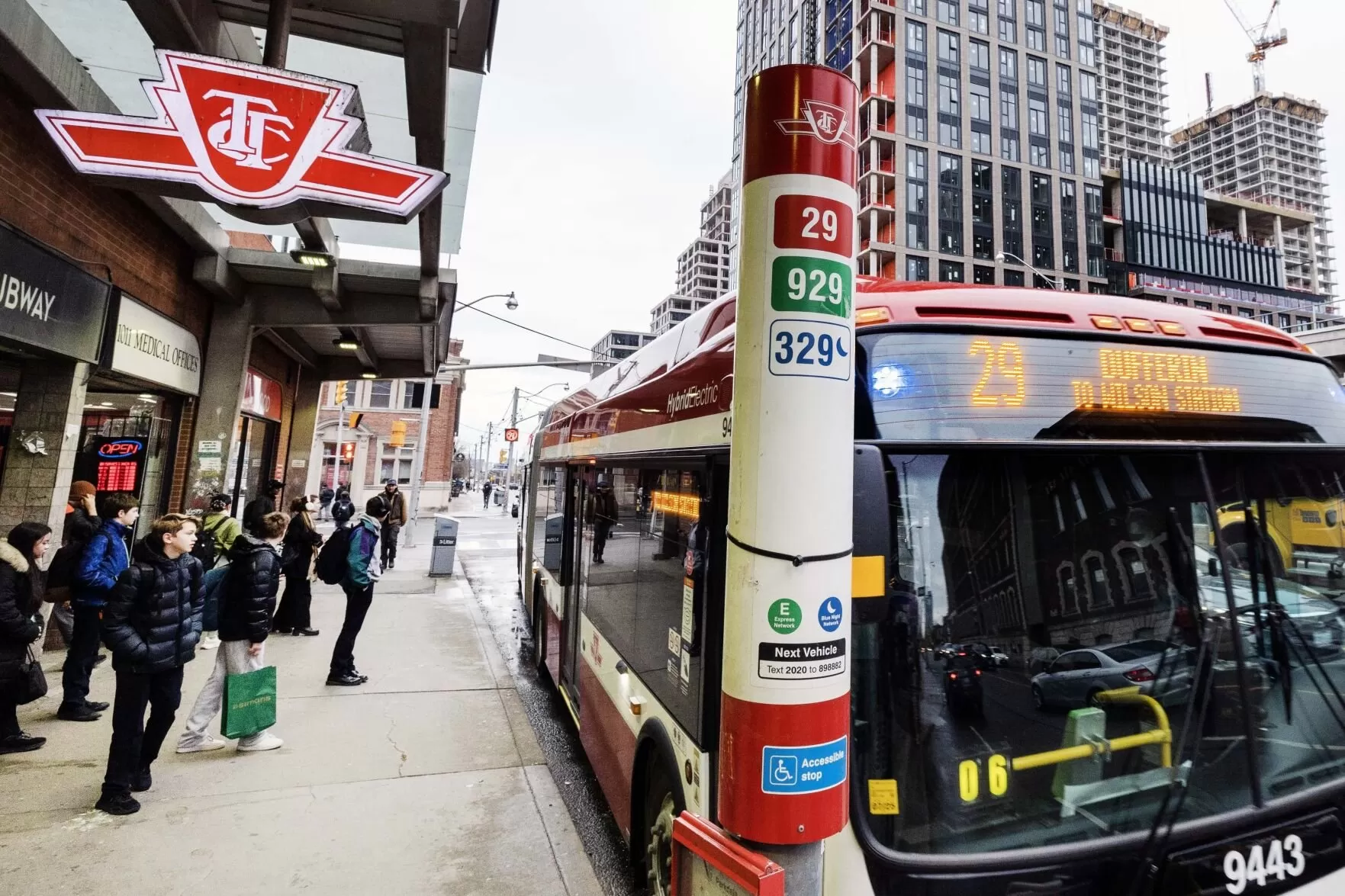
As part of its RapidTO program, the City of Toronto and the TTC are planning to expand dedicated transit priority lanes to key routes, including Bathurst Street (from Lake Shore Boulevard to Eglinton Avenue West) and Dufferin Street. The goal is to improve the reliability and speed of bus and streetcar service on congested corridors.
The Bathurst Street proposal specifically involves trading 138 paid parking spots along the street to create space for the priority lanes. While the TTC board has approved the concept, the final configuration could be adjusted based on public input gathered during recent consultations. City council approval is the necessary next step before implementation.
Why Businesses Are Concerned
Local businesses on Bathurst Street have voiced strong opposition to the plan, organizing under the “Protect Bathurst” campaign. Their primary concern centers on the elimination of paid parking spots and the potential impact on customer access.
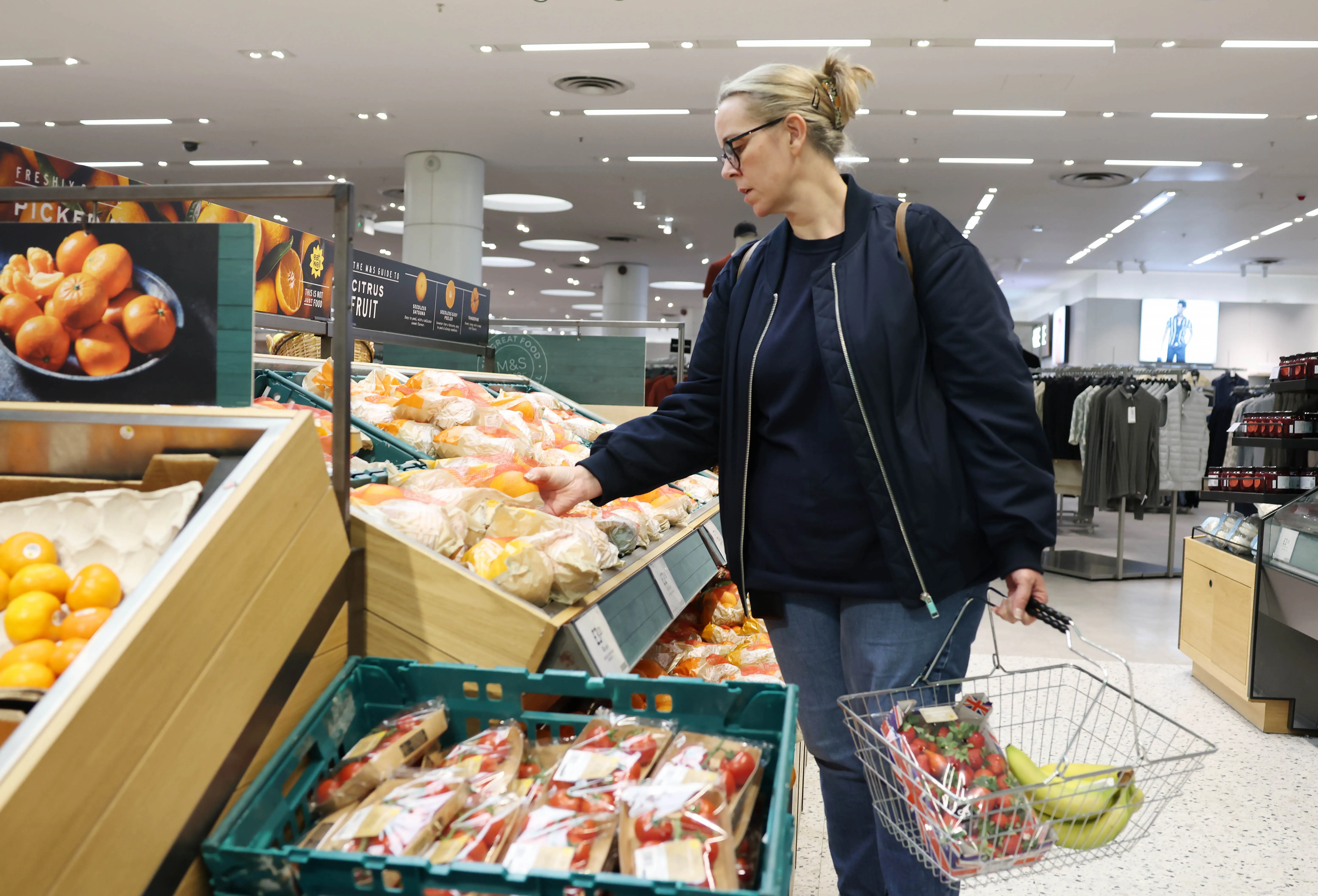
Brad McMullen, president of Summerhill Market, an independent grocery store with a Bathurst location, is involved in the “Protect Bathurst” initiative. He argues that the current proposal would significantly limit access for both customers and delivery vehicles. McMullen highlighted potential issues with accessing his store’s parking lot, half of which is owned by the market, due to the proposed lane configuration. He feels suggested alternatives haven’t addressed their specific operational needs.
The business argument emphasizes that reliance on car access remains significant for their customer base, particularly for businesses that require customers to transport goods. Reducing parking is seen as a direct threat to their livelihood.
 A streetscape showing cars and buses on a busy road in Toronto, representing the conflict over bus lanes and traffic.
The Role of AI in the Campaign
Adding an unusual element to the local transit debate, the “Protect Bathurst” campaign’s Instagram page has used AI-generated videos to promote its message. These videos feature individuals speaking about the negative impacts of bus lanes on local businesses, mimicking a grassroots feel.
However, investigations have revealed that the footage used in at least two of these campaign videos appears to be generic stock video generated by AI, which has been utilized in numerous unrelated online advertisements globally, promoting everything from financial products to fitness training. This suggests the campaign may not be using authentic local voices or visuals to represent its concerns.
While the “Protect Bathurst” website is linked to a food marketing consultant associated with Summerhill Market, Brad McMullen stated his business is not associated with the campaign’s Instagram page or the AI-generated videos, calling their usage “nothing to do with Summerhill Market.” The campaign website lists no specific spokesperson, similar in style to a “Protect Dufferin” group also opposing transit lane expansion. The use of generic, potentially misleading AI content in a local advocacy campaign highlights the evolving and sometimes opaque nature of online political messaging.
 A diagram or map illustrating the proposed routes for the RapidTO bus priority lanes on Bathurst Street, shown with designated zones.
The Case for Faster Transit
The city’s proposal is grounded in the need to improve public transit efficiency. Toronto faces significant traffic congestion, ranked eighth-worst in North America in a recent report. This gridlock directly impacts bus and streetcar speeds.
TTC data shows average bus speeds across the city have fallen in the past decade, and on Bathurst Street, transit is particularly slow, averaging just 13 km/h. This speed disparity makes transit trips significantly longer than driving for the more than 35,000 people who rely on the Bathurst bus or streetcar daily. The dedicated lanes aim to carve out a path for transit vehicles to move more quickly and reliably, encouraging transit use and reducing overall commute times for a large number of residents.
A diagram or map illustrating the proposed routes for the RapidTO bus priority lanes on Bathurst Street, shown with designated zones.
What’s Next
The debate over the Bathurst Street bus lanes underscores the complex challenge of balancing urban development, transit needs, and the health of local businesses. Public feedback from the recent consultations will be considered before the proposal goes before city council for a final decision.
The “Protect Bathurst” campaign continues to gather signatures on its online petition, exceeding 1,500. Meanwhile, some business owners are reportedly exploring legal avenues to potentially delay or alter the approval process. The outcome will likely depend on council’s assessment of the public consultation results, the economic arguments from businesses, and the broader goal of improving transit efficiency in a growing, congested city. The use of AI-generated content in the opposition campaign also adds a new dimension to how information and influence operate in local policy debates.
For more context on Toronto’s transit plans and traffic challenges, explore our related coverage.