Toronto Community Housing Corp. (TCHC) is adopting a new development model for its long-delayed Firgrove-Grassways revitalization project. Facing a challenging real estate market where traditional partnerships have faltered, the agency is pivoting to a phased, block-by-block approach to rebuild the northwest Toronto community. This shift comes after years of delays and sparse interest from developers under the previous plan, leaving former residents waiting.
Contents
Key takeaways:
- The Firgrove revitalization project in Toronto has been stalled due to poor market conditions.
- TCHC’s traditional model, relying on private builders and condo profits, received limited interest.
- The agency is now moving to a new, block-by-block strategy to make the project more feasible.
- Former residents are still waiting to return to the community.
The Firgrove Project: A Promise Delayed
The Firgrove-Grassways community, once a vibrant public housing complex, was home to families like Shannon Holness’s before the townhomes were deemed structurally unsound and residents were forced to relocate about seven years ago. The original complex was demolished with a promise of rebuilding a mixed-income community. A master plan was developed, outlining new public housing units, affordable rentals, market-priced units, a park, and community spaces, with zoning approved in 2022 for significant density increases.
Historically, TCHC has relied on partnerships with private developers for large-scale revitalizations, similar to the multi-decade effort in Regent Park. In this model, profits from market-rate condo sales helped fund the replacement of demolished affordable homes. However, the current development climate has proven challenging for this approach.
Last year, TCHC issued a call to builders for the Firgrove site, located near Jane Street and Finch Avenue. The response was underwhelming, with only five expressions of interest received. All proposals presented funding shortfalls requiring significant government subsidies and none fully met TCHC’s criteria, leading the agency to conclude that its traditional partnership model was not viable for Firgrove under current market conditions.
Market Headwinds Challenge Traditional Housing Development
The lack of developer interest in Firgrove is a direct consequence of the current real estate market slump in Toronto. A “hostile development climate,” characterized by plunging condo sales and prices, rising interest rates, and escalating construction costs, has slowed homebuilding significantly. This makes projects requiring substantial upfront investment and relying on market-rate profits less attractive or even financially unfeasible for private builders.
The traditional TCHC model’s reliance on cross-subsidization from market-rate units is particularly vulnerable in such an environment. Lower condo sales and prices mean less profit available to offset the cost of building affordable and public housing. Furthermore, the Firgrove site itself was perceived by some as having “low value,” potentially due to a lack of recent comparable developments in the immediate area that builders could use to gauge price points.
This contrasts sharply with the competitive bidding seen for earlier revitalization phases, such as the final stages of Regent Park, where major developers competed fiercely in a more favorable market, proposing significant social housing contributions and community benefits. The market shift highlighted the need for a different strategy at Firgrove.
TCHC’s New Strategy: Building Block by Block
Recognizing the limitations of the large-scale partnership model in the current market, TCHC is pivoting to a new, more flexible approach for Firgrove. Instead of seeking a single developer for the entire master plan, the agency plans to break the project into smaller pieces.
Under the new strategy, TCHC will issue Requests For Proposals (RFPs) for development one block or parcel at a time. Officials believe that offering smaller chunks of land will require less significant upfront investment and commitment from builders, potentially attracting a wider range of partners, including smaller private developers and non-profit organizations.
This phased approach also serves as a tactical move to “buy time.” By staggering the development of different parcels, TCHC hopes that later phases will coincide with a potential recovery in the housing market, making those portions of the project more economically viable for partners. The new model could also incorporate land leases, allowing non-profits with less capital to participate and helping keep public land under public control long-term.
Housing experts view this piecemeal approach as a sensible response to the radically changed market. While there’s urgency for displaced residents to return, waiting for potentially better market conditions for certain blocks could result in more favorable deals for TCHC, ensuring the project aligns better with social and financial priorities.
TCHC is now proceeding without a developer for the initial stages, focusing on hiring civil engineers and architects to design the subdivision layout and the first replacement public housing building. They are also finalizing costs for necessary infrastructure like roads. With increased discussion among elected officials about public builder models, TCHC is optimistic about securing the necessary funding and financing for the public housing components.
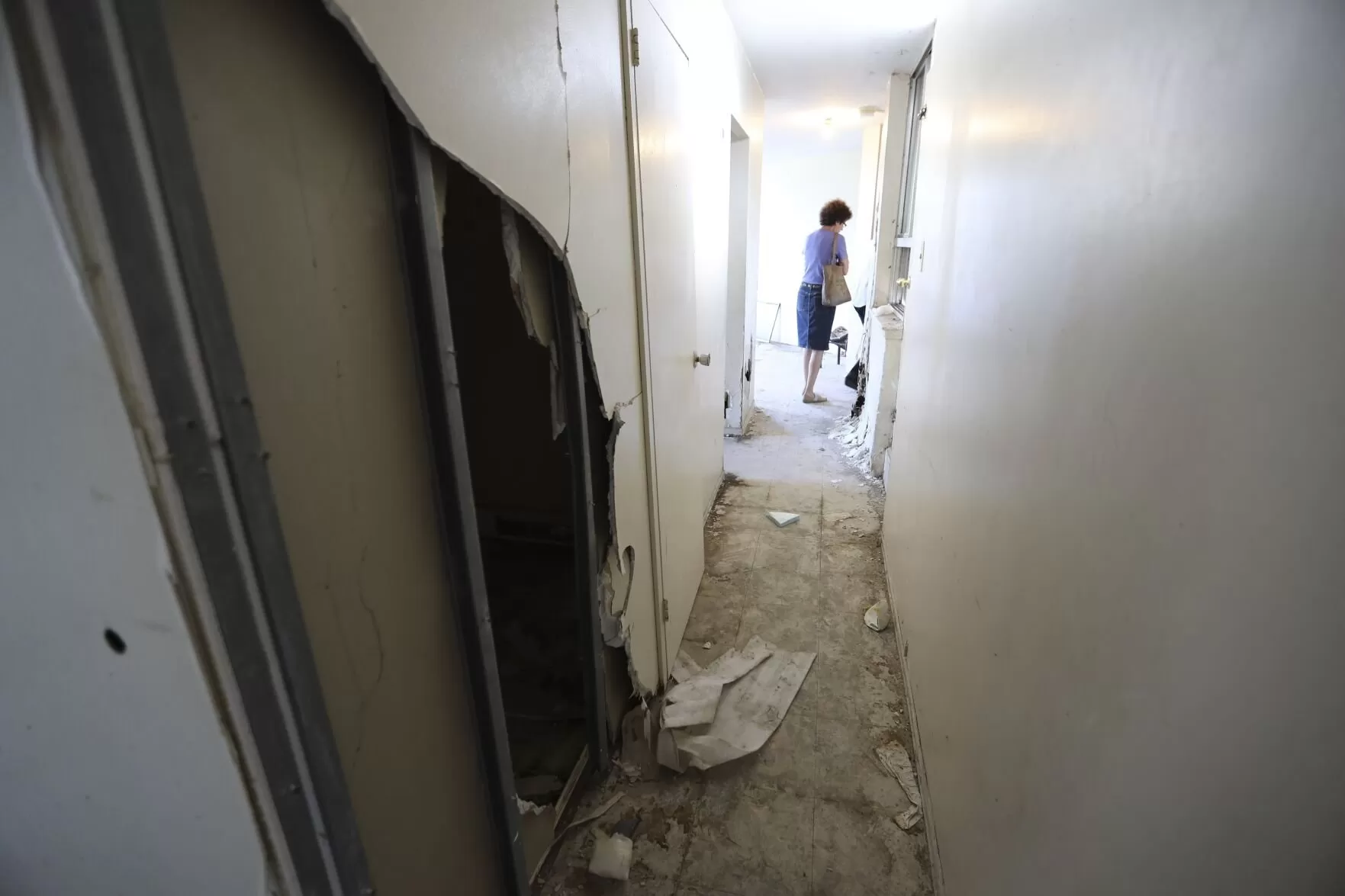 Boarded-up townhomes at the Firgrove public housing complex in Toronto, 2017, before demolition.
Outlook and What’s Next
If the initial planning stages proceed smoothly, TCHC hopes to be in a position to break ground on the first phase, likely involving replacement public housing, within the next 12 to 16 months.
However, the shift in strategy means the overall redevelopment timeline remains uncertain. Former residents, like Shannon Holness, are still waiting for the opportunity to return to their community. The process has been “a little slower than we’d initially anticipated,” notes Area Coun. Anthony Perruzza, who remains in touch with displaced families.
The transformation of Firgrove is seen as aligning with other significant public investments in the area, such as the Finch West LRT. Meanwhile, residents advocate for creative interim uses of the currently vacant land, suggesting possibilities like arts events or local economic activities.
The new block-by-block strategy represents TCHC’s adaptation to a difficult market, aiming to make a complex, large-scale revitalization achievable piece by piece. While it may mean a longer wait for the full vision to materialize, the agency hopes this flexible approach will ultimately deliver the promised mixed-income community, including crucial replacement public housing units, despite the current economic headwinds.
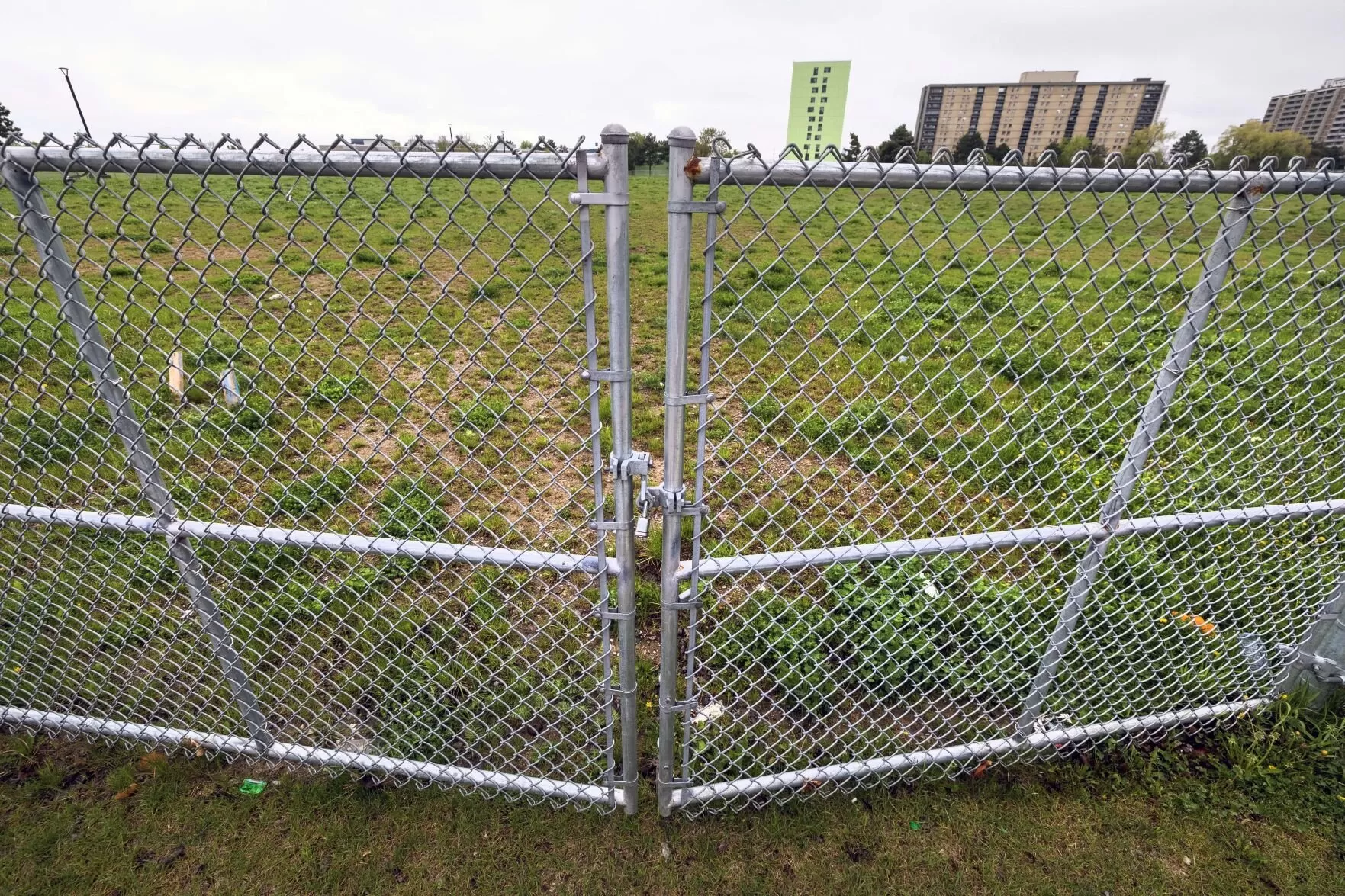 Vacant, fenced-in land at the former Firgrove public housing site in Toronto, awaiting redevelopment.
The success of this new model in navigating market volatility could serve as a blueprint for other public housing agencies facing similar challenges. It highlights a broader trend of public entities potentially taking on more direct roles in development to ensure housing projects, particularly affordable ones, move forward.
For more on Toronto’s housing challenges and development projects, explore our related articles.