Imagine making a video game that uses a pixel art slot machine for fun, with no real money involved. Now imagine that game almost getting banned from the world’s biggest mobile store because it has “gambling themes.” Sounds wild, right?
Contents
That’s exactly what happened to Luck Be A Landlord, a popular indie game. Its story highlights a bizarre inconsistency in how major app stores and game rating boards treat games that look like gambling versus games that let you spend real money on random virtual items – a mechanic many argue is much closer to the act of gambling itself.
This situation isn’t just unfair to small developers; it raises big questions about what we define as “gambling” in games, who profits from it, and how platforms protect players.
The Indie Game Problem: Caught in the Crossfire
Luck Be A Landlord is a game where you spin a slot machine to earn virtual coins to pay off an ever-increasing fictional rent. It’s a single purchase game ($4.99 on mobile), and the developer, Dan DiIorio, clearly states it contains no real-world currency gambling or microtransactions.
Yet, earlier this year, Google told DiIorio the game faced a global ban from the Google Play Store. The reason? It hadn’t properly disclosed its “gambling themes” in its age rating. This came after the game was already removed in several countries with strict gambling laws.
DiIorio found this incredibly frustrating. How could a game with fake money and satirical themes be flagged while apps promoting actual sports betting and digital casinos are readily available? The solo developer felt pressured to change the game’s rating disclosure to include “gambling themes” just to keep it on the store, fearing permanent removal.
This isn’t an isolated incident. The highly acclaimed game Balatro, which combines poker hands with deck-building, faced a similar issue in late 2024. Despite having no real-money gambling and winning numerous awards, European ratings board PEGI initially slapped it with an adult-only 18+ rating, citing “prominent gambling imagery.” Its publisher argued this was unfounded, especially as the US rating board (ESRB) gave it an E10+ with a simple “gambling themes” note.
Even games like Sunshine Shuffle, a poker game played with cute animal characters for no real money, have faced temporary bans on platforms like the Nintendo eShop. The pattern? Games that evoke the look or mechanic of traditional casino gambling, even without real financial stakes, are facing intense scrutiny.
 Classic Ms. Pac-Man arcade machine, representing the historical link between arcades and gambling fears.
A Blast from the Past: Pinball and the Original Ban
This isn’t the first time authorities have linked games and gambling. Back in the 1930s and ’40s, cities like New York banned pinball machines. Why? Because early pinball often involved less skill and sometimes paid out cash prizes, drawing comparisons to gambling devices. NYC Mayor Fiorello LaGuardia famously cracked down on them.
When video games arrived in arcades in the 1970s, they stood alongside pinball machines. Both took repeated small payments for short bursts of play. The association between arcades, and by extension, video games, and disreputable activities like gambling stuck around.
While studies generally show modern video games aren’t inherently dangerous in the way some feared, the practice of putting real money down to bet on an uncertain outcome—true gambling—carries significant risks, including addiction.
The Modern Money Machine: Gacha and Loot Boxes
Compare the struggles of Luck Be A Landlord and Balatro to the world of loot boxes and gacha games.
Loot boxes, popularized in games like Overwatch (though since removed there), let players spend money for a random chance at virtual items, often cosmetics. Games like Star Wars: Battlefront 2 faced backlash for making loot boxes potentially “pay-to-win.” Studies have found links between spending on loot boxes and problem gambling behaviors, particularly among young adults. Belgium even banned loot boxes requiring a gambling license, though enforcement seems spotty.
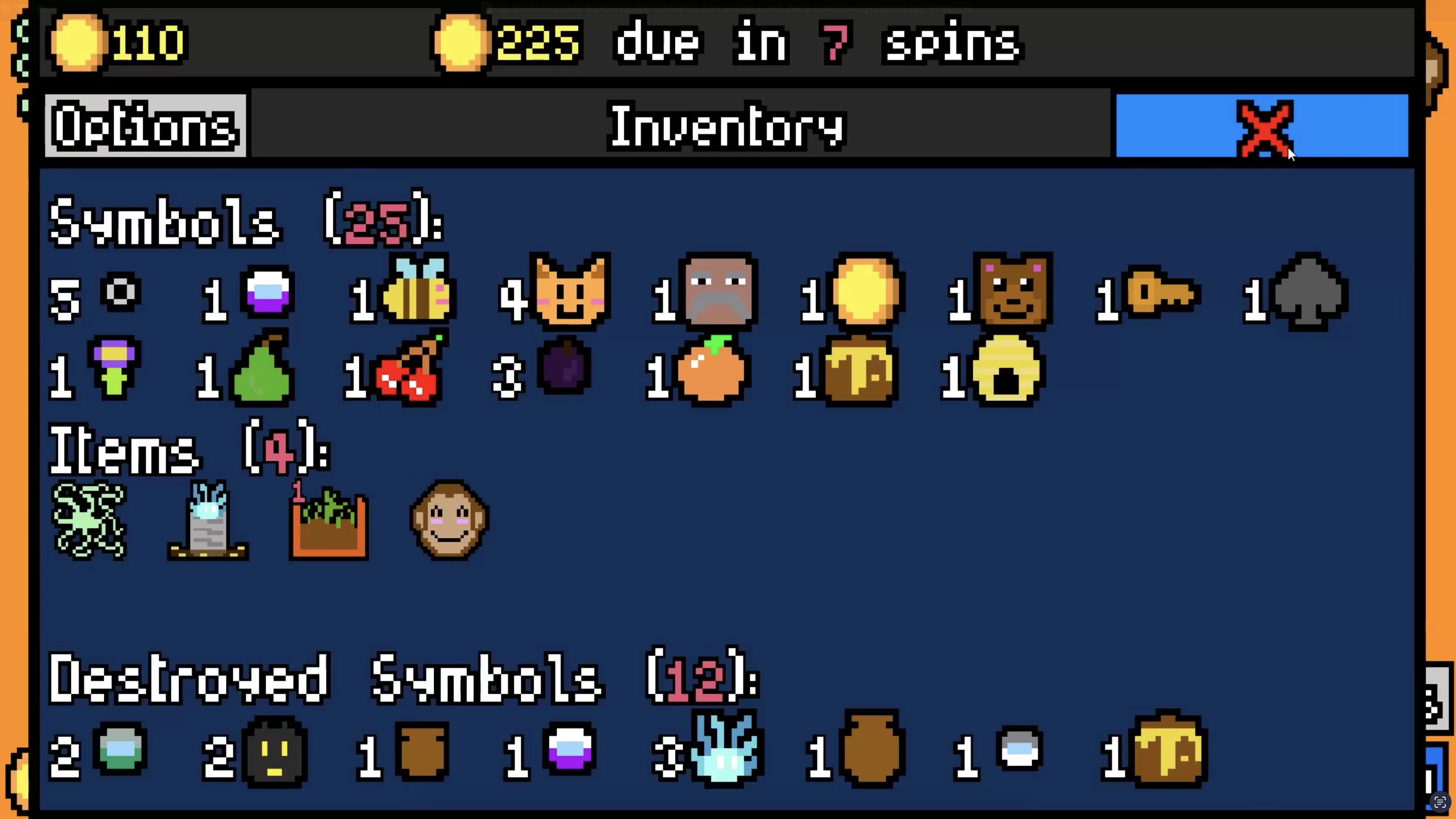 Screenshot of the indie game Luck Be A Landlord, showing its pixel art slot machine and game interface.
Even more prevalent today are gacha games, inspired by Japanese capsule toy machines. Players spend in-game currency (often bought with real money) for a random chance to “pull” a desirable character, weapon, or item. Games like MiHoYo’s Genshin Impact and Honkai: Star Rail, or Infold’s Infinity Nikki, are massive, high-budget free-to-play titles that rely heavily on gacha monetization.
These games generate staggering amounts of money. Genshin Impact alone can earn tens of millions of dollars per month on mobile platforms. Research suggests that players experiencing stress or anxiety are more likely to spend on gacha pulls, highlighting the potentially exploitative nature of these mechanics.
Regulations in some regions, like China, have pushed for more transparency, requiring developers to disclose odds and implement “pity” systems (guaranteeing a rare pull after a set number of tries). While this offers some certainty compared to a real slot machine, the core loop still involves spending money for a randomized reward.
 A man selecting a prize from a gachapon capsule machine, illustrating the concept behind gacha games.
The Baffling Double Standard
Here’s where the disconnect becomes glaring:
- Luck Be A Landlord and Balatro use simulated gambling aesthetics/mechanics with no real money involved and face high age ratings or ban threats for “gambling themes.”
- Genshin Impact, Honkai: Star Rail, Infinity Nikki, and many others use random rewards tied to real money spending (gacha/loot boxes) and often receive lower age ratings (like Teen or PEGI 12). While their ratings mention “in-game purchases” or “random items,” they aren’t broadly hit with 18+ gambling labels globally.
Why the difference? Follow the money.
App stores like Apple and Google take a cut (often 30%) of in-app purchases. Games generating millions monthly through gacha are immensely profitable for these platforms. One-time purchase games like Luck Be A Landlord or Balatro, which lack microtransactions, offer no such ongoing revenue stream for the stores.
There’s little financial incentive for the platforms to crack down on the mechanics that make them billions, even if those mechanics resemble gambling more closely in practice (spending real money for chance) than a pixel art slot machine using fake coins.
Furthermore, the definition of “gambling themes” itself is inconsistently applied. Is it the aesthetic (cards, slots)? The mechanic (random chance)? Or the involvement of real money? The current system seems to punish the aesthetic/mechanic in indie games while tolerating real-money random rewards in hugely profitable titles.
Some argue that even simulated gambling can normalize the activity and potentially lead young players to try the real thing later. This is a valid concern, akin to the historical debate around candy cigarettes. Appropriate labeling and education are important. But is an 18+ rating the right tool, especially when games involving actual spending on random outcomes receive lower ratings?
 Character Mizuki from the popular gacha game Genshin Impact, highlighting the appeal of collectible characters.
The System Feels Broken
The stories of Luck Be A Landlord and Balatro highlight a significant problem. Indie developers are being penalized by opaque, seemingly automated systems for including simulated gambling elements in their games, while the app stores happily profit from games that encourage spending real money on random, potentially addictive systems.
This lack of consistency harms developers, stifles creative exploration of game mechanics, and leaves players confused about what constitutes risky behavior in digital spaces. Meanwhile, the platforms that host these games, particularly those with lucrative gacha systems, continue to benefit immensely.
Until app stores, ratings boards, and potentially regulators establish clear, consistent, and fair policies based on the actual risk to consumers (especially concerning real money spent on random outcomes), the current situation feels like the ultimate casino paradox: regardless of whether you’re playing with fake coins or spending real cash, the house—in this case, the platforms and big publishers—seems designed to always win.