Apple’s annual Worldwide Developer Conference (WWDC) just wrapped up, bringing a wave of announcements for the future of iPhone, Mac, and iPad. This year’s event had a big focus on addressing questions around Artificial Intelligence (AI), while also rolling out exciting new features for iOS 26, macOS 26, and iPadOS 26. Get ready to hear about Apple’s AI strategy, creative new ways to express yourself, and some handy upgrades for your everyday tech.
Contents
Here’s a quick look at the key takeaways: Apple explained why some expected AI features aren’t here yet, revealed fun new creative tools in iOS 26, added practical features like live translation to macOS 26, and boosted the iPad’s multitasking powers with iPadOS 26.
Apple’s Strategy for AI
One of the most anticipated parts of any Apple event is what they’ll do with AI, or “Apple Intelligence” as they call it. Following last year’s hints, many expected major generative AI capabilities to arrive now. However, Apple executives, like software engineering lead Craig Federighi, explained why some features weren’t launching just yet. While they had promising early results for on-device automation, they felt the technology wasn’t quite ‘Apple-quality’ reliable and dependable yet. Think of it like this: Apple wanted to make sure AI features work smoothly and consistently on your device before releasing them widely. This means some advanced AI tools might take a little longer to arrive, but Apple seems focused on getting the experience right when they do arrive.
 Apple Senior VP Craig Federighi speaks on stage at WWDC 2025, discussing new software features.
Exciting Features in iOS 26
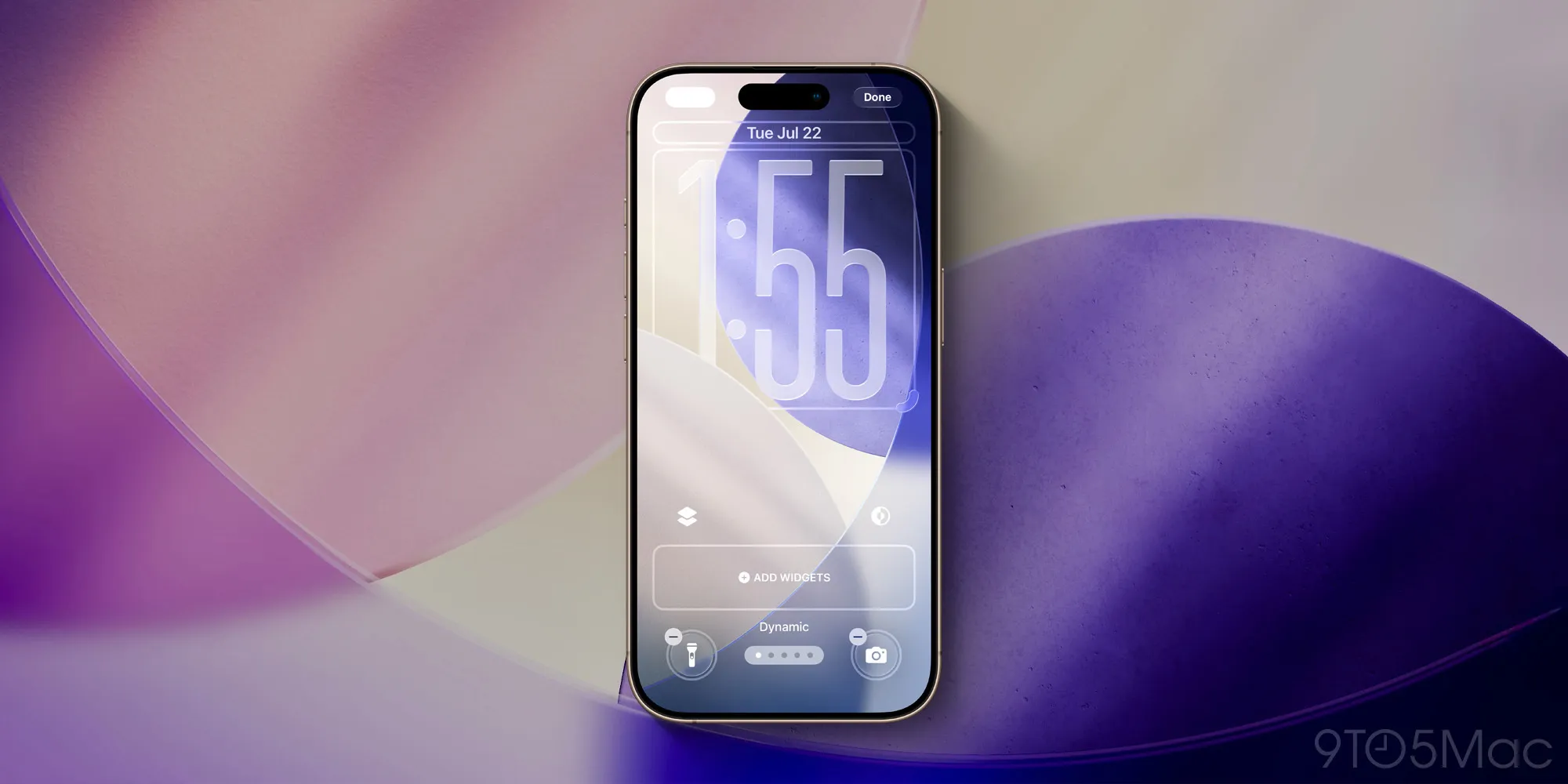
Even without a full suite of generative AI features from day one, iOS 26 for iPhone packs in plenty of new tricks. While maybe not the “over 200 new features” of years past, there’s a solid collection focused on creativity and practical use. A fun highlight is the expansion of image and emoji tools thanks to some ‘Apple Intelligence’ under the hood. You’ll see new ‘Genmoji’ – which lets you mix emojis together or describe a concept to create unique, custom characters – and ‘Image Playground’ features that allow you to generate images based on text prompts and then customize them with styles like anime, oil painting, or watercolor effects. This taps into AI to help you get creative right on your phone in new ways.
It’s worth noting that some other features introduced, like more granular control over podcast playback speeds, are things third-party apps have offered for a while. This is a classic Apple move sometimes called “Sherlocking,” where Apple integrates features previously exclusive to third-party developers into its own platform.
macOS 26 and Useful Enhancements
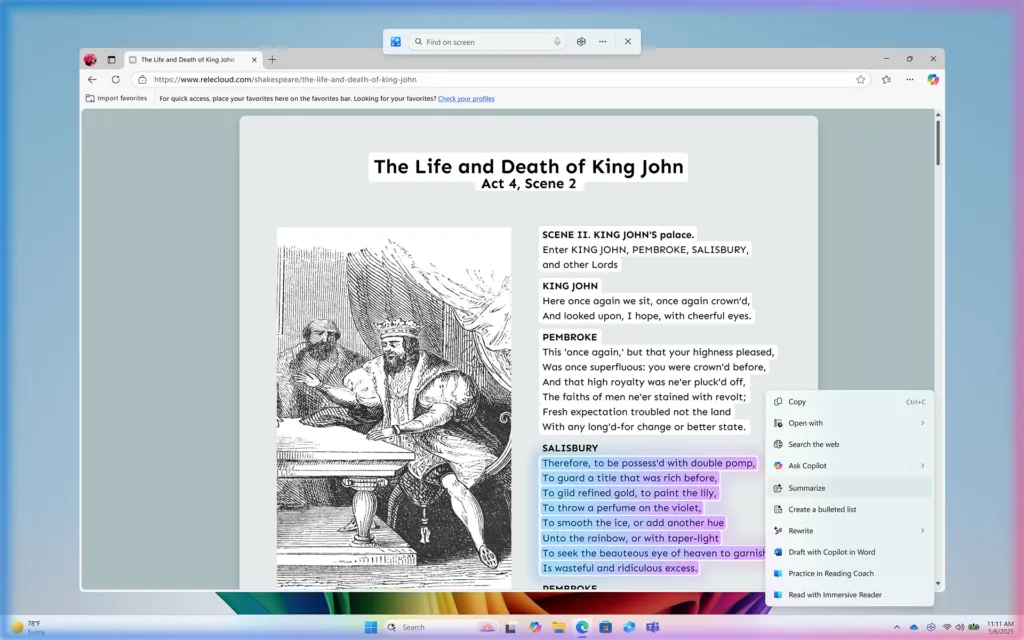
Your Mac is also getting smarter and more capable with macOS 26, codenamed ‘Tahoe’. Expect useful ‘Apple Intelligence’ features here too, especially around communication and productivity. One cool addition is live language translation built right into the Messages app, allowing you to understand and respond to chats in different languages automatically. FaceTime video calls also gain live translated captions, making conversations with speakers of other languages much easier to follow in real-time. These features are designed to break down language barriers in your daily digital interactions.
On a lighter, but perhaps more jarring note for Mac veterans, Apple also made a small visual tweak by flipping the colors on the classic Finder icon (that smiling face you use to manage files). What was once blue on the left and white on the right is now reversed – a minor change that nonetheless grabbed the attention of long-time users!
iPadOS 26 Pushes Multitasking
For the iPad, iPadOS 26 continues Apple’s push to make the tablet feel more like a desktop computer, especially when it comes to juggling multiple apps. Apple highlighted significant improvements to ‘Stage Manager’, their system for managing multiple app windows on screen. The goal, as explained by Apple’s software chief, was to create a more consistent and reliable experience for users who want to work with several windows open simultaneously. This means you can expect smoother performance and better window handling when using your iPad with multiple apps, particularly when connected to an external display, where the system is designed to reliably handle a set number of apps running at once across both screens. The takeaway? Using several apps side-by-side on your iPad, especially with an external monitor, should feel more robust and predictable, inching the iPad closer to a traditional computer setup for many tasks.
What It All Means
So, what’s the big picture from WWDC 2025? While some expected major AI breakthroughs delivered immediately, Apple instead focused on explaining their careful approach to “Apple Intelligence” and rolled out a range of practical, useful updates across iOS 26, macOS 26, and iPadOS 26. From fun creative tools like Genmoji to serious productivity boosts like live translations and improved iPad multitasking, these changes aim to make your existing Apple devices better for everyday use right now, while laying foundational work for more advanced AI features in the future. It seems Apple is prioritizing polish, stability, and immediate user benefit this year, setting the stage for what’s next without over-promising.
To dive deeper into any of these updates, check out our other articles covering the specific features of iOS 26, macOS 26 Tahoe, and iPadOS 26 multitasking.