Dropping serious cash on cycling kit can feel like a big decision, especially when you’re looking at high-end brands like Assos. They’re known for their top-tier performance gear, and their latest S11 collection for road cycling splits into different levels: RS and R. But when you compare the Equipe RS Schtradivari S11 (their top race bib) and the Equipe R S11 (the next level down), the difference might be smaller than the price tag suggests. This breakdown helps you understand what sets them apart and which pair offers the best value for your riding.
Contents
Right out of the box, trying on both bibs feels almost identical – the materials and fit are remarkably similar. The real differences lie in the subtle, highly engineered details developed through intense research and testing, especially concerning aerodynamics and targeted comfort over many hours in the saddle.
Assos’ Performance Levels Explained: RS, R, and the Niche RSR
Launched in early 2024, the S11 line continues Assos’ pattern of naming their road performance generations with odd numbers (S9, S7, etc.). Within this line, they offer different tiers tailored to specific rider needs.
Think of it like Shimano’s component groupsets. The RS level (Equipe RS Schtradivari S11) is Assos’ “Dura-Ace” – their flagship road racing gear. The R level (Equipe R S11) is the “Ultegra” – offering nearly identical performance for most riders, but with a noticeable price difference.
Beyond these, there’s the RSR level. This is the truly niche, “other planet” gear, according to Assos. It uses even more advanced materials and technologies, like woven fabrics (compared to knit in RS/R) for higher compression and faster drying. However, these materials can have trade-offs, like being less breathable. RSR is primarily for elite racers seeking marginal gains, and for most everyday riders or even dedicated amateurs, the RS or R features are usually a better match for comfort and versatility.
 Assos Equipe R S11 back bottom detail
Shared DNA: What RS and R S11 Have in Common
Despite the price gap, the RS and R S11 bib shorts share some crucial technology that ensures a high level of performance across both.
Both bibs use Assos’ proprietary Type.911 textile for the main body. This fabric isn’t just about comfortable compression; it’s engineered for serious durability, designed to last between 10,000 and 20,000 km, depending on riding conditions (rain and gravel are tougher on fabric than dry, smooth roads). This focus on longevity is a key part of the Assos value proposition.
The bib straps are another shared feature. Both the front and back straps use the same design and materials. This new strap system, combined with the compressive Type.911 fabric, allowed Assos to ditch the “rollBar” feature found on previous generations and some other Assos models (like endurance shorts). The rollBar was a clever design where the rear straps attached lower down to keep the chamois stable. The new S11 design achieves the same crucial chamois stability with a more conventional-looking strap attachment point higher up. This is important because a stable chamois prevents discomfort and fatigue on long rides. It also freed up space on the lower back, which is valuable real estate for team logos on pro kits.
Both bibs also feature the “goldenGate” technology in their inserts. This means the chamois isn’t fully stitched to the shorts around the edges. It’s only attached at the front and back, allowing the insert to move more independently with your body as you shift position on the bike. This freedom of movement helps reduce friction and increase comfort.
 Assos goldenGate insert technology
The Subtle Differences: Where RS Justifies the Price
While the core experience is similar, the RS S11 bibs incorporate refinements that cater specifically to the demands of high-performance racing, where marginal gains matter.
One key difference is visible on the side panel. The Equipe R S11 has a smooth, continuous panel. The Equipe RS S11, however, has an extra seam around the hip area. While a smooth panel might seem more refined visually when standing, Assos’ research shows that the seam on the RS prevents the material from bunching slightly at the hip when you are in a low, aggressive riding position on the bike. This seam is directly linked to the aerodynamic work done with pro teams like Tudor Pro Cycling, seen on their speedsuits. Even a small wrinkle can impact airflow at high speeds.
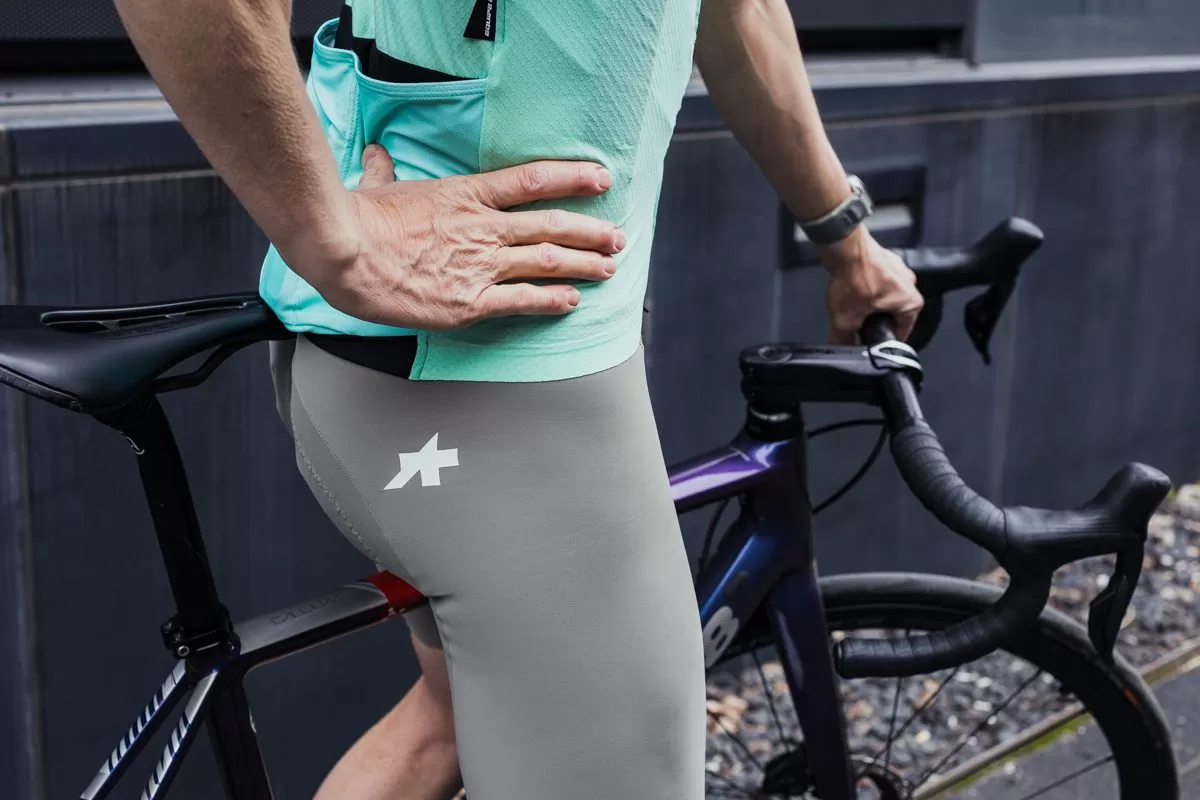 Assos Equipe R S11 smooth side panel
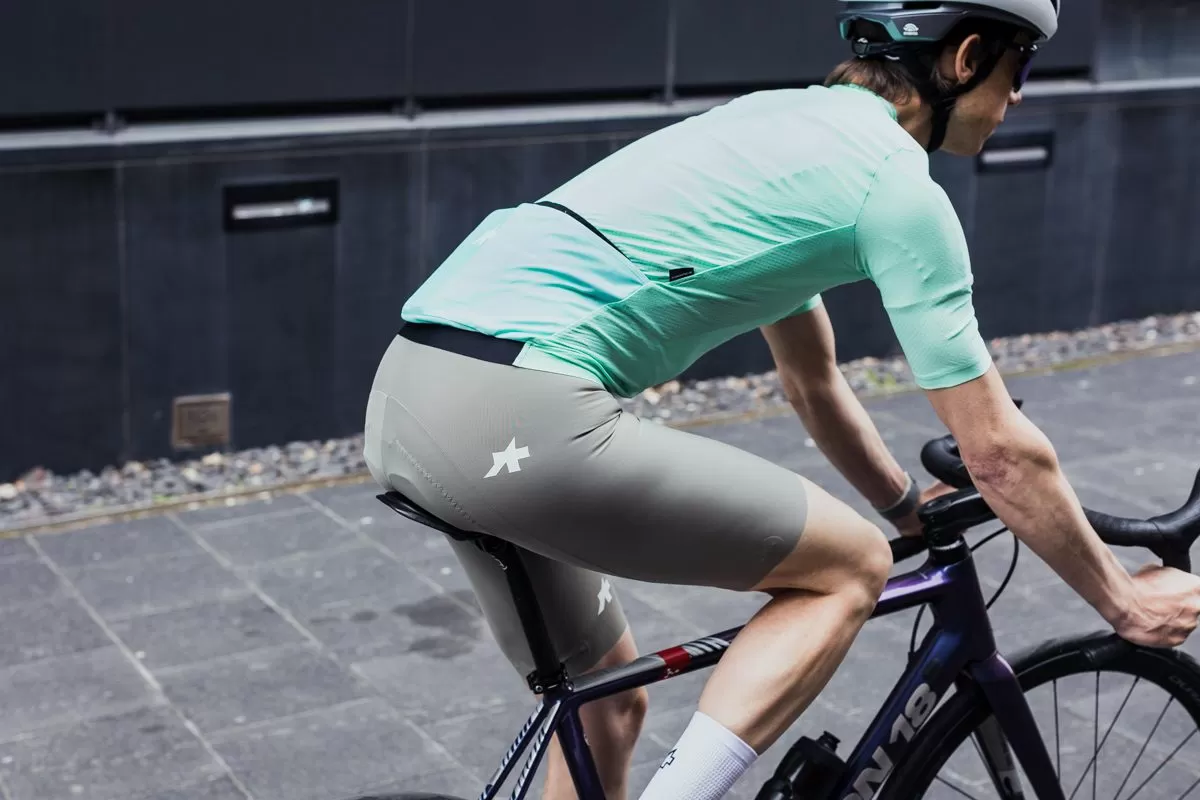 Assos Equipe R S11 hip bunching
The most significant differences lie within the insert itself. Both R and RS inserts are 9mm thick and offer excellent support with multiple layers. However, the RS insert has strategically placed perforations (holes) that are absent in the R. Creating holes in a complex foam structure adds significant manufacturing complexity and cost.
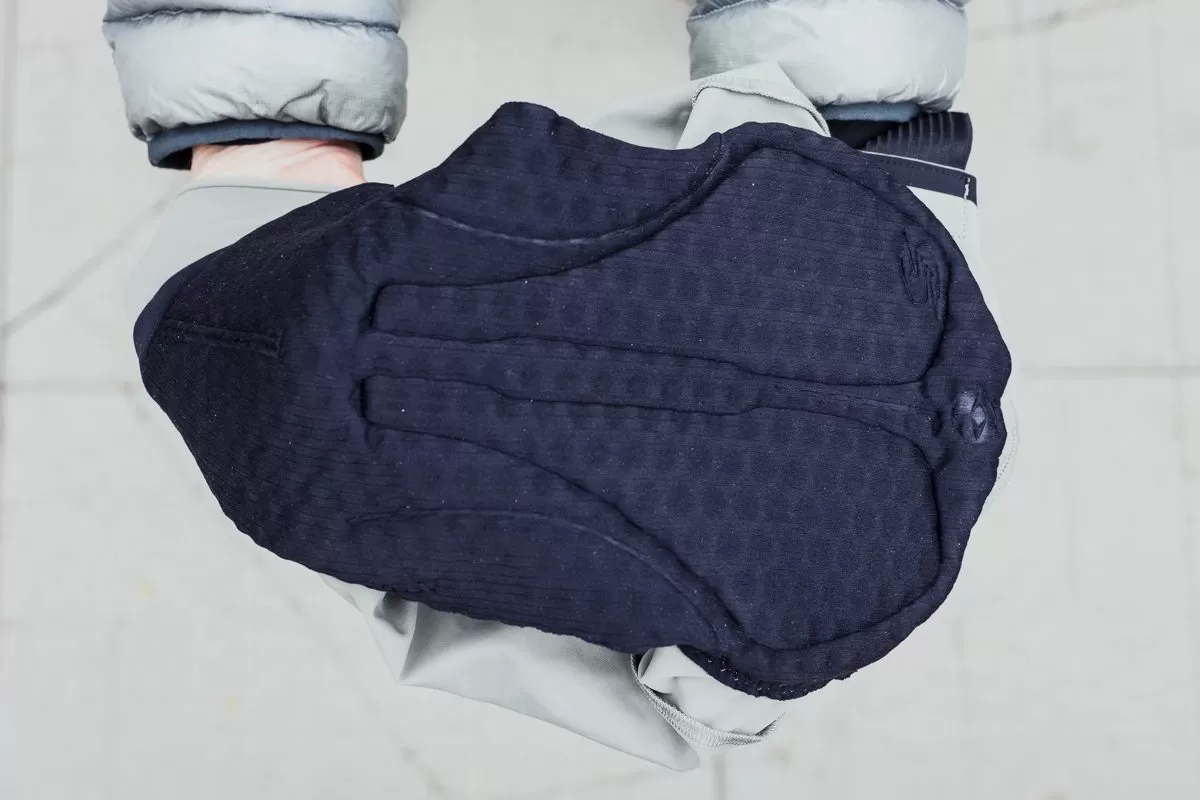 Assos Equipe R S11 insert
These holes in the RS insert serve two main purposes: enhanced cooling and targeted support. The perforations, especially towards the front, improve airflow and moisture evaporation, leading to better comfort in hotter conditions. Assos also spent extensive time researching the ideal placement of holes in the lower layer, specifically targeting the area around the sit bones (ischial bones), which bear significant weight. This targeted support, refined over many testing hours, helps accommodate the varied anatomy of different riders and further boosts comfort on very long rides. While the effects of the sit-bone holes are more subtle than the front perforations, they represent a significant R&D investment.
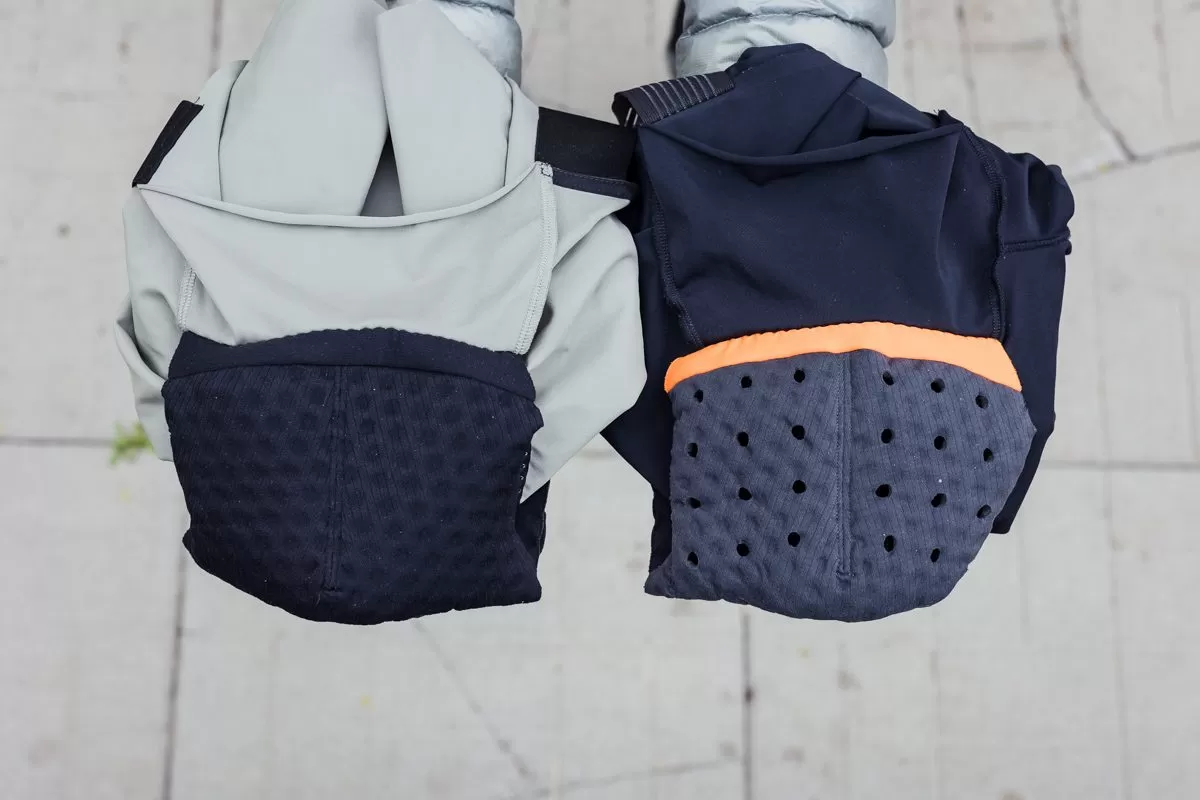 Assos S11 RS and R inserts side-by-side
Pricing Explained
Here’s the straightforward difference:
- Assos Equipe R S11 bib shorts: $280
- Assos Equipe RS Schtradivari S11 bib shorts: $360
- Assos RSR S11 bib shorts: $520
That’s an $80 difference between the R and RS, and a significant jump to the RSR.
A Quick Look at the Equipe R S11 Jersey
Alongside the R bibs, the Equipe R S11 jersey is also part of the lineup. It offers a race-oriented, snug fit and features like ‘lids’ on the pockets to keep your ride essentials secure. While I haven’t tested the top-tier RS jersey, Assos states that, unlike the bibs, the RS and R jerseys do use different materials, with the RS employing more advanced fabrics.
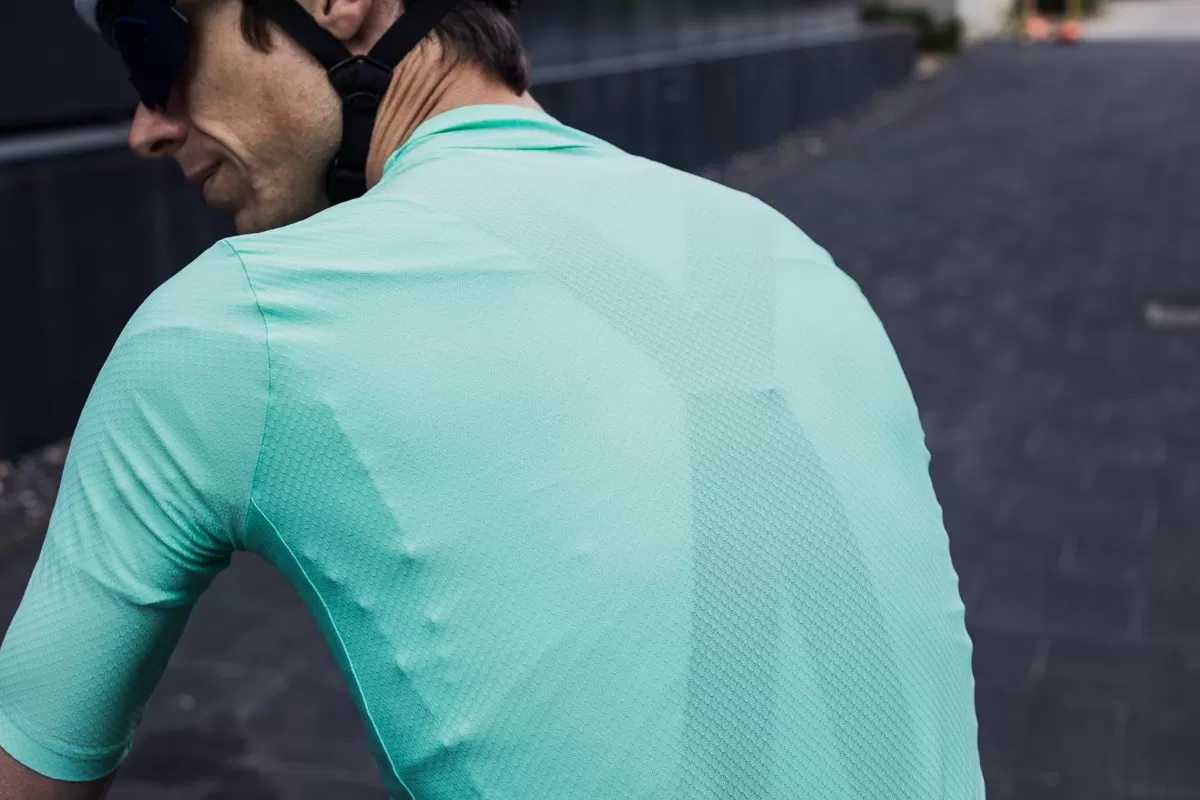 Assos Equipe R S11 jersey detail
So, Which Assos S11 Bib Short Should You Choose?
Returning to the initial test – did I notice a difference on the road? In pleasant conditions over back-to-back long rides, the answer was largely no. Both bibs provided exceptional support and comfort mile after mile.
The core performance – the durable, compressive Type.911 fabric, the stable goldenGate insert, the comfortable straps – is shared. The RS offers refinements primarily aimed at high-speed aerodynamics (the hip seam) and potentially better cooling/targeted comfort in very hot conditions (the insert perforations).
Think of it like our Shimano analogy again: both Ultegra and Dura-Ace offer flawless shifting for almost everyone. Dura-Ace gives you a slight weight saving and maybe a touch more crispness at a higher price, appealing to those chasing every advantage. Similarly, the Assos R S11 gives you 95% of the RS S11’s core performance and comfort. The RS gives you that extra 5% in aerodynamics and potential extreme-condition comfort, but you pay a premium for the extensive R&D behind those subtle features.
For most cyclists, even those who ride long distances regularly or dabble in racing, the Assos Equipe R S11 bib shorts offer outstanding comfort, durability, and a race-ready fit that is incredibly close to the top-tier RS. It’s an excellent entry point into Assos’ performance cycling clothing and a pair you’ll be happy to ride in all season long. Unless you’re racing at a high level where every fraction of a watt counts or routinely riding in scorching temperatures where maximum cooling is paramount, the R S11 provides incredible performance for the price.