Scientists in Europe have achieved a significant breakthrough: testing a combination of two existing drugs in mice that not only extended their lives by nearly a third but also kept them healthier for longer. This research offers exciting possibilities for the future of aging and health.
Contents
The study found that combining the drugs rapamycin and trametinib led to a remarkable increase in both average and maximum lifespan in mice, alongside clear signs of improved health as they aged, such as less inflammation and delayed cancer growth. While this doesn’t mean a magic pill for human immortality is coming soon, the findings highlight a potential path toward helping people live healthier, more vibrant lives well into old age.
Unpacking the Anti-Aging Cocktail
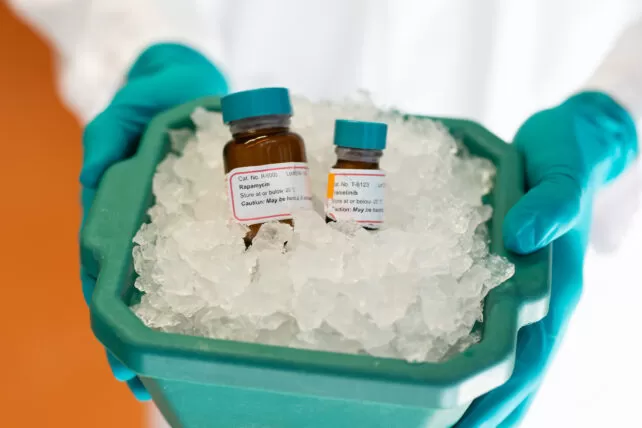
The stars of this study are two drugs you might have heard of in other contexts: rapamycin and trametinib.
- Rapamycin: Already used to prevent organ rejection after transplants and sometimes in cancer treatment. It’s also been explored for its potential to extend lifespan in various animal studies.
- Trametinib: Primarily used to treat certain types of cancer. It had previously shown lifespan-extending effects in fruit flies, but its impact on larger animals like mice was less known.
The researchers, led by a team from the Max Planck Institute in Germany, set out to see how each drug performed individually and, crucially, how they worked together in mice.
What the Study Found
The results were compelling. When given alone, rapamycin increased mouse lifespan by 17-18 percent, and trametinib by 7-16 percent. But the real excitement came from the combination therapy: mice treated with both drugs saw their lifespans jump by an impressive 26 to 35 percent.
 Mice lifespan extended by combination drug therapy
This wasn’t just adding years; it was adding healthy years. The treated mice showed delayed growth of liver and spleen tumors and reduced age-related inflammation in key organs like the brain, kidneys, spleen, and muscles. They also seemed more active at older ages, maintained lower body weight, and experienced a slower decline in heart function compared to mice that didn’t receive the treatment.
To test this, scientists gave hundreds of mice regular doses of the drugs (alone or combined) starting at six months old, monitoring their survival and health over time. The benefits were seen for both male and female mice, with slightly higher increases in lifespan observed in females.
How the Drug Combo Works
Why is the combination more effective than either drug alone? The researchers suggest it’s not simply about giving a higher dose. Both drugs affect the same underlying cellular network involved in growth and aging (called the Ras/Insulin/TOR pathway), but they target different points within it. Analyzing gene activity showed unique changes occurring only when both drugs were administered together, suggesting they work in complementary ways.
Importantly, the study found no new or unexpected side effects when combining the drugs, beyond those already known for each drug individually.
What This Means for Humans
It’s natural to wonder if this means we’ll all be living to 130 soon by taking these pills. The researchers are quick to temper those expectations. While a similar dramatic lifespan extension in humans isn’t anticipated, the most exciting potential lies in improving the quality of our later years – often referred to as extending “healthspan.”
“We hope that the drugs we’re investigating could help people to stay healthy and disease-free for longer late in life,” explains geneticist Linda Partridge, a co-senior author of the study. Future research in humans will be crucial to understand exactly how these drugs might benefit us and who could receive the most benefit.
The good news is that human trials could potentially start relatively soon. Both rapamycin and trametinib are already approved for use in humans in the US and European Union for other conditions. Previous studies have already hinted at anti-aging benefits; for example, rapamycin has shown promise in potentially extending fertility in perimenopausal women in one recent study.
This study, published in the journal Nature Aging, represents a significant step forward in understanding how we might be able to intervene in the aging process not just to live longer, but to live better, healthier lives.