Super Smash Bros. has grown from a quirky fighting game into a global phenomenon, building massive communities and competitive scenes. This past weekend, gamers in Manitoba gathered for Strikezone 3, a local tournament showcasing the enduring appeal and competitive spirit of the series, alongside Mario Kart. This event highlights how local gaming tournaments offer a welcoming space for players of all skill levels to connect, compete, and improve.
Contents
Back in 1999, while consoles like the Sega Dreamcast and soon-to-be PlayStation 2 were pushing graphics and features, Nintendo dropped something different on the aging Nintendo 64: Super Smash Bros. Instead of complex fighting mechanics, it offered chaotic fun with beloved characters like Mario and Pikachu squaring off. This unique concept exploded in popularity, spawning a franchise that’s now sold over 69 million copies worldwide, becoming a virtual hall of fame for video game icons. As the character roster grew, so did the desire for players to test their skills against each other in tournaments.
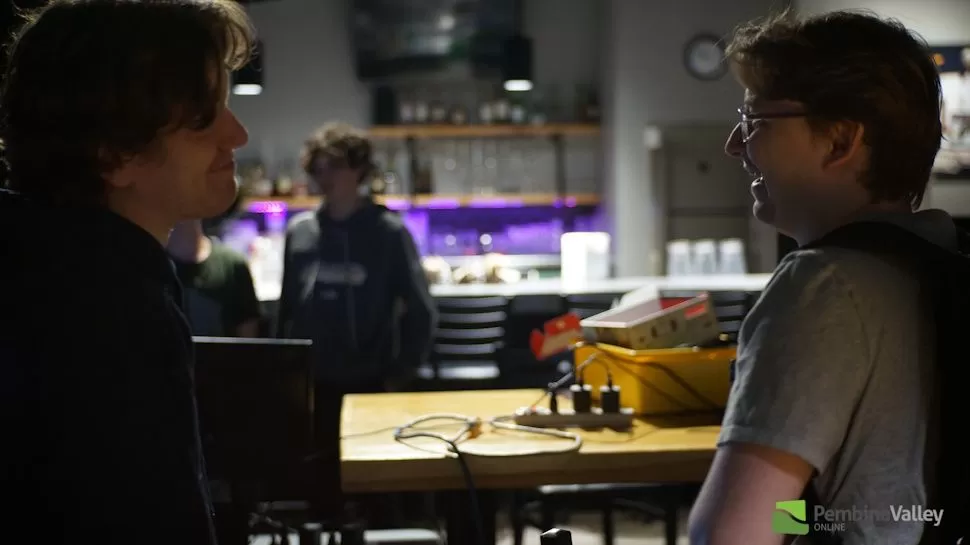 Two people laughing and smiling at a gaming tournament, representing the friendly community atmosphere
Strikezone 3: Bringing the Battle to Manitoba
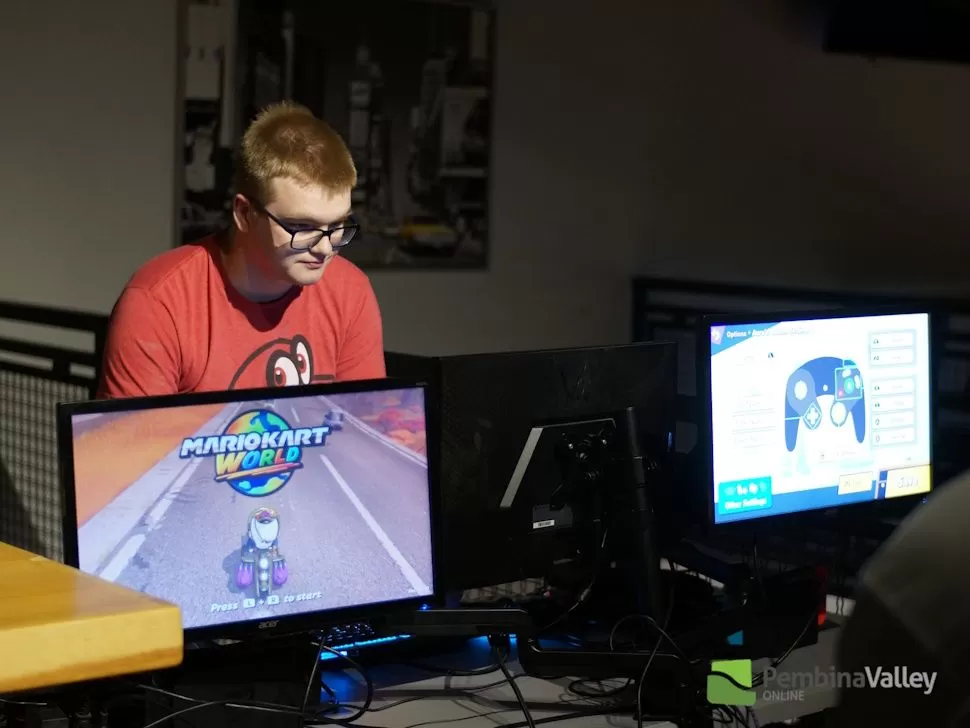
Players from across Manitoba recently converged on VB’s Entertainment Centre in Winkler for the third edition of Strikezone, a tournament dedicated to Super Smash Bros. and Mario Kart. This event provided a platform for both casual players looking to test their might and seasoned competitors aiming for the top spot.
Morgan Wiebe, the host of Strikezone, shared that the wide variety of characters is a big draw for Smash Bros., noting some of the more unexpected fighters. “Mr. Game and Watch is from like the earliest little pocket systems that Nintendo was first releasing in 2D, he’s probably the deepest pull,” he explained. He also pointed to R.O.B., a toy accessory from the original Nintendo Entertainment System in the 80s, as another playable character, showing the series’ deep dive into Nintendo’s history.
What’s interesting is that the competition at Strikezone isn’t limited to the latest game, Super Smash Bros. Ultimate. The tournament also featured brackets for the original Super Smash Bros. on Nintendo 64 and the fan-favorite Super Smash Bros. Melee from the Nintendo GameCube era.
Wiebe highlighted the unique appeal of Melee: “Melee was such a happy accident kind of thing. It was planned in like 13 months. So, it was unpolished, unrefined, but that’s what gives it its charm.” He contrasted this with Ultimate, noting it likely had “at least a couple thousand people working on it over the course of two or three years,” resulting in a much more polished, but different, experience. This variety means players can compete in the game version they love most.
The Competitive Edge: It’s Different From Playing Friends
Many people play Smash Bros. within their friend groups, often thinking they’re pretty good. Wiebe admitted this was his own experience before hosting tournaments. “And then I started running these. It is a night and day difference.”
He described the humbling reality of competitive play compared to casual matches. “You can just absolutely be winning on a Friday night, you come here on a Saturday afternoon, and you’re one of the first people eliminated. It’s a very humbling experience for many who first come out here,” he laughed. Unlike traditional sports where top athletes might be instantly recognizable, Wiebe noted it’s hard to tell who has serious skills just by looking. “You might not know that that was Michael Jordan or Scottie Pippen when you first started.”
 Morgan Wiebe, host of the Strikezone 3 Super Smash Bros. tournament, smiling
The Community: Welcoming Newcomers
For anyone thinking about taking their game beyond friendly matches, entering tournaments might seem intimidating, but the community aspect is a major draw. Reed Harms and Jordan Wiebe, a duo who competed, offered straightforward advice: “Enter tournaments. Simple as that,” said Harms. “It doesn’t matter if you go 0-2 or anything like that, just play the game. You’ll eventually get better. I’ve been doing this for years, and I’m finally seeing results.”
Jordan Wiebe echoed this sentiment, emphasizing the open and friendly nature of the players. “Even if you’re not familiar with it, just come on by, take a look. We’re very friendly people, and we’re all willing to give people a hand to get into the community. And we’re all about getting new players.”
Morgan Wiebe also highlighted a practical reason to attend events like Strikezone 3. “We’ve got plenty of time where you can just come and even learn the game if you don’t know, or are interested in something like Mario Kart on the new Switch but don’t quite have the willingness to jump full on in, come out here, try it out for yourself before buying it.” He sees it as a great way for people to experience games and the community firsthand.
Local gaming tournaments like Strikezone 3 offer more than just competition; they build communities. They provide a place for players to improve, meet like-minded friends, and celebrate their shared passion for games like Super Smash Bros. and Mario Kart.
To find out about future events in the area, you can check out the PV E-Sports social media pages.