The Nintendo Switch 2 is coming, and while it boasts a much-needed storage upgrade with 256GB built-in (that’s eight times more than the original!), you might still run out of space quickly. Why? Because the new console’s beefier performance means games are getting big. Think titles like Cyberpunk 2077 needing 60GB or Split Fiction a massive 73GB. Even smaller games add up, so expanding your storage is likely on your horizon.
Contents
Here’s the catch: You won’t be able to use your old, trusty standard microSD cards from the first Switch. The Switch 2 requires a newer, much faster, and currently more expensive type of card called microSD Express. If you plan to download lots of games, these are your only option for external storage. Let’s break down what you need to know and why you might want to pause before buying one right away.
Why the Switch 2 Needs Faster Storage (and What It Uses)
The original Switch was great, but its internal storage and support for older, slower microSD cards often meant lengthy loading times for bigger games. The Switch 2 steps up the game significantly, both in processing power and its internal storage tech. It uses UFS 3.1 storage internally, which is much faster than the eMMC storage found in the first Switch.
To keep up with this speed and handle demanding modern games that might stream assets quickly, the console needs expansion storage that won’t create a bottleneck. Enter microSD Express. This isn’t just a slightly faster version of what you know; it’s a whole new standard that uses different technology.
Pictured: SanDisk and Lexar microSD Express cards required for the Nintendo Switch 2.
Standard microSD cards you’ve used before typically rely on the Ultra High Speed (UHS) standard, usually UHS-I, which has theoretical speeds up to around 104 MB/s. UHS-II cards are faster but less common. microSD Express, however, taps into the same kind of tech that powers speedy computer SSDs (called PCIe/NVMe). This allows for much higher theoretical speeds, up to 985 MB/s – that’s roughly ten times faster than standard UHS-I cards!
You can spot a microSD Express card by looking for a prominent “EX” logo on it. They also have a second row of pins on the back compared to older cards. This speed boost is crucial for ensuring game loading times, installations, and performance keep pace with the Switch 2’s capabilities.
Current MicroSD Express Options and Their Cost
Since the Switch 2 is the first major device to adopt microSD Express, the market for these cards is just starting. This means limited availability and, unfortunately, higher prices compared to the standard microSD cards you might be used to buying.
At the moment, options are sparse, but you might find cards from brands like SanDisk and Lexar appearing at retailers. Capacities are starting to appear up to 1TB, although Nintendo says the console technically supports up to 2TB (which aren’t available yet in the Express format).
Let’s talk price. These cards are significantly more expensive. For example, a 256GB standard microSD card might cost around $25, while an equivalent 256GB microSD Express card could be many times that price. Early pricing for a SanDisk 128GB microSD Express card was around $45, and the 256GB was $60, but prices can fluctuate and stock has been unpredictable.
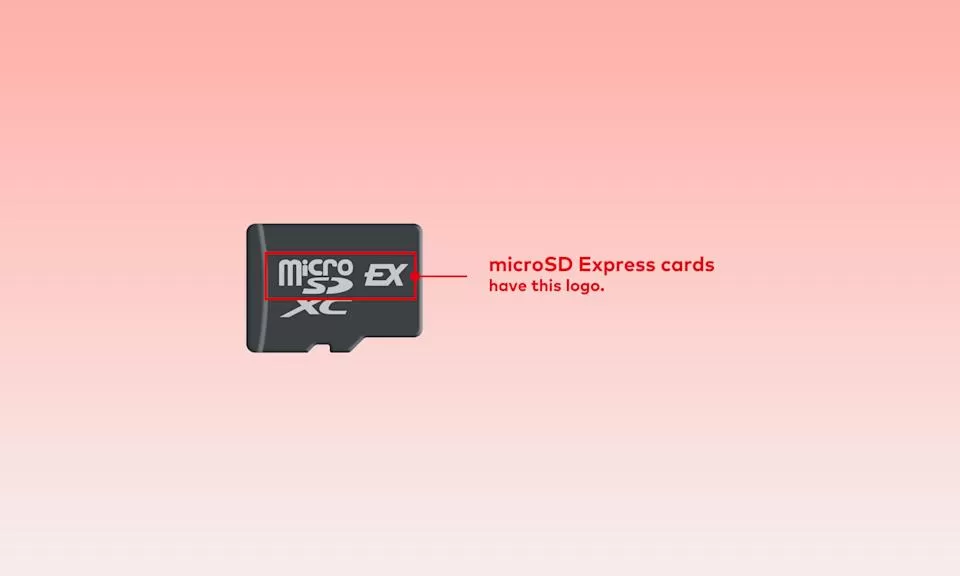 A graphic showing the logos found on the microSD Express cards required by the Nintendo Switch 2 for storage expansion.
Look for the “EX” logo to confirm you have a microSD Express card.
Performance-wise, early tests show these cards deliver on the speed promise compared to older standards. For instance, SanDisk’s card showed very fast sequential read speeds in tests, which helps with loading games. Lexar’s offering was also fast, particularly for writing data. Both should provide a much better experience for modern games than older cards.
However, we haven’t seen specific tests on the Switch 2 itself yet. It’s possible the console might optimize performance across compatible cards, similar to how the first Switch often made high-end standard microSD cards perform similarly to mid-range ones. The “best” card might end up being the most affordable reliable brand in the size you need once more options are out.
Should You Buy a MicroSD Express Card Right Away?
Given the current high prices and limited selection, our main piece of advice is this: If you can wait, wait.
The Switch 2’s built-in 256GB should be enough for several games right out of the box. Try to use that space first. Delete games you aren’t actively playing to free up room if needed.
As more Switch 2 consoles get into players’ hands, demand for microSD Express cards will grow. This should encourage more manufacturers to release their own cards, increasing competition and eventually driving prices down. You’ll likely get more storage for your money if you hold off for a bit.
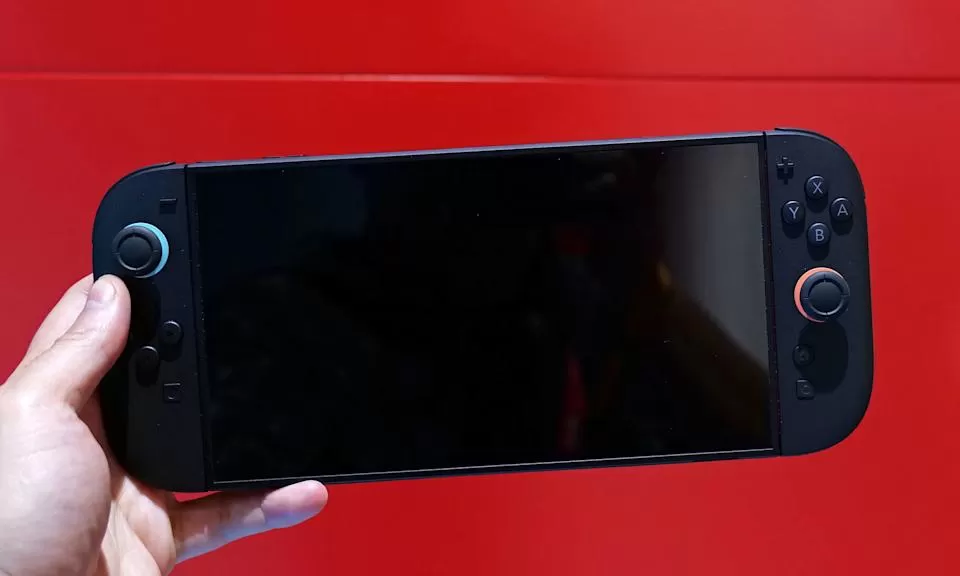 The Nintendo Switch 2 game console is held up with its screen turned off in front of a red wall.
Expanding storage on the new Nintendo Switch 2 requires a different type of microSD card.
Plus, waiting allows tech reviewers and early adopters to test how different microSD Express cards actually perform on the Switch 2. This will give you a clearer picture of which cards offer the best real-world speed and value for the console.
If you absolutely need more space on day one, the currently available microSD Express cards should work just fine and offer a significant speed boost over older standards. Just be prepared to pay a premium for being an early adopter of this new tech.
In short: The Switch 2 brings faster storage, but expanding it requires a new, expensive type of card. While the tech is exciting for performance, consider utilizing the built-in storage first and see how the market for microSD Express cards develops before you invest.
Curious about other aspects of the new console? Check out our breakdown of the Nintendo Switch 2’s confirmed tech specs or compare it to other gaming handhelds on the market.