Ever wonder why your shiny new phone, despite all its amazing tech, seems to have a battery size that feels… capped? Especially when you see headlines about phones sold in other countries boasting capacities way beyond 5,000mAh? You’re not alone. While new battery tech like silicon-carbon cells is on the horizon, the actual battery size in phones sold in places like the US and Europe seems stuck around the 5,000-5,300mAh mark. Meanwhile, models in Asia might pack significantly larger batteries, sometimes 6,000mAh or more, even in otherwise identical phones. What’s the deal?
Contents
The short answer might surprise you: it’s mostly about how these phones are shipped around the world. Yep, international transport regulations play a huge role in limiting the battery capacity of the phone in your pocket.
 Android phones battery life compared by capacity
Why Shipping Rules Limit Your Phone’s Battery Size
If you’ve ever tried to mail a phone or even just a standalone power bank, you might have encountered questions about the battery. That’s because lithium-ion batteries, which power pretty much all our modern gadgets, are classified as hazardous goods. They pack a lot of energy, which is great for keeping your phone running, but it also means they can pose a fire risk if damaged, short-circuited, or exposed to extreme heat.
To prevent potential disasters during transport by air, sea, road, or rail, numerous international rules are in place. Groups like IATA (for air travel), IMDG (sea), and others follow guidelines that ultimately trace back to the UN’s Model Regulations. These regulations classify lithium-ion batteries based on their energy capacity.
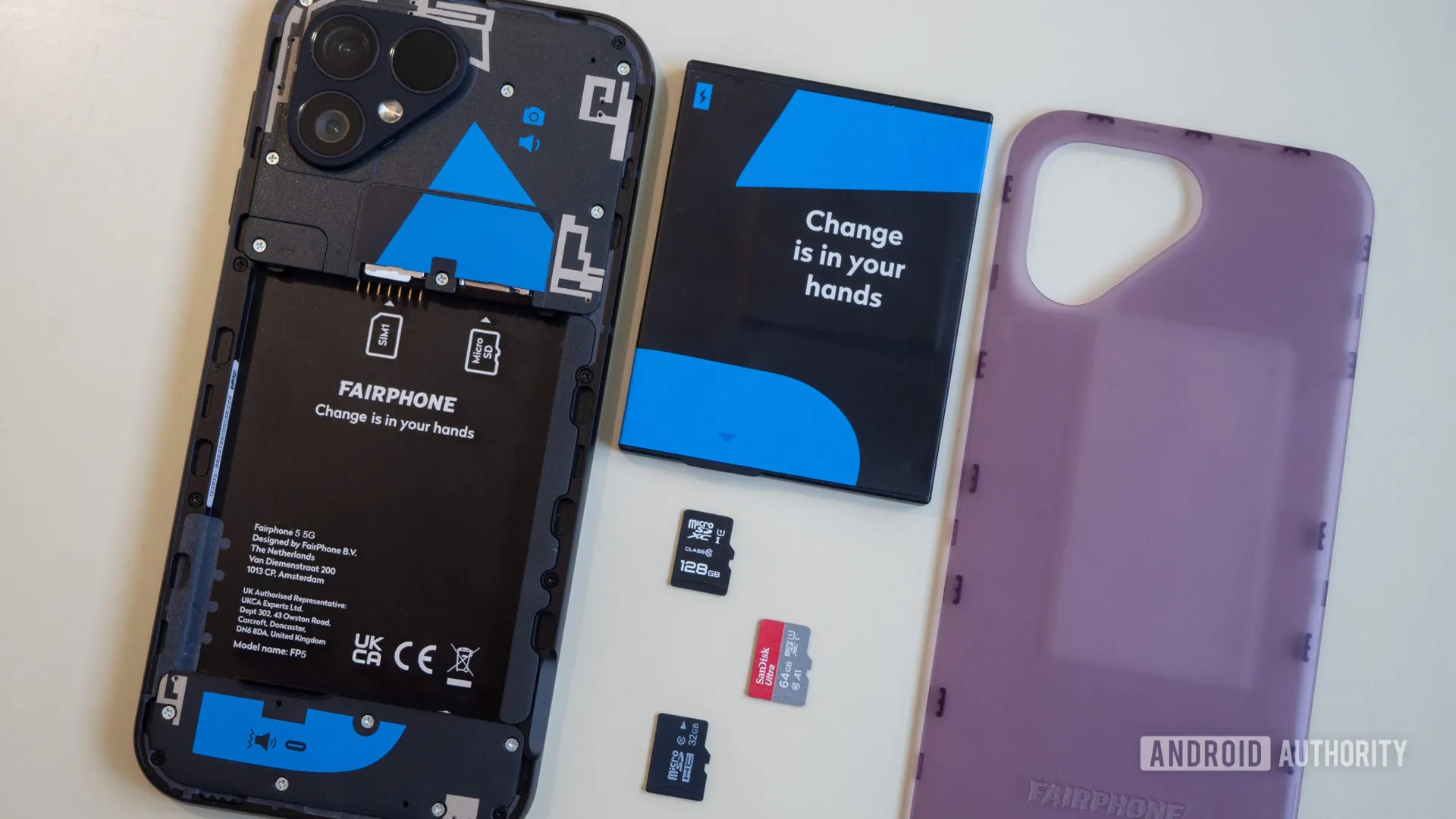 fairphone 5 showing removable battery and SD card slot
The crucial part is UN Special Provision 188. This rule sets a limit for what’s considered a “small” lithium-ion battery cell that can be shipped under simplified, less costly regulations. That limit is 20 watt-hours (Wh) per cell.
The 20Wh Limit Explained
So, what does 20Wh mean in terms of the milliamp-hour (mAh) capacity we see listed for phones? It depends on the battery’s voltage, but for a typical smartphone lithium-ion cell with a nominal voltage around 3.8V, 20Wh works out to approximately 5,300mAh.
This is why you’ll notice that many single-cell smartphone batteries in markets subject to these strict international shipping rules tend to max out right around the 5,000 to 5,300mAh mark. Shipping batteries larger than this limit is possible, but it requires more complex procedures, specialized packaging, stricter documentation, and often higher costs – all factors manufacturers prefer to avoid for mass-market consumer electronics if they can.
This explains why models like the Nothing Phone 3 globally have a 5,150mAh battery but offer 5,500mAh in India, or why the HONOR Magic 7 Pro goes from 5,270mAh in Europe to 5,850mAh in China. The international versions need to stick to the 20Wh per cell guideline for easier transport, while versions primarily sold and shipped within a single country or region might not face the same constraints.
How Some Phones Get Around the Limit
Did you catch the key phrase? The 20Wh limit applies per cell. This is where some manufacturers find a clever workaround: using multiple smaller battery cells packaged together inside one device.
Instead of one large 6,000mAh cell (which would exceed the 20Wh limit and require complex shipping), a phone can use two smaller cells wired together. For example, two 3,000mAh cells (each well under the 20Wh limit) combine to give a total capacity of 6,000mAh. Since each individual cell meets the “small battery” criteria, the whole package can often be shipped under simpler rules.
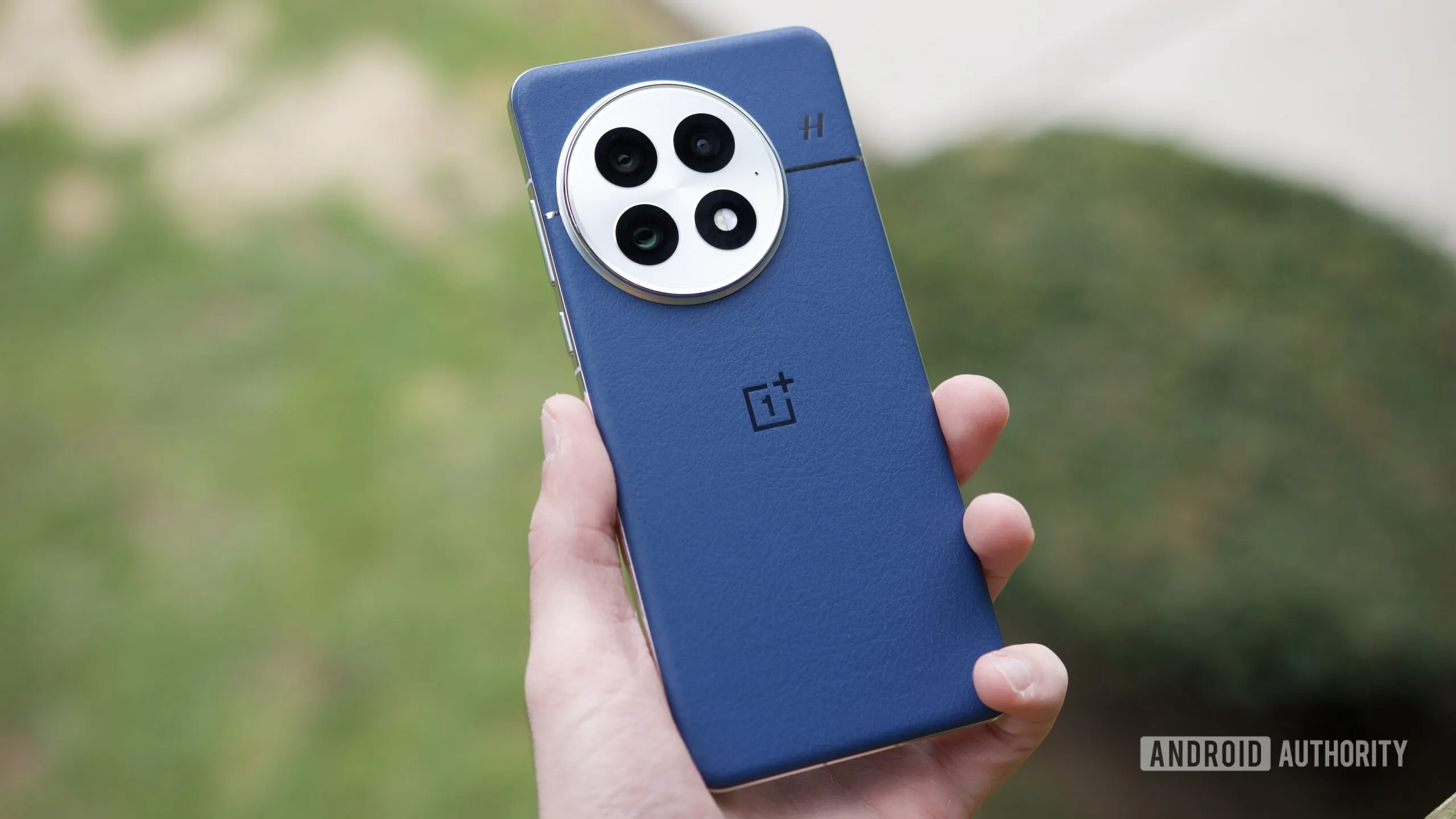 Someone holding the blue OnePlus 13 phone outside
This multi-cell approach has been used by some brands for years, notably for enabling faster charging speeds, but it also happens to be the key to achieving larger battery capacities while adhering to shipping regulations. This is why phones like the OnePlus 13 can sport a massive 6,000mAh battery and still be sold globally, or the OPPO Find X8 Pro can make it to Europe with its hefty 5,910mAh capacity. They use split-cell designs.
However, this isn’t a free pass. Designing phones with split batteries adds complexity and cost. It requires extra components and circuitry to manage charging and discharging safely across multiple cells. This is one reason why not all manufacturers, including giants like Apple, Google, and Samsung, have widely adopted split-cell designs purely for increasing capacity across all their models, especially in markets where the 5,000-5,300mAh range is deemed sufficient for competitive battery life.
For phones manufactured and primarily sold within markets like China, the international shipping hurdle is less significant or non-existent, making it easier and cheaper to include larger, single-cell batteries without the regulatory headache.
The Battery Future: Stuck or Supercharged?
So, if you’re dreaming of significantly larger batteries in mainstream global smartphones, we might be facing a bit of a roadblock. Overcoming the 5,300mAh single-cell ceiling for widespread international shipping primarily relies on adopting the more expensive and complex split-cell battery designs across more phone models. The alternative – manufacturing locally in every major market or navigating costly specialized hazardous goods shipping for single, large batteries – isn’t realistic for most companies.
This regulatory reality means that even exciting advancements in battery chemistry, like those using silicon-carbon, might initially improve energy density within the existing size/weight constraints, but a major leap in overall capacity for internationally shipped phones might still be tied to overcoming these transport limits or absorbing the extra costs of multi-cell designs.
Curious about how battery tech is evolving? Check out our deep dive into silicon-carbon batteries [link to silicon-carbon article] or explore reviews of phones with impressive battery life [link to best battery life phones article].
What do you think? Would you pay a premium for a phone with a significantly larger battery, even if it uses a more complex design? Share your thoughts!