Forget glancing at your wrist for step counts. The Whoop 5.0 is a different kind of fitness tracker, ditching the screen entirely to focus on delivering an incredible amount of health data straight to your phone. But is all this information truly valuable, and is the subscription model worth it for everyone? We took a close look at Whoop’s latest wearable to see who it’s really for.
Contents
The Whoop 5.0, released in May, continues the brand’s legacy of passive health monitoring, tracking everything from heart rate and sleep to stress and recovery. It’s a significant evolution from previous models, aiming squarely at the growing “longevity” and advanced health tracking market.
Key Takeaways:
- Screenless Design: No display means fewer distractions but requires relying entirely on the app.
- Data Powerhouse: Tracks extensive metrics like heart rate variability, sleep stages, skin temperature, and more for deep insights.
- Subscription Model: Access to data and coaching requires a paid membership, unlike most traditional trackers.
- 24/7 Wear Required: To get accurate data, Whoop insists you wear it constantly, which might be uncomfortable for some.
- Great Battery Life: Thanks to the lack of a screen, the battery lasts much longer than typical smartwatches.
What is Whoop 5.0? It’s All About the App
Most fitness trackers, from basic pedometers to smartwatches like the Apple Watch or a Garmin, give you information right on your wrist. Whoop flips this script completely. The band itself has no screen. None. Instead, it’s packed with advanced sensors designed to capture incredibly accurate physiological data around the clock.
The core technology includes PPG (photoplethysmography) sensors that use infrared light to measure changes in blood volume. This allows for precise heart rate and heart rate variability tracking. It also includes skin temperature sensors for sleep analysis and accelerometers to monitor your activity.
All this raw data is then crunched and presented exclusively in the Whoop app on your smartphone. This focus on software is a major differentiator from trackers like Fitbit, which typically offer devices as a one-time purchase with a free accompanying app.
 Whoop 5 band close up on a wrist
The Subscription Model: Paying for Insights
This app-centric approach ties directly into Whoop’s business model: a required membership. Instead of buying the device outright and getting full functionality forever, you pay an annual fee to access your data and Whoop’s insights.
Currently, Whoop offers tiered subscription plans. The base Whoop One subscription (often included with the initial band purchase, like the $199 annual plan for the Whoop 5.0) provides core insights into sleep, strain, and recovery, plus coaching and basic health metrics. Higher tiers, like the Whoop Peak and Whoop Life plans, add more advanced features like healthspan/biological age scores, real-time stress monitoring, and even potential future capabilities like blood pressure tracking (currently in beta).
This is a crucial point of comparison. With a Fitbit or Garmin, you own the hardware and the basic app functionality is free. With Whoop, the hardware is just the key to unlock the ongoing service and data analysis provided by the subscription.
Wearing the Whoop 5.0: The 24/7 Commitment
Perhaps the most defining characteristic of using a Whoop is the expectation of wearing it constantly – 24/7. That means through workouts, sleep, showers, everything. Whoop’s algorithms are designed to build a complete picture of your body by continuously collecting data. If you take it off, the app will gently (or not so gently) remind you that you’re missing out on crucial information needed for accurate insights.
For some, this constant wear might be a challenge. It can feel intrusive, especially after sweaty activities or even just finding the band uncomfortable at times. Getting the band on initially can also feel a bit tricky until you get the hang of the buckle mechanism. While the Whoop 5.0 sensor is smaller than previous versions, which helps with comfort, some users, particularly those with smaller wrists, might still find it noticeable.
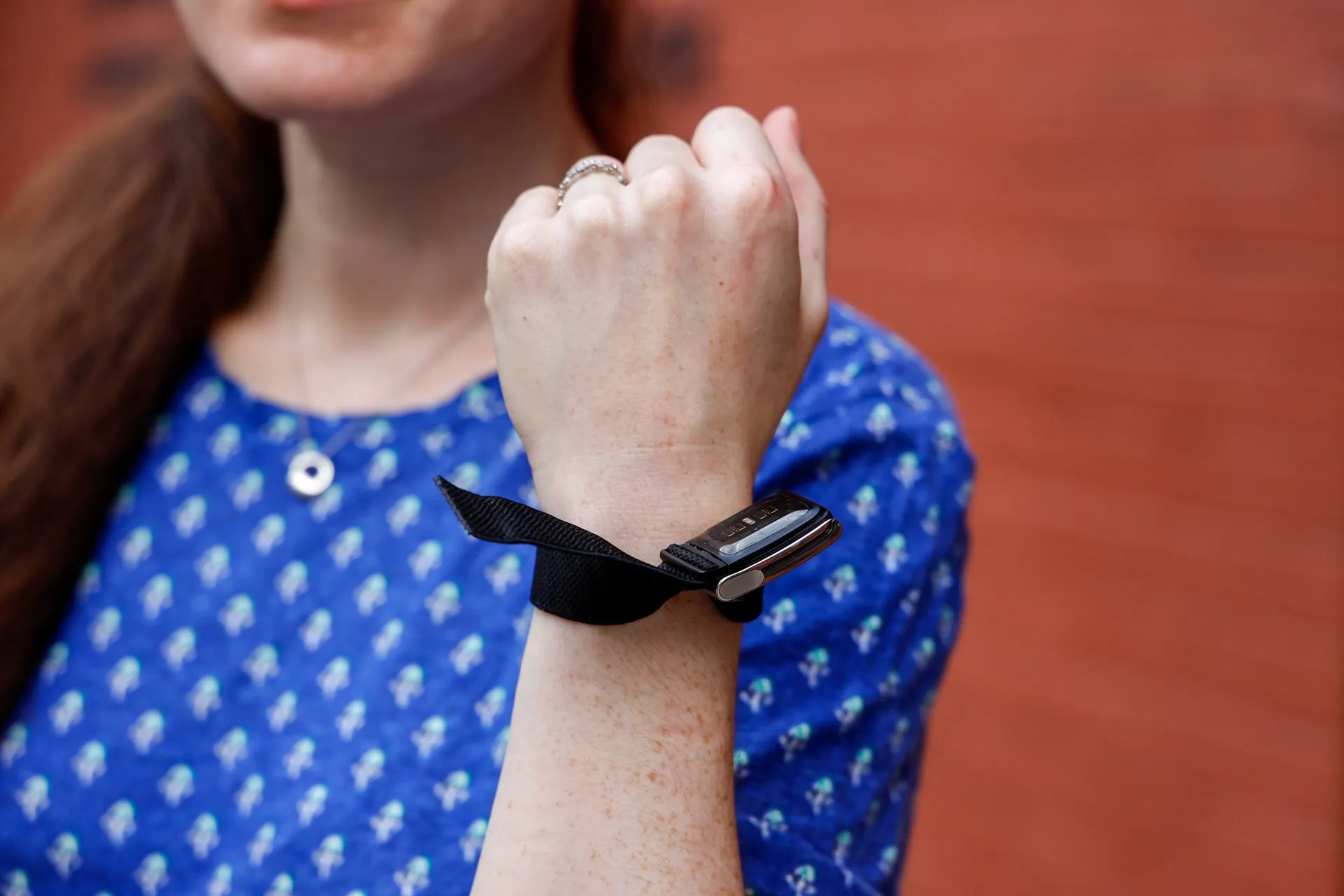 Whoop 5 band being adjusted on a wrist
However, the screenless design does bring a significant upside: fantastic battery life. Without powering a display, the Whoop 5.0 can last around 12 days on a single charge. Even better, you can charge it while wearing it using a small slide-on battery pack, further minimizing the need to take it off.
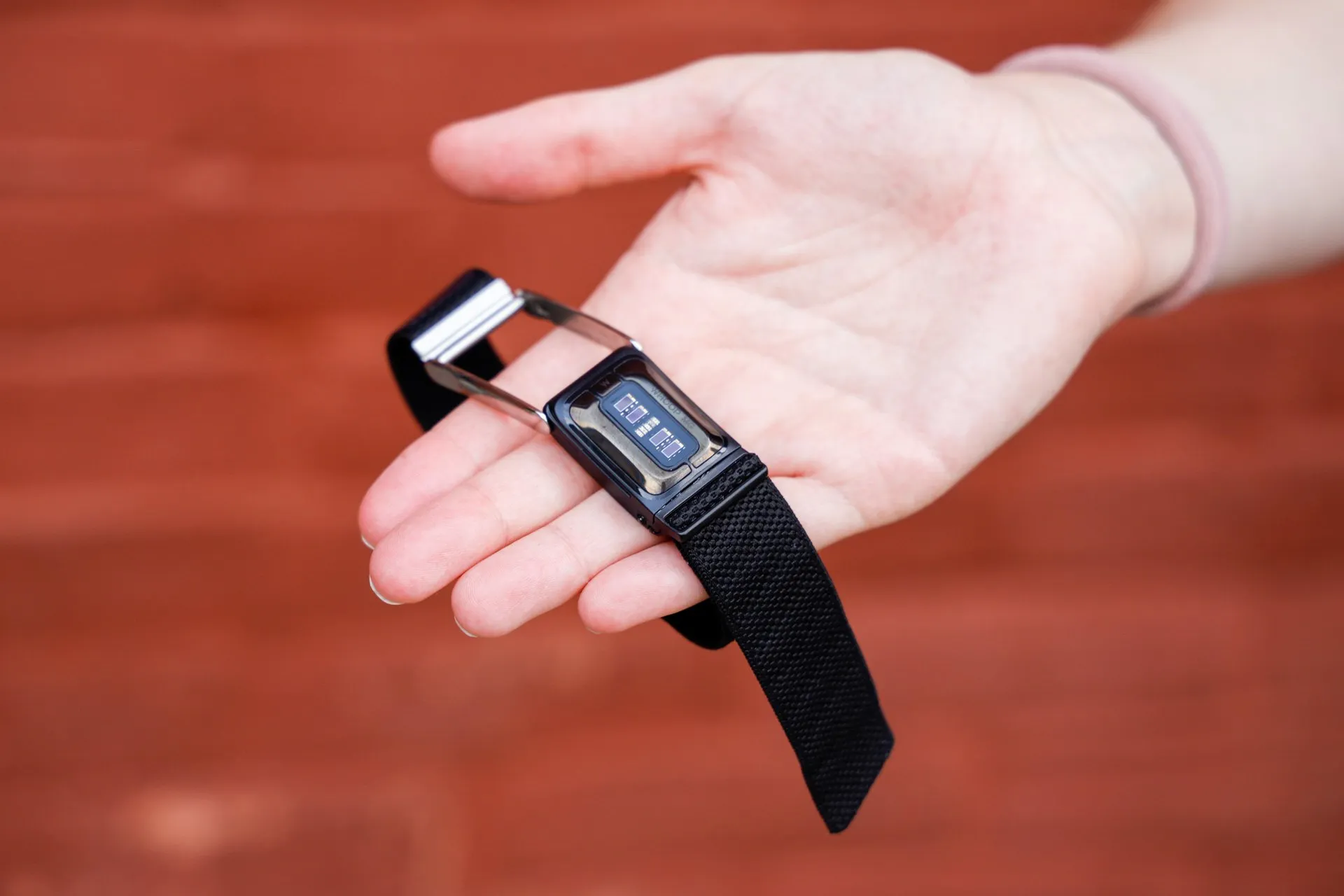 Whoop 5 band and charger accessory
Data Overload? Diving Into the Numbers
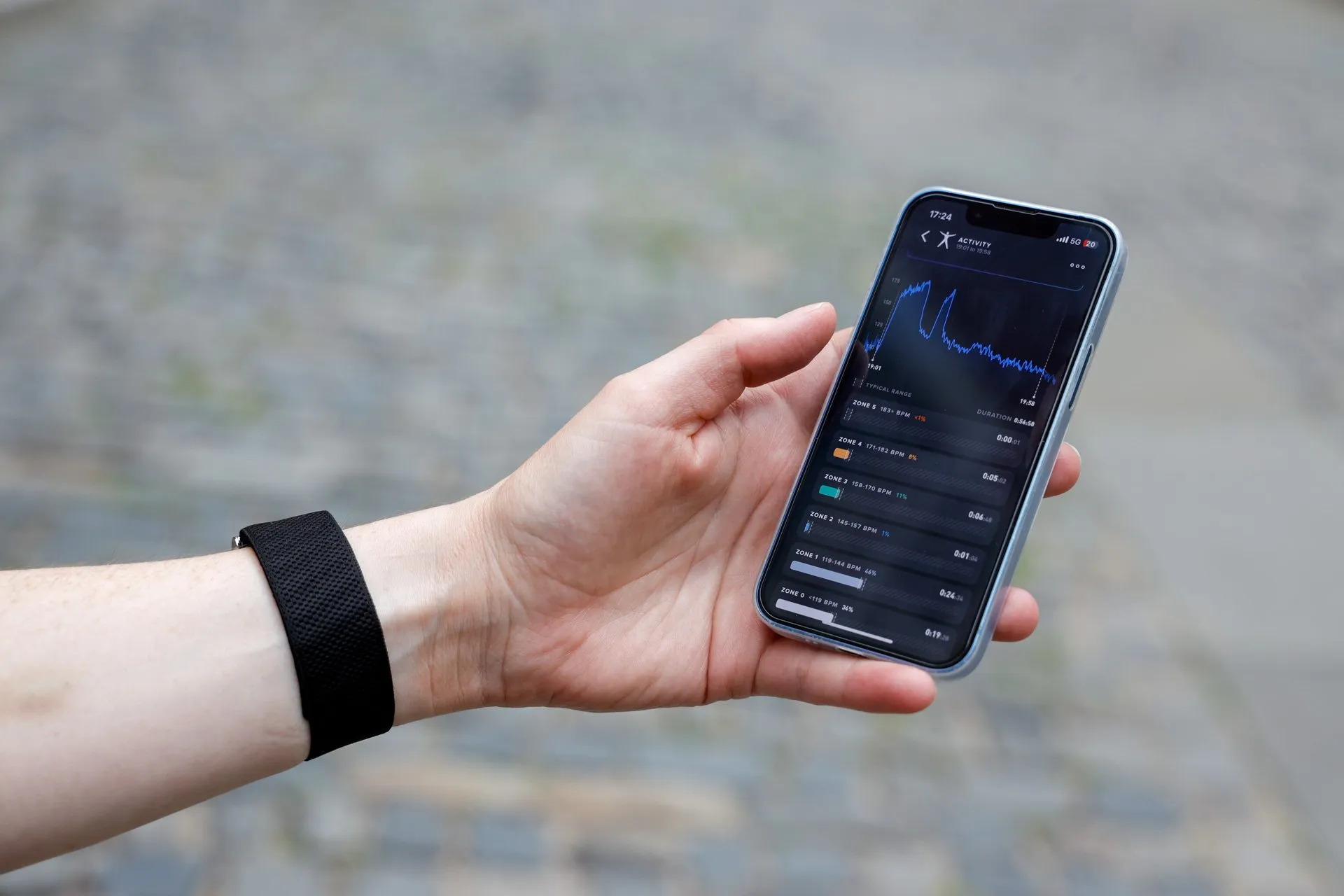
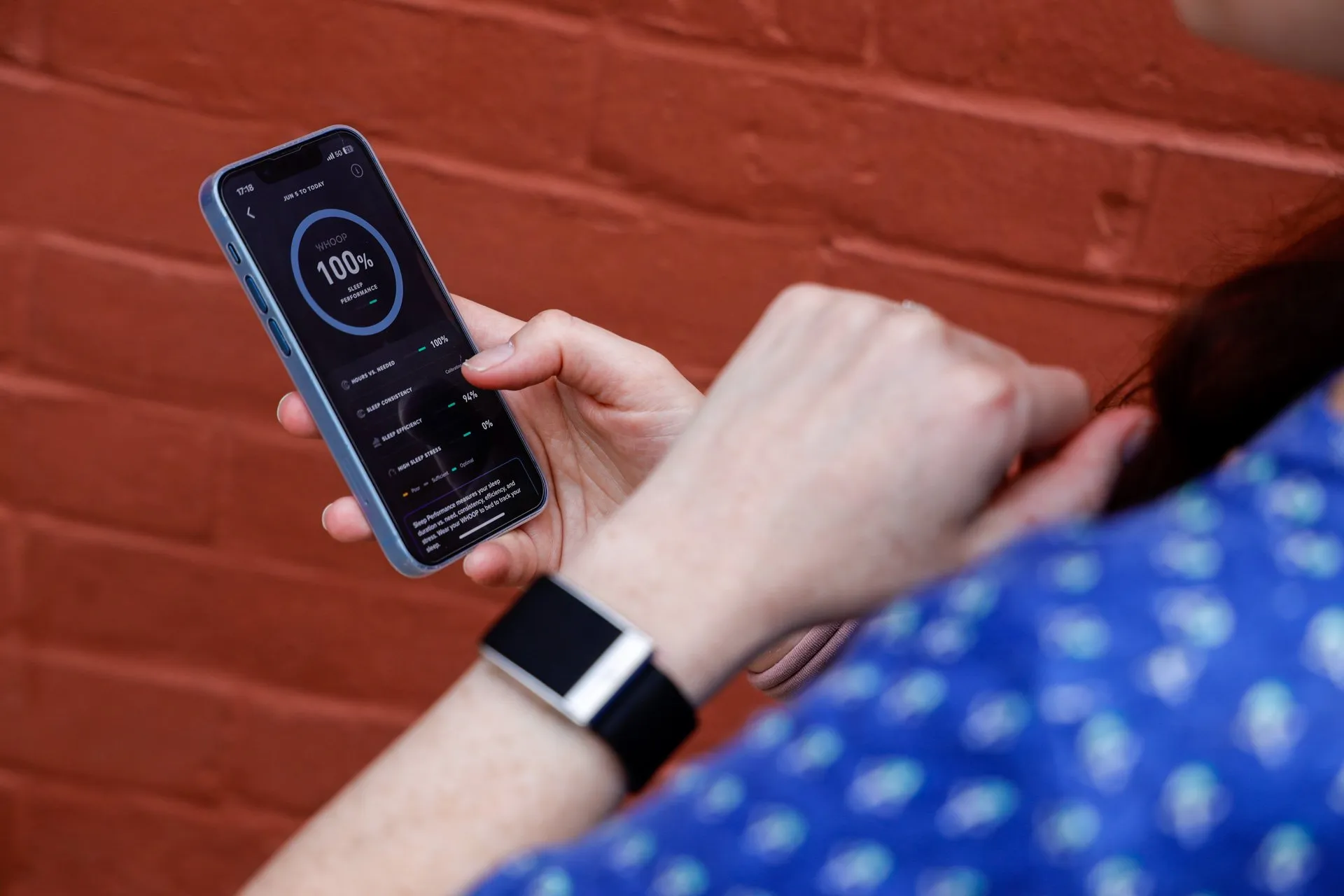
Wear the Whoop 5.0 consistently, and you’ll unlock a massive amount of data in the app. After an initial calibration period (usually a couple of weeks), the platform starts providing detailed daily scores for sleep, strain (how hard your body worked), and recovery (how ready you are for the next day). Higher-tier subscriptions add even more, like your “biological age” based on health metrics.
 Whoop app interface showing daily health data summaries
This is where things can get a bit overwhelming for the average user. The sheer volume of charts, graphs, and numbers might be more information than many people need or have time to process daily. If you’re just curious about your steps or basic heart rate, this is likely overkill.
However, for dedicated athletes or those deeply invested in optimizing their health and performance, this data can be incredibly insightful. The daily strain and recovery scores, in particular, can be powerful tools for understanding how your body is responding to training, stress, and rest, helping you decide if you should push hard or take it easy. For someone training for a marathon or a serious weightlifting program, these specific insights could be Whoop’s biggest selling point.
The Big Question: Does Whoop Make You Healthier?
Whoop positions itself not just as a tracker, but as a tool for improving health and even contributing to longevity. By providing deep insights, the idea is that you’ll make better decisions about sleep, recovery, and activity, leading to improved well-being over time.
But does wearing the Whoop band directly lead to better health? This is a complex question. Very few independent studies have specifically looked at the causal link between wearing a Whoop and achieving better health outcomes. A Whoop-funded study did find that consistent users showed better resting heart rate, heart rate variability, sleep, and activity metrics, but it’s challenging to separate the impact of the device itself from the fact that people who choose to use a detailed tracker like Whoop are often already highly motivated to improve their health.
 Whoop band on wrist in an active setting
Ultimately, the value might lie in the passive tracking and the nudge it provides. For someone who wants continuous, detailed data on how their body is doing without a distracting screen constantly showing numbers, Whoop offers a unique proposition. Even if you don’t dive deep into every metric, having recovery scores and sleep analysis available can inform healthier choices.
Who is the Whoop 5.0 For?
The Whoop 5.0 is clearly not for everyone. If you want a smartwatch with notifications, a screen for quick stats, or a simple step counter, look elsewhere. Whoop is also an ongoing financial commitment due to the required subscription.
However, if you are a serious athlete, a biohacker, or simply someone intensely curious about the inner workings of your body and willing to wear a band 24/7 for detailed data, the Whoop 5.0 offers an unparalleled level of insight compared to most consumer wearables. It’s a powerful tool for those ready to embrace deep health tracking and leverage that information to inform their lifestyle choices.
See Whoop 5.0 at Amazon
Curious about other ways to track your fitness? Explore our reviews of Fitness Trackers and wearables to find the right device for your needs.