Worried about a bad update or software install messing up your Windows 11 PC? System Restore is your safety net, creating snapshots of your system files to help you roll back to a working state. But here’s something important to know: Microsoft has confirmed that on Windows 11, these automatically created restore points now expire and are deleted after 60 days. This change is rolling out with recent updates and will be the standard going forward.
Contents
This means your PC’s built-in safety net isn’t permanent. Understanding this limit is crucial for keeping your computer running smoothly and recovering from potential issues without losing everything. The key takeaway? While 60 days is better than a previous shorter window, you still need to be proactive.
What Exactly is System Restore?
Think of System Restore as a time machine for your computer’s core settings and programs. When something goes wrong – maybe a new app crashes your system, or a driver update causes glitches – System Restore lets you rewind your PC’s system state back to a previous date when everything was working correctly.
It’s super handy for troubleshooting because it can fix many software-related problems without affecting your personal files like documents, photos, or emails. Microsoft itself highlights its value for undoing changes caused by software installations, driver updates, or system setting tweaks.
The New 60-Day Countdown in Windows 11
For a while, there was some confusion about how long Windows 11 kept these automatic restore points. Earlier versions sometimes deleted them very quickly, even after just 10 days! Older versions like Windows 10 often held onto them for up to 90 days.
However, Microsoft has now made it clear in a support document related to the June 2025 security update: Windows 11 version 24H2 and future versions will keep system restore points for a maximum of 60 days. Any points older than that will be automatically deleted.
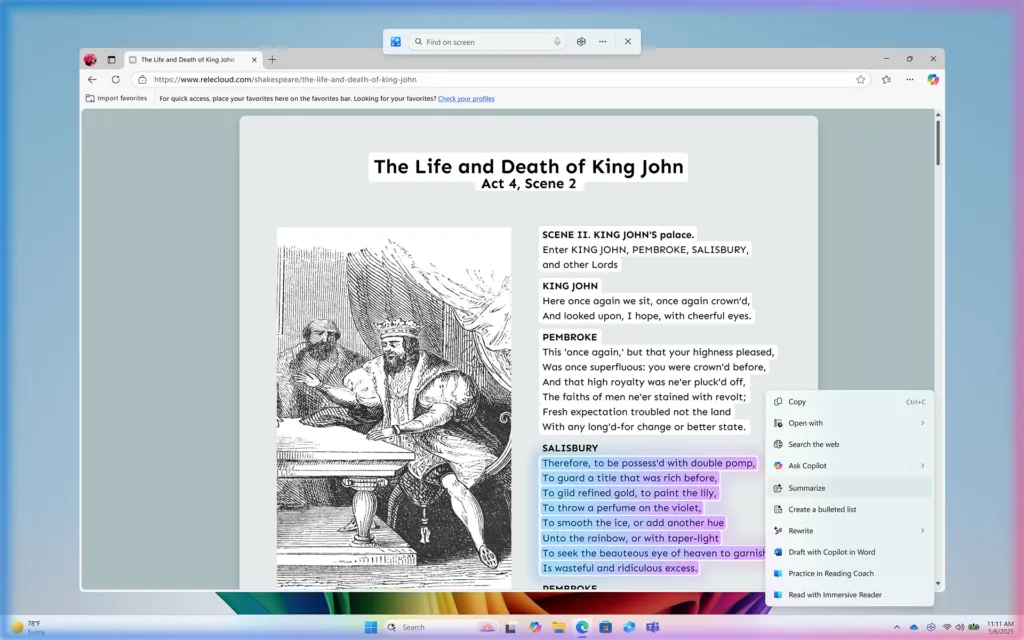
 Comparing Windows 11 and Windows 10 interface designs
While 60 days isn’t as long as the potential 90 days on Windows 10, it’s a significant improvement over the much shorter periods sometimes seen in earlier Windows 11 builds. It provides a more reliable, albeit limited, window for using this recovery feature.
Why This Matters and What to Do
Knowing about the 60-day limit is important because if a problem pops up after that window, you won’t have an automatic restore point to use. This is especially relevant as Microsoft continues to encourage users to move from Windows 10 (which reaches end of support soon) to Windows 11. Ensuring your new system is recoverable is key.
Luckily, you aren’t just relying on the automatic points. You can manually create your own System Restore points, and this is a smart habit to get into, especially before making major changes to your PC like installing new software or significant updates.
How to Create Your Own System Restore Point
Making a manual restore point is quick and easy:
- Click the Start button.
- Search for “Create a restore point” and select the result that opens the System Properties window.
- In the System Properties window, go to the System Protection tab.
- Check under “Protection Settings” to make sure System Protection is “On” for your main system drive (usually drive C:). If not, select the drive, click Configure, and choose “Turn on system protection.”
- Once protection is on, click the Create… button at the bottom.
- Give your restore point a description (like “Before New Software Install” or “Manual Backup June 25”) to help you remember why you created it.
- Click Create and wait a moment for it to finish.
While these manual points will also fall under the 60-day expiration in Windows 11 version 24H2, creating them periodically means you always have a recent backup state available within that window. Making one every few weeks or before major changes is solid practice for peace of mind.
This clarified 60-day limit in Windows 11 highlights the importance of being aware of your system’s backup capabilities and taking proactive steps to protect your digital life.
Stay informed about the latest Windows changes and how they impact your PC: