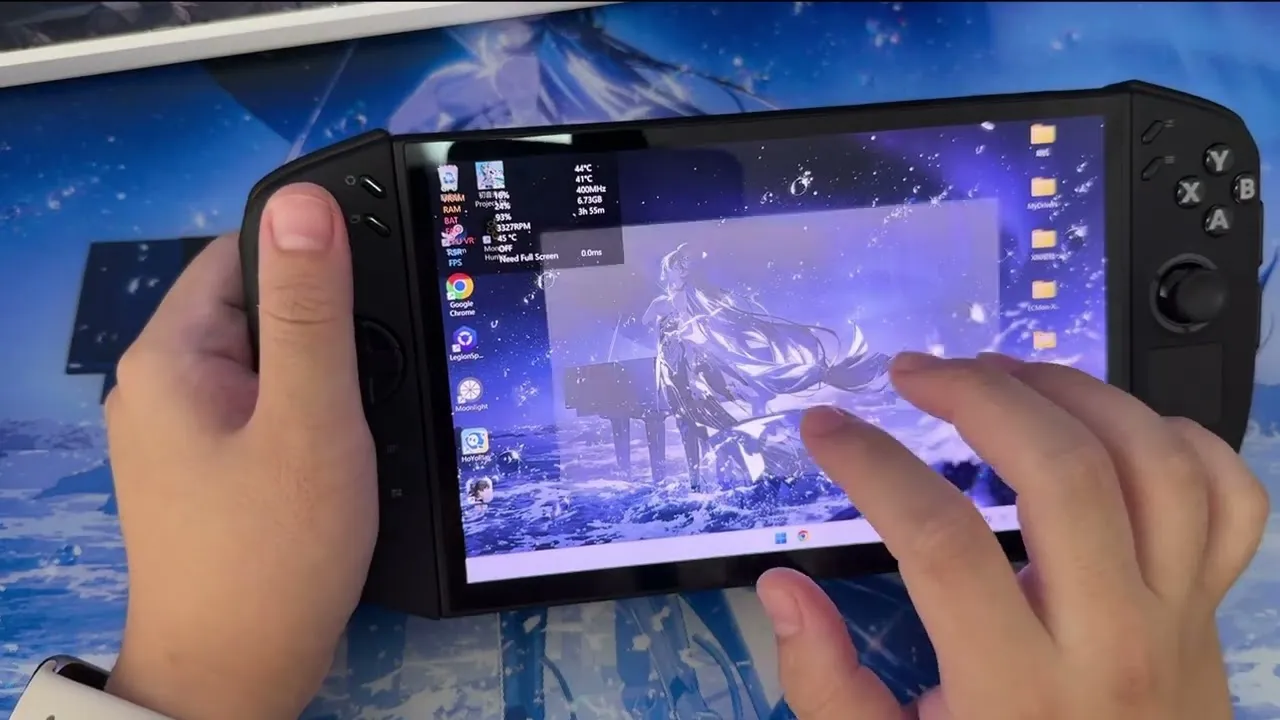
Big news from the world of Xbox handhelds. It looks like Microsoft is hitting pause on developing its own dedicated Xbox portable console for now. The focus is shifting instead to making Windows 11 work even better on handhelds made by partners, like the upcoming device from ASUS. This means improvements are coming for devices like the ROG Ally and Legion Go, partly driven by competition from platforms like SteamOS.
Contents
Here’s the breakdown: Microsoft’s internal handheld project is shelved for the moment, resources are moving to optimize Windows for existing and new third-party handhelds, the ASUS partner device (“Project Kennan”) is still on track, and Microsoft is also pushing forward with next-gen cloud gaming.
What Happened?
Sources indicate that Microsoft’s internal project for a first-party Xbox handheld has been put on hold. While there were apparently multiple prototypes in development, the decision was made internally to reassign teams and prioritize different goals for now. It’s not a cancellation, but rather a significant shift in immediate focus and resource allocation.
Why the Shift?
Instead of building their own hardware right now, Microsoft is dedicating resources from the Xbox and Windows teams to improve the software experience on existing and upcoming third-party handhelds. They want Windows 11 to be a smoother, more efficient platform for gaming on these portable PCs.
This push is partly fueled by how well competing operating systems, like SteamOS on the Steam Deck, perform for gaming – sometimes even outperforming Windows 11 on similar hardware in terms of performance and battery life. Microsoft seems to recognize the need to make Windows a more competitive and user-friendly OS for the growing handheld market.
What About the ASUS Handheld?
Good news for those waiting on the rumored ASUS handheld partner device (codenamed ‘Project Kennan’). This project is reportedly still on track. Its hardware development is said to be largely finished, targeting a launch later this year. It might feature the AMD Z2 Extreme chip, building on the hardware success seen in devices like the original ROG Ally.
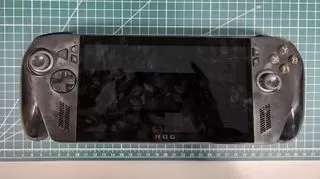 ASUS Project Kennan handheld next to a ROG Ally
Leaked images, like those seen by the U.S. FCC, suggest this partner device with ASUS (codenamed Kennan) could be the first of several third-party devices designed with closer Xbox integration in mind.
What Does This Mean for Gamers?
For gamers who own or are considering Windows handhelds like the ASUS ROG Ally or Lenovo Legion Go, this shift is potentially great news. The increased collaboration between Xbox and Windows teams should lead to a more optimized experience, making things like launching games, using the Xbox app, and features like Xbox Play Anywhere run better on these devices. The goal is to make your portable Windows gaming experience less about troubleshooting and more about playing.
What About Microsoft’s Own Handheld?
It’s important to note that Microsoft hasn’t abandoned the idea of its own Xbox handheld entirely. Sources indicate they are still heavily investing in the underlying technology for a native Xbox handheld experience, just not building the device itself right now. This is a matter of prioritizing current resources to tackle the most pressing software needs first, particularly in response to competition.
Cloud Gaming Updates
Beyond local gaming on handhelds, Microsoft is also working on its next-generation cloud gaming platform. The aim is to improve latency and performance to better compete with services like NVIDIA GeForce Now, which currently sets a high bar for streaming quality. Platforms like the Steam Deck recently getting a native GeForce Now app highlight the competitive landscape in portable gaming and cloud streaming. Microsoft previously cancelled a cloud-focused mini console called Hobart, indicating a continued evolution in their streaming hardware strategy.
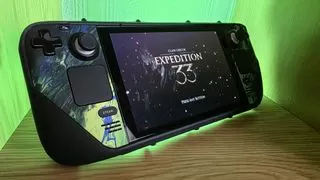 Steam Deck running NVIDIA GeForce Now
The success and increasing presence of the Steam Deck, along with the growing capabilities of SteamOS, represent a significant challenge in the portable PC gaming space. This competitive pressure is likely a major factor influencing Microsoft’s decision to shore up the Windows handheld experience.
The Bigger Picture: Why Handhelds Matter Now
The portable gaming market is booming, largely thanks to the success of devices like the Steam Deck. Valve’s SteamOS platform is proving to be a strong competitor to Windows in this space, offering compelling gaming performance and battery life on handhelds. Microsoft clearly sees the importance of this market and is reorganizing its efforts to ensure it has a strong presence, even if it means supporting partners first before launching its own hardware. While Microsoft’s content library and services like Xbox Game Pass are undeniably strong, the delivery platform for that content on portable devices is a key area for improvement.
Conclusion
So, the takeaway is clear: While an official Microsoft-built Xbox handheld isn’t happening in the immediate future, the company is doubling down on making the Windows handheld experience better for devices from partners like ASUS and Lenovo. This move, influenced by the competitive landscape led by the Steam Deck, aims to ensure Xbox gaming, Game Pass, and Cloud Gaming are fantastic on portable PCs. Keep an eye out for upcoming Windows handhelds and software updates – the focus is now on making your existing or next portable Windows device a much better place to play.