Newly revealed records show that significant damage sustained by Canada’s most advanced military submarine, HMCS Corner Brook, during a 2020 dry dock test at Victoria Shipyards on Vancouver Island resulted from a series of preventable errors. These failures included a lack of essential equipment, poor communication, and pressure to expedite the work. The incident added costs and delays to the submarine’s extended refit period.
Contents
- Inside the 2020 Submarine Incident
- The Test Day Timeline
- Identified Causes of Damage
- The Extent of the Damage
- Background on HMCS Corner Brook and Canada’s Submarine Fleet
- History of Issues and Delays
- Contributing Factors and Consequences
- Pressure and Scheduling
- Costs and Legal Disputes
- Broader Implications for Canadian Defence
- Defence Spending and Capacity
- Strategic Importance of Submarines
Inside the 2020 Submarine Incident
The incident occurred on March 7, 2020, during hydrostatic testing of the submarine’s ballast tanks. The HMCS Corner Brook was undergoing a lengthy repair and modernization period at Victoria Shipyards.
Hydrostatic testing is a critical procedure to ensure the structural integrity of tanks designed to hold large volumes of water. The ballast tanks are vital for controlling the submarine’s buoyancy, allowing it to surface and submerge.
The Test Day Timeline
The testing began later than scheduled due to cleanliness issues in the work area. When workers attempted to fill the ballast tanks with approximately 30,000 liters of water, they discovered necessary relief valves were not available on site. Despite this, the test proceeded with additional personnel assigned for oversight.
By late afternoon, the tanks reached the planned test pressure. A senior test specialist then left, reportedly without clear communication or formal handover of the test director role.
Later in the evening, workers connected an air compressor to a ballast tank. This method, used to speed up the process of emptying the tank, was later determined to be unsanctioned. Within minutes, workers observed structural damage and a water leak.
Identified Causes of Damage
A subsequent investigation commissioned by the lead contractor, Babcock Canada, identified a chain of failures. Key factors included:
- Missing Equipment: The absence of specific relief valves needed for the planned test procedure.
- Communication Breakdown: Unclear handover of responsibility for overseeing the complex hydrostatic test.
- Unsanctioned Procedure: The use of an air compressor to pressurize the tank, which was not part of the approved test plan.
These issues led to the inadvertent overpressurization of a main ballast tank.
The Extent of the Damage
The overpressurization caused a thumb-sized hole linked to a leak in the ballast tank. Documents submitted in a later court case indicated significant damage, deformation, and separation of internal bulkheads within the submarine.
Investigators also discovered a high-pressure nitrogen bottle left inside a ballast tank during testing, posing a serious hazard to personnel and the vessel.
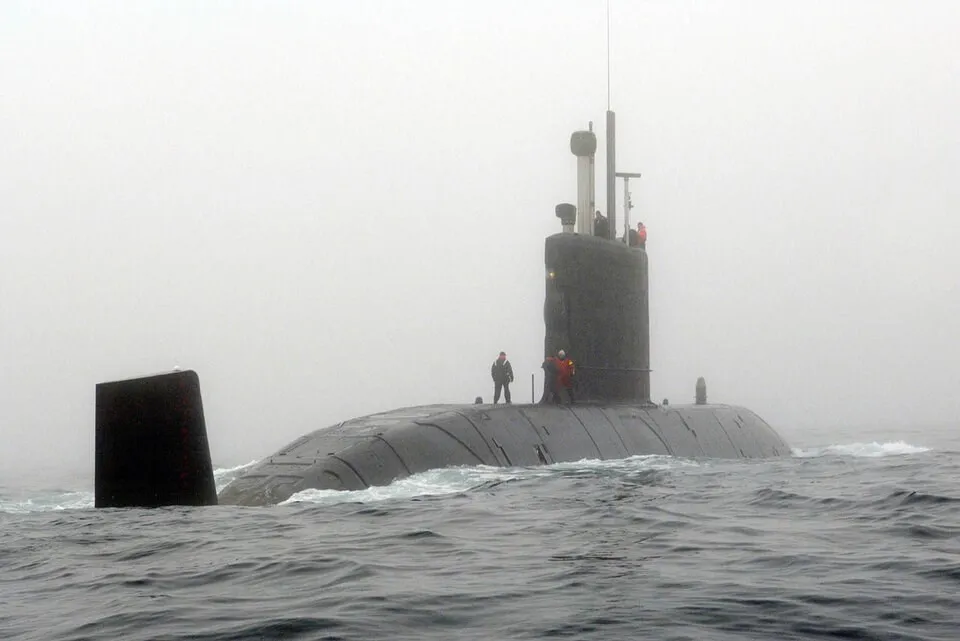 HMCS Corner Brook at sea in 2007
Background on HMCS Corner Brook and Canada’s Submarine Fleet
HMCS Corner Brook is one of four Victoria-class diesel-electric submarines acquired by Canada from the United Kingdom in 1998. These hunter-killer submarines form a key part of the Royal Canadian Navy’s fleet.
History of Issues and Delays
Since their purchase, the Victoria-class submarines have faced numerous mechanical and electrical issues. The fleet has spent considerably more time in refits and repairs than in active service.
The refit for HMCS Corner Brook began around 2015-2016 and was initially expected to finish by 2016. However, the project faced multiple delays, including a fire in 2019 and the 2020 hydrostatic test incident.
Babcock Canada has held a long-term in-service support contract for the submarines since 2008. The company is responsible for maintenance, repair, and overhaul work. Victoria Shipyards, a Seaspan subsidiary, was contracted to provide the ‘blue-collar’ labor for the refit, working under Babcock’s supervision.
Concerns about hydrostatic testing had been raised internally at Babcock prior to the accident, with one manager noting a lack of understanding and oversight for the high-risk tests in early 2020.
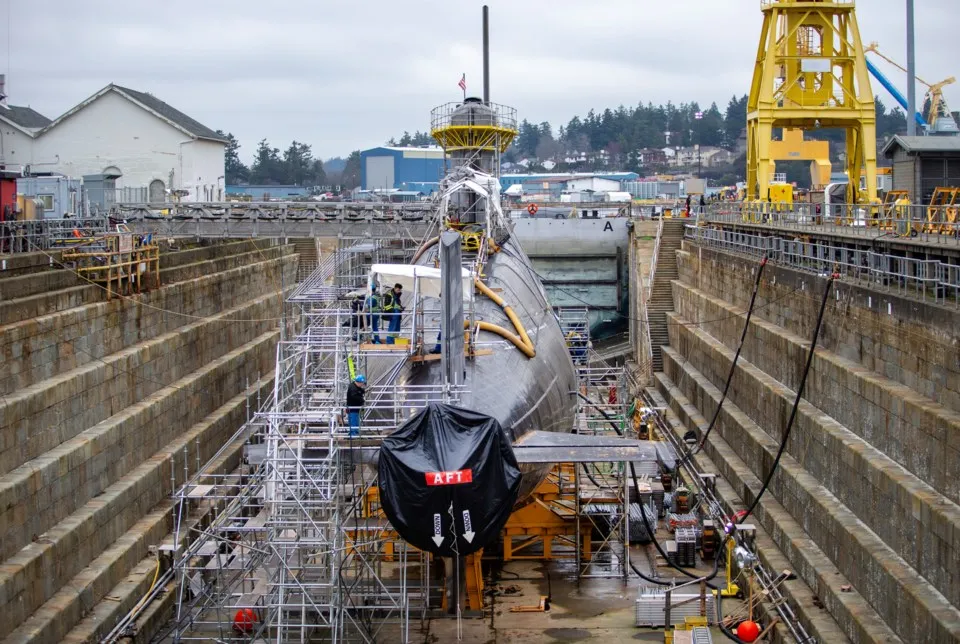 Submarine HMCS Corner Brook in dry dock in December 2023
Contributing Factors and Consequences
The investigation into the 2020 incident highlighted the environment in which the test took place, pointing to pressures felt by the shipyard workers and management.
Pressure and Scheduling
While data on overtime was unavailable, interviews indicated significant job stress. The hydrostatic testing, originally planned for two days, was compressed into a single 24-hour period.
One perceived pressure factor was a local noise bylaw, which workers believed would prevent the use of an external air compressor after 11:30 p.m. However, a spokesperson for the Township of Esquimalt stated that its noise bylaws do not apply to the shipyard or the navy base, raising questions about whether this perceived constraint was accurate or applicable.
Military experts have criticized the idea that a crucial military test could be rushed due to a potential municipal bylaw, viewing it as indicative of deeper systemic issues.
Costs and Legal Disputes
The extensive repairs to HMCS Corner Brook have cost the federal government at least $715 million, a figure encompassing the entire refit period, not solely the damage from the 2020 incident. The 2020 incident itself caused a 44-day delay in the ongoing repair schedule.
Following the damage, Babcock Canada became involved in a legal dispute with one of its insurers, Lloyd’s Underwriters, over who was responsible for covering the significant repair costs. Babcock argued the damage should be covered by an insurance policy held by Victoria Shipyards. Lloyd’s countered that Babcock, as the lead contractor with personnel on site, was ultimately responsible.
The case was settled out of court in April 2025. While the full cost of the 2020 damage was not publicly disclosed, court documents confirmed Babcock was compensated for the damage by a separate insurance policy with CNA Canada. Babcock stated it accepted responsibility for the direct repair costs and completed the necessary work.
After years of repairs and upgrades, HMCS Corner Brook returned to active service in April 2025, significantly behind its initial schedule. The Royal Canadian Navy now describes the 34-year-old vessel as Canada’s most advanced military submarine.
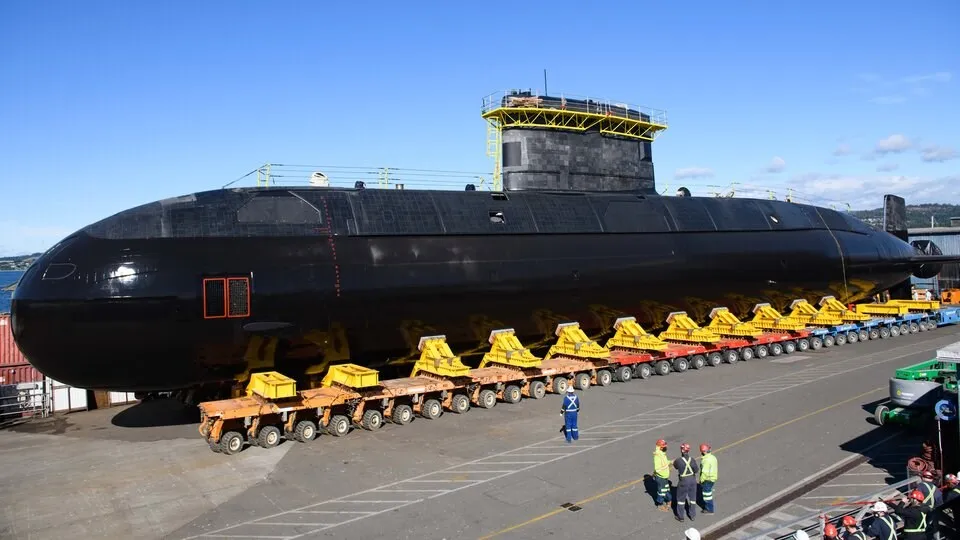 HMCS Corner Brook undocking process in June 2021
Broader Implications for Canadian Defence
The incident involving HMCS Corner Brook highlights ongoing challenges within Canada’s defence procurement and maintenance systems.
Defence Spending and Capacity
The details emerge as Canada has pledged to increase its defence spending significantly to meet the NATO target of two percent of GDP by March 2026. Recent announcements include billions for new military platforms and upgrades.
Experts argue that achieving increased defence capability requires not just funding but also a robust domestic defence industrial base capable of building and maintaining complex assets like submarines. Some view incidents like the one with HMCS Corner Brook as symptomatic of a system struggling with maintenance and overhaul due to factors like insufficient budgets and staffing in the industrial sector.
Strategic Importance of Submarines
Despite maintenance challenges, military analysts emphasize the critical strategic role of submarines for Canadian defence. They are seen as vital for coastal defence, particularly in the Arctic, and as a valuable contribution to NATO operations and deterrence against potential adversaries.
Canada is planning to acquire a new fleet of up to 12 conventionally-powered submarines by 2035. The process of integrating these new vessels into Canada’s industrial and supply chain capacity is viewed as a major test for the country’s defence infrastructure.
The incident with HMCS Corner Brook serves as a reminder of the complexities and potential pitfalls in maintaining and operating advanced military technology, underscoring the need for stringent procedures, clear communication, and adequate resources.
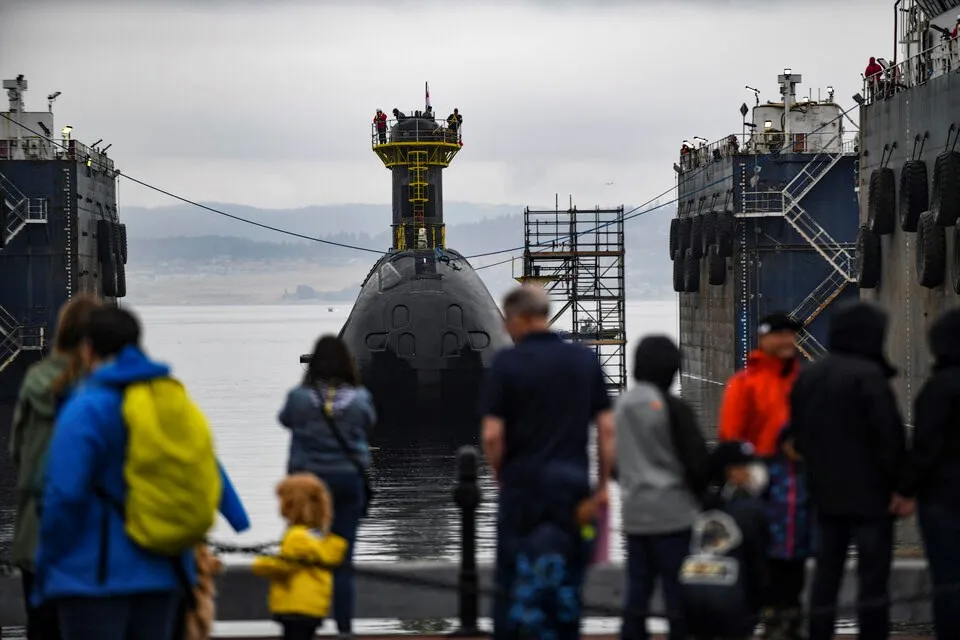 HMCS Corner Brook refloated off Ogden Point, B.C., in 2021