A series of bomb and gun attacks in southwestern Colombia, primarily targeting the city of Cali and nearby towns, has reportedly resulted in at least seven deaths and dozens injured. The incidents, which involved car bombs, motorcycle bombs, rifle fire, and possibly a drone, have heightened concerns about the security situation in the region.
What Happened
According to local media reports, waves of attacks struck multiple locations in the Valle del Cauca and Cauca regions of Colombia. Targets reportedly included police stations, municipal buildings, and civilian areas. The attacks occurred on [Specify date/period if mentioned in original, but the original doesn’t give a specific date beyond ‘today’ implied by “live”]. Police sources cited by Reuters and Agence France-Presse put the death toll at seven, including two police officers. The number of injured varied in reports, ranging from 28 to over 50.
The Colombian Ministry of Defence stated that 19 attacks took place – 12 in the Cauca region and seven in Valle del Cauca. The scale and coordination of the incidents marked a significant escalation in violence.
Who is Responsible?
Local media outlets have attributed some of the attacks to a faction of the Revolutionary Armed Forces of Colombia (FARC). FARC was a powerful guerrilla group that signed a peace agreement with the Colombian government in 2016, but several dissident factions rejected the accord and continue to operate, often involved in illegal activities like drug trafficking and illegal mining. The BBC could not independently verify this claim.
The Ministry of Defence described the violence as a “desperate reaction by illegal armed groups to the massive operations of the [military and police], which have devastated their illicit structures and economies.” This suggests the government views the attacks as retaliation by criminal or dissident groups pressured by state forces.
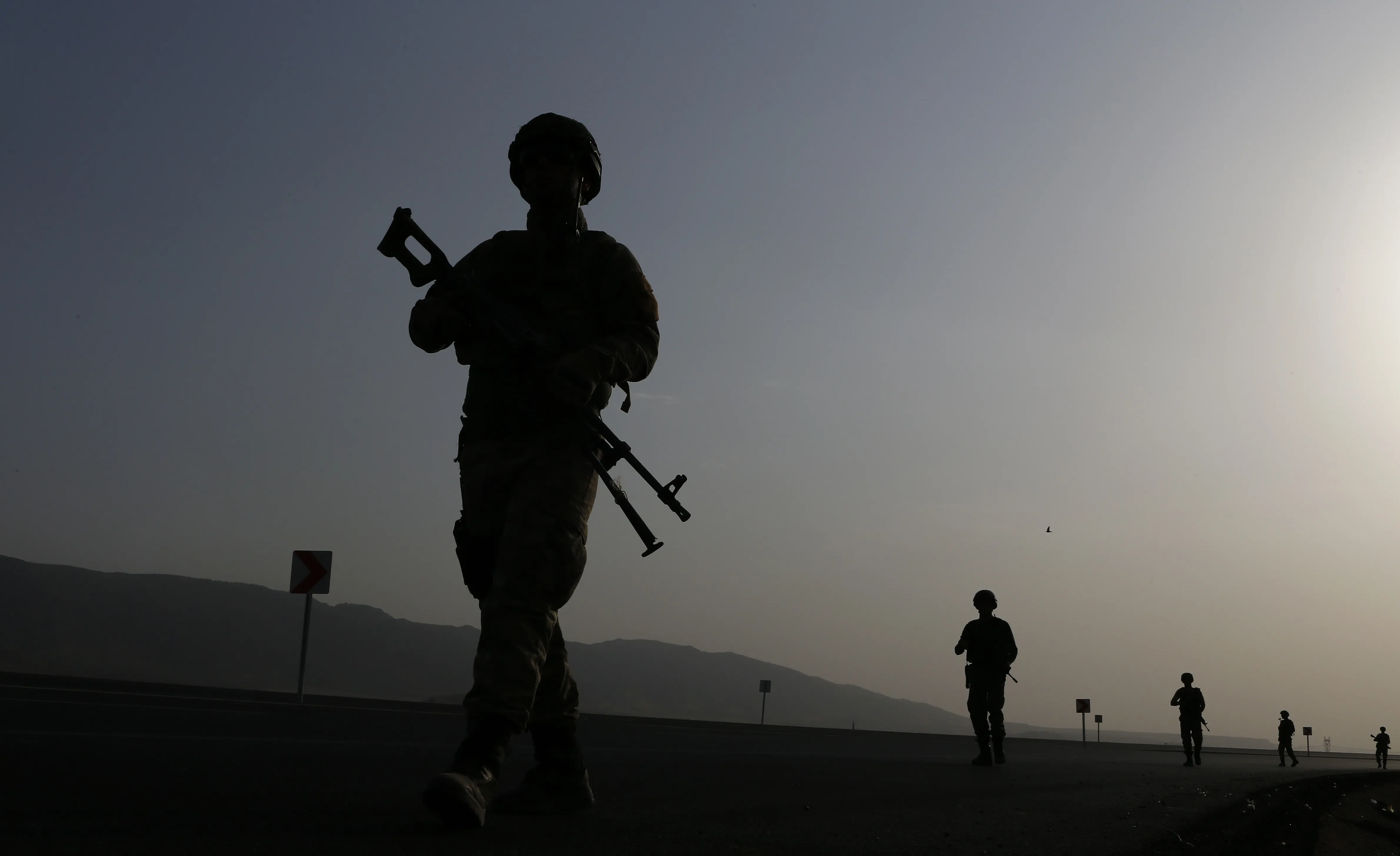
 Colombian soldier stands guard near a burnt vehicle following attacks in southwest Colombia
Context and Concerns
The attacks have drawn comparisons to earlier periods of intense violence in Colombia. The mayor of Cali reportedly stated the city felt reminiscent of 1989, a time marked by significant drug trade and cartel violence.
This surge in violence comes just days after an attempted assassination in the capital city, Bogota. Presidential candidate Miguel Uribe Turbay was targeted while addressing supporters. A 15-year-old was arrested in connection with that incident, though the teenager has reportedly not accepted the charges, including attempted murder. A judge has ordered the teenager’s detention.
The recent events underscore the ongoing security challenges facing Colombia, particularly in regions where illegal armed groups maintain a presence despite the 2016 peace accord with the main FARC body. The government continues military and police operations to counter these groups, leading to periods of heightened conflict.
What Happens Next?
Authorities are investigating the specific groups responsible for the recent attacks and assessing the full extent of the damage and casualties. The government is expected to continue its security operations targeting illegal armed groups. The attacks raise questions about the stability of the security situation in parts of Colombia and the effectiveness of ongoing efforts to consolidate peace and state control in areas affected by conflict.