Heavy flooding has killed at least 115 people and destroyed thousands of homes in Mokwa, Niger State, northcentral Nigeria. The disaster, triggered by torrential rains and a nearby dam collapse, highlights the country’s vulnerability to severe weather during its annual rainy season. Many people remain missing, and the death toll is expected to rise as rescue efforts continue.
Contents
Understanding the Disaster
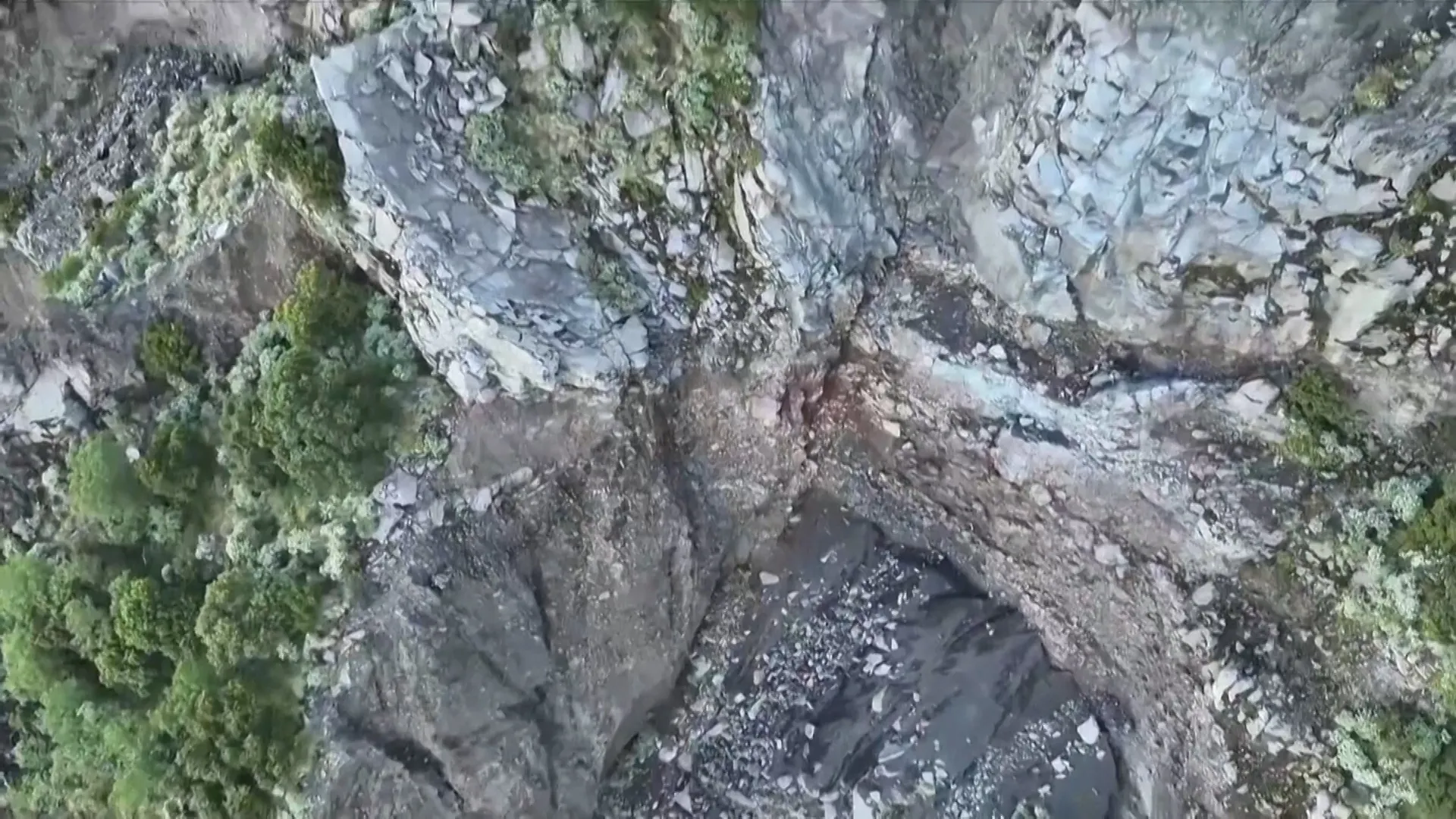
The floods struck late Wednesday after hours of torrential rain battered the market town of Mokwa. The situation was worsened by the collapse of a dam in a nearby area, sending a surge of water through the town. The deluge washed away numerous homes, leaving residents displaced and many still unaccounted for.
 Map showing the location of Mokwa town in Niger State, northcentral Nigeria, affected by recent deadly floods
Mokwa is a key meeting and transit point for traders from southern Nigeria and food producers in the north, making the disruption particularly impactful.
Rising Toll and Ongoing Challenges
Emergency services report a grim and rising death toll. As of Friday, at least 115 bodies had been recovered. Ibrahim Audu Husseini, a spokesman for the Niger State Emergency Management Agency (SEMA), told AFP that this number is expected to increase as rescue efforts continue downstream along the River Niger. “The toll keeps rising,” he stated.
Husseini Isah, head of the operations office in Minna, the state capital, noted that many people were still in peril. Rescue operations are complicated by the scale of the disaster and the recurring nature of such events.
Stories from the Ground
The human cost of the flooding is deeply felt by residents. Mohammed Tanko, a 29-year-old civil servant, shared that he lost at least 15 family members from his childhood home. “The property [is] gone. We lost everything,” Tanko told reporters.
Fisherman Danjuma Shaba, 35, lost his house to the floods and has been forced to sleep in a car park. “I don’t have a house to sleep in. My house has already collapsed,” Shaba told AFP.
Why This Happens: Context and Contributing Factors
Heavy rainfall and subsequent flooding are a significant challenge Nigeria faces every year during its roughly six-month rainy season, which typically begins around May.
Experts and observers, like Al Jazeera’s Ahmed Idris reporting from Abuja, point to several factors contributing to the recurring devastation. These include inadequate drainage systems in many areas and communities living in flood-prone locations along river banks. Warnings are often issued for residents in vulnerable areas to move to higher ground ahead of peak rains, but the continuous cycle of destruction leads some to believe the situation will not be different each year.
The Nigerian Meteorological Agency (NiMet) had warned of possible flash floods in 15 of Nigeria’s 36 states, including Niger State, between Wednesday and Friday, highlighting the anticipated risk.
Broader Perspective: Climate Change and Future Risks
Beyond local factors, scientists warn that climate change is contributing to more frequent and intense extreme weather events globally, including heavy rainfall that exacerbates flooding risks in regions like Nigeria.
Scientists link rising global temperatures to more frequent and intense extreme weather events, including the kind of heavy rainfall that exacerbates flooding risks in regions like Nigeria. Read more about how climate change adds extra months of extreme heat.
Previous Floods in Nigeria
Nigeria has a history of devastating floods. In September 2024, severe flooding in Maiduguri, northeastern Nigeria, caused by heavy rains and a dam collapse, resulted in at least 30 deaths and displaced millions. The country experienced one of its worst floods in decades in 2023, which killed over 1,200 people and displaced 1.2 million across at least 31 states, according to the National Emergency Management Agency.
Conclusion
The deadly floods in Mokwa underscore the severe impact of heavy rainfall and inadequate infrastructure in Nigeria during the rainy season. As the country enters peak rainfall periods, vulnerable communities face continued risks from rising waters.
For more context on severe weather events in Nigeria and the broader impact of climate change, explore our related reporting.