A powerful EF-4 tornado struck parts of Kentucky and Arkansas just after midnight on May 17, 2025, resulting in significant destruction, numerous injuries, and approximately 20 fatalities. The severe weather event, with winds reaching up to 170 miles per hour, tore through several communities, causing widespread damage to homes and infrastructure.
Contents
Impact and Casualties
The tornado carved a destructive path across multiple counties in Kentucky, including Laurel, Pulaski, and Russell, and affected areas in Arkansas. At least 19 deaths have been reported in total, with 17 fatalities occurring in Laurel County, Kentucky. The storm’s intensity left entire neighborhoods in ruins, highlighting the sudden and devastating power of tornadoes.
Emergency responders and neighbors immediately began searching for survivors amidst the rubble following the storm. The scale of the damage required extensive cleanup efforts and community support.
The Story of Gail and Paul Cline
Among the many individuals impacted by the tornado were Gail and Paul Cline, a couple from London, Kentucky. Their home, which had been in their family for generations, was demolished by the storm’s force. According to their nieces, Brandy Bowman and Taylor Baker, the couple was in their bedroom when the tornado hit.
In a tragic account reported by NBC-affiliated Lex 18, doctors in Laurel County indicated that Gail and Paul sustained severe injuries, losing arms while they were holding onto each other during the tornado. They were trapped inside their destroyed home before being located and pulled to safety by a neighbor who heard their calls for help.
Gail Cline was placed on life support in a medically induced coma at London Hospital due to her critical injuries. Paul Cline also suffered injuries, though his condition has reportedly improved. However, his family noted that he remains confused about the events that transpired, partly due to having dementia.
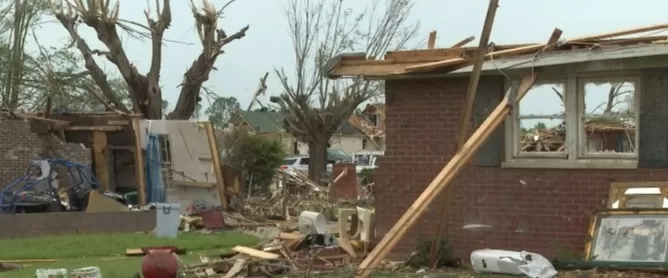 Damaged house after a tornado, showing extensive destruction.
Family members have described the immense fear the couple must have experienced. The house sustained catastrophic damage, with sections of walls collapsed and the roof destroyed.
Community Response and Support
In the wake of the disaster, the Cline family launched an online fundraiser to help cover the significant medical expenses and the loss of their home and belongings. The community has shown support, with donations helping the family as they face recovery challenges. The nieces also described the emotional impact of seeing their childhood home destroyed.
Other stories of loss and heroism emerged from the affected areas. Firefighter Leslie Leatherman, 57, a major with the Laurel County Fire Department, was among the fatalities. He died while reportedly shielding his wife, Michelle, from flying debris. Michelle Leatherman survived but was in critical condition following the incident. Officials like Pat White Jr., Whitley County Judge-Executive, paid tribute to Leatherman’s dedication and impact.
Understanding Tornadoes and the EF Scale
Tornadoes are violently rotating columns of air that touch the ground and are considered among nature’s most powerful storms. They can form rapidly and cause immense destruction in seconds. While they can occur at any time of year, the spring and summer months often see increased tornado activity.
The intensity of tornadoes is measured using the Enhanced Fujita (EF) Scale, which rates storms from EF0 to EF5 based on the damage they cause.
 Diagram showing categories of the Enhanced Fujita (EF) Scale for tornadoes.
- EF0: 65-85 mph (105-138 kph)
- EF1: 86-110 mph (139-177 kph)
- EF2: 111-135 mph (178-217 kph)
- EF3: 136-165 mph (218-266 kph)
- EF4: 166-200 mph (267-322 kph)
- EF5: Over 200 mph (Over 322 kph)
The tornado that struck Kentucky and Arkansas was rated as an EF-4, indicating winds between 166 and 200 mph, consistent with the severe damage observed. The path of destruction extended over 55 miles and was reportedly about a mile wide at its peak.
Ongoing Recovery Efforts
Cleanup and recovery efforts are underway in the affected regions, with volunteers assisting residents with clearing debris and providing essential supplies. The tornado left a lasting impact on the communities, highlighting both the vulnerability to extreme weather and the strength of community bonds in times of crisis.