The Dutch coalition government collapsed on Tuesday, June 4, 2025, after far-right politician Geert Wilders withdrew his Party for Freedom (PVV) over a dispute regarding proposed anti-immigration measures. This decision prompted the resignation of Prime Minister Dick Schoof and his cabinet, setting the stage for potential early elections.
Contents
The collapse highlights deep disagreements within the right-wing alliance over asylum policy and has immediate consequences for the Netherlands’ political stability and international commitments.
Why the Dutch Government Collapsed
Geert Wilders announced the withdrawal of his PVV party from the coalition government after less than a year. He stated the other three parties in the alliance did not support his plans to significantly toughen asylum policies for refugees.
“No signature under our asylum plans. The PVV leaves the coalition,” Wilders posted on social media after a meeting with coalition leaders. The coalition included the PVV, the People’s Party for Freedom and Democracy (VVD), the Farmer-Citizen Movement (BBB), and the New Social Contract (NSC).
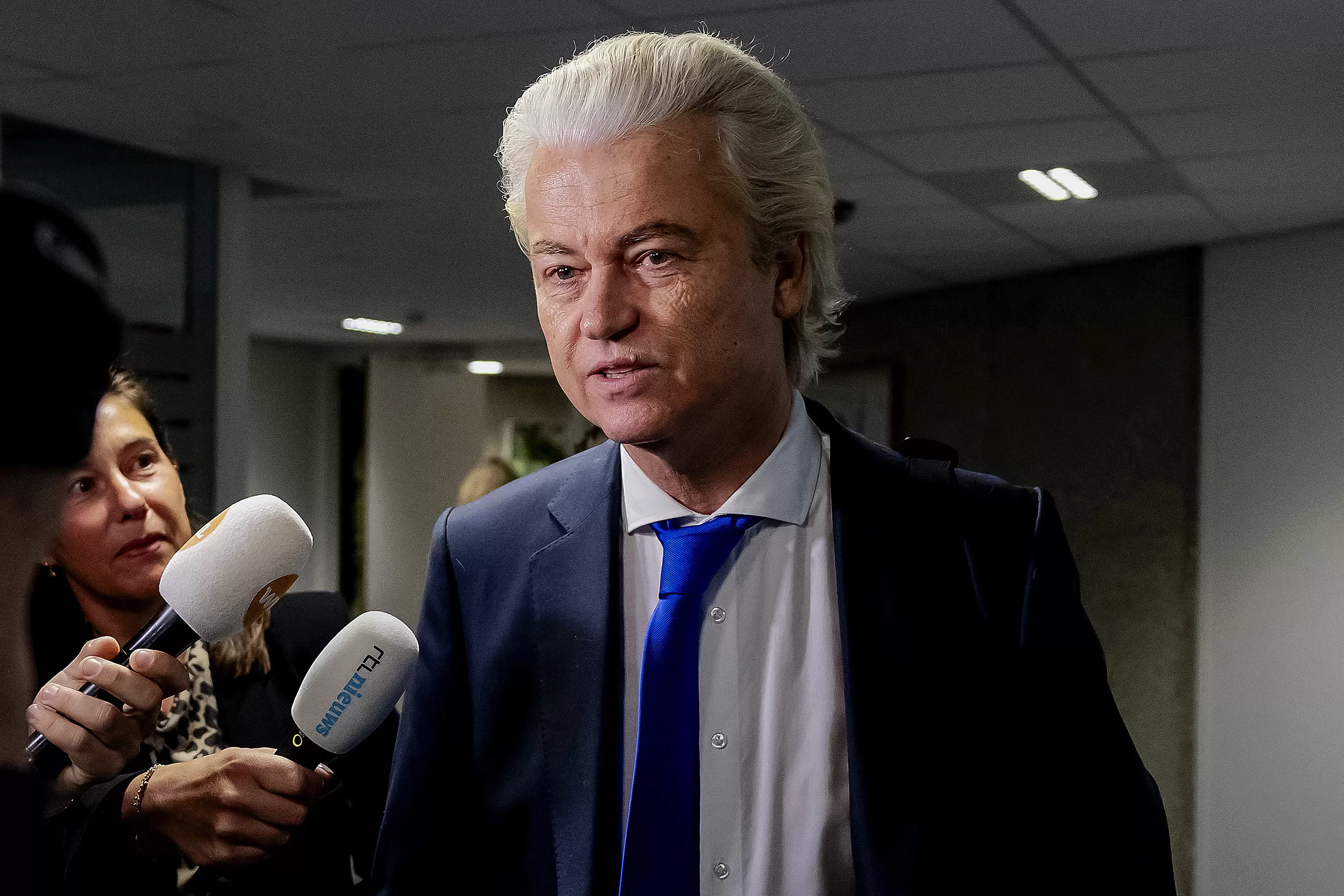 Dutch far-right leader Geert Wilders addressing the media after the collapse of the coalition government.
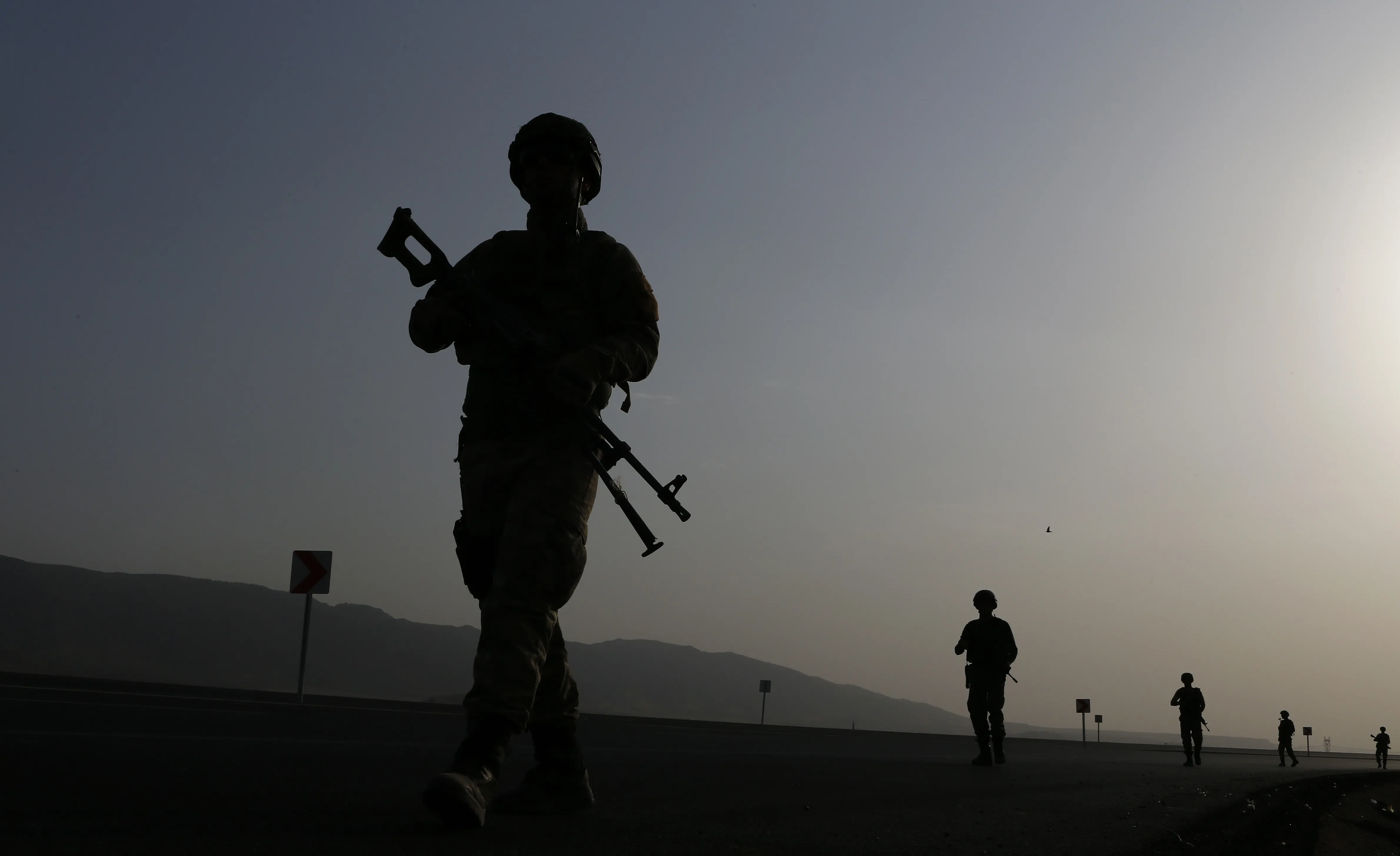
Wilders had previously proposed a 10-point plan on May 26 aimed at drastically reducing migration. This plan included deploying army officials to land borders and rejecting all asylum seekers. At the time, he warned his party would leave the coalition if migration policies were not strengthened. For more on the lead-up, see Dutch government collapses over asylum dispute.
The four parties initially held 88 seats in the 150-seat House of Representatives. The PVV emerged as the largest party in the November 2023 election, securing 37 seats out of a total of 150. For context on the election outcome, read Why Wilders won election boosts Dutch far right but what happens next. With the PVV’s withdrawal, the remaining coalition partners hold only 51 seats, significantly below the 76-seat majority threshold.
PM Dick Schoof Steps Down
Following Wilders’ announcement, an emergency cabinet meeting was convened. Prime Minister Dick Schoof announced his resignation just hours after the PVV withdrew its support.
Schoof stated in the meeting, “I have told party leaders repeatedly in recent days that the collapse of the cabinet would be unnecessary and irresponsible. We are facing major challenges both nationally and internationally that require decisiveness from us.” The resignation means Dutch PM Schoof resigns after far-right Wilders quits coalition.
Reactions from Other Dutch Leaders
Leaders of the other coalition parties criticized Wilders’ decision. Dilan Yesilgoz, leader of the VVD (24 seats), called his actions “irresponsible,” arguing that he prioritized political interests over the country’s needs, especially with ongoing conflict in Europe.
Nicolien van Vroonhoven, leader of the NSC (20 seats), echoed this sentiment, calling the government’s collapse at this juncture “irresponsible.” Meanwhile, Frans Timmermans, head of the opposition GreenLeft-Labour alliance, suggested that early elections appear to be the only path to forming a stable government.
What Happens Next in Dutch Politics?
Prime Minister Schoof is expected to formally submit his resignation to the head of state, Dutch King Willem-Alexander. This typically triggers the process for calling new elections. Based on past cycles, elections are likely to be held in October or November 2025.
Recent polls from May 31 indicate a slight decrease in support for Wilders’ PVV since the 2023 election, polling around 20 percent compared to 23 percent previously. This places the PVV nearly level with the GreenLeft-Labour alliance, which polls at 19 percent and holds 25 seats in the House of Representatives.
The Dutch political landscape is characterized by fragmentation, making it challenging to predict election outcomes. Historically, no single party has won the 76-seat majority required to govern alone since direct elections began in 1848. Forming a coalition government typically involves lengthy negotiations, often taking months.
Netherlands Under Caretaker Government
Prime Minister Schoof and his cabinet ministers will continue in their roles as a caretaker government until a new government is formed after the elections.
The political crisis occurs as the Netherlands prepares to host a NATO leaders’ summit in The Hague on June 24-25. The current NATO Secretary-General, Mark Rutte, is the former Dutch Prime Minister who served from 2010 to 2024.
The caretaker government is also involved in ongoing European initiatives, including efforts to support Ukraine in its conflict with Russia. In February, PM Schoof attended a meeting with European leaders in Paris where security guarantees for Ukraine were discussed. For related context, see European efforts for Ukraine support and Meeting with European leaders warn against Ukraine ceasefire.
The government collapse stems directly from policy disagreements on immigration, leading to political instability and the prospect of early elections in the Netherlands. A caretaker government will manage affairs until a new coalition can be formed.
For more updates on this developing story, explore our related articles.