Palestinian group Hamas has claimed that a recent ceasefire proposal, relayed by a United States envoy, differs significantly from a previous version they had accepted, leading to a current impasse in negotiations aimed at ending the conflict in Gaza. Hamas states it responded positively to the latest plan but included key provisions, which the US and Israel have deemed unacceptable. The lack of guaranteed terms for a permanent end to hostilities remains a central point of contention.
Contents
Key takeaways include:
- Hamas seeks a guaranteed pathway to a permanent ceasefire and full Israeli troop withdrawal.
- The US and Israel support a temporary pause framework that Hamas fears allows Israel to resume the war.
- Disagreements persist over the timeline and conditions for captive releases and humanitarian aid.
Hamas’s Position on the Proposal
According to Basem Naim, a senior Hamas official, the group “responded positively” to the proposal delivered by US special envoy Steve Witkoff. However, Naim stated that the offer provided “no guarantees to end the war,” which is a core demand for Hamas.
Hamas has clarified that its positive response included the addition of several key provisions not present, or different, in the US framework. These conditions aim to secure more concrete outcomes from any agreement.
Key Demands Made by Hamas
Hamas’s response to the US proposal centers on establishing a clear path toward ending the conflict permanently and ensuring the needs of the Palestinian population in Gaza are met.
The group’s primary demands include:
- Pathway to Permanent Ceasefire: Instead of a temporary pause, Hamas seeks assurances that the agreement will lead to a lasting cessation of hostilities, preventing Israel from unilaterally resuming military operations as they argue happened in the past.
- Full Withdrawal of Israeli Forces: Hamas demands the complete pullout of Israeli troops from the Gaza Strip.
- Resumption of Aid and Assistance: The group calls for unimpeded delivery of humanitarian aid and assistance to Gaza, which has faced severe shortages and a famine-like situation according to humanitarian groups.
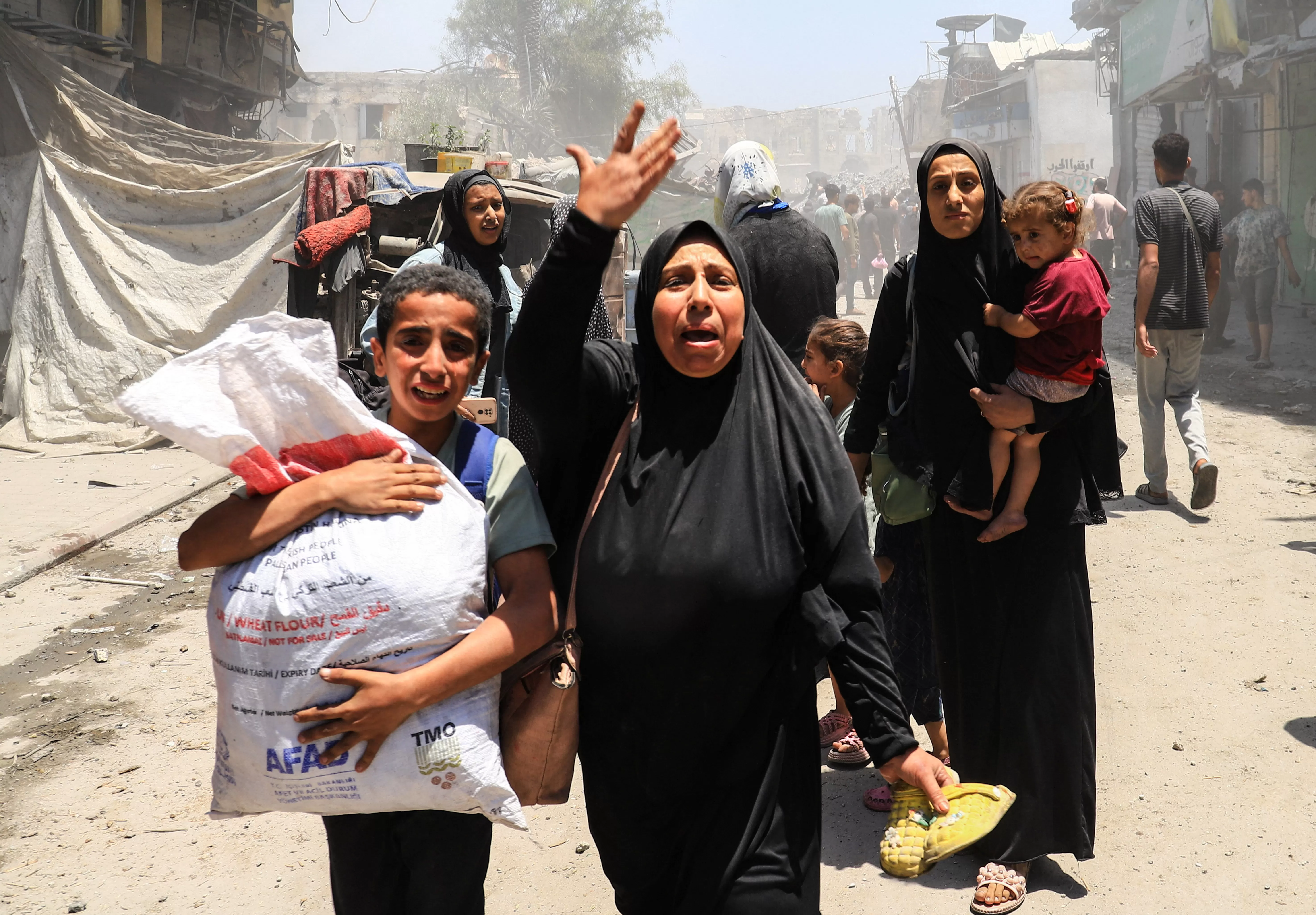 Palestinians evacuate in the aftermath of an Israeli attack on a house in Gaza CityPalestinians evacuate after an Israeli strike on a residential building in Gaza City, May 30, 2025.
Differences in the Proposals
The US proposal, relayed by Witkoff, reportedly outlined a 60-day pause in hostilities. Following this initial period, the parties were expected to negotiate extensions to the pause. Hamas’s concern stems from the possibility that Israel could end the pause and resume its offensive after a limited period or after captives are released.
The previous temporary ceasefire in March saw Israel reportedly imposing further restrictions on aid and renewing bombardment, raising distrust for Hamas negotiators. To mitigate this risk, Hamas seeks to tie the captive release timeline more directly to the implementation of a permanent ceasefire process and a full withdrawal.
The US plan reportedly called for the release of captives within a week of the 60-day pause beginning. Hamas has proposed staggering the release throughout the pause period, likely as leverage to ensure the ceasefire continues and progresses toward a permanent state.
Hamas also reportedly reinserted a provision from an earlier agreement draft (May 25) that Israel had removed. This provision suggested handing over the governance of Gaza to “an independent technocratic committee.”
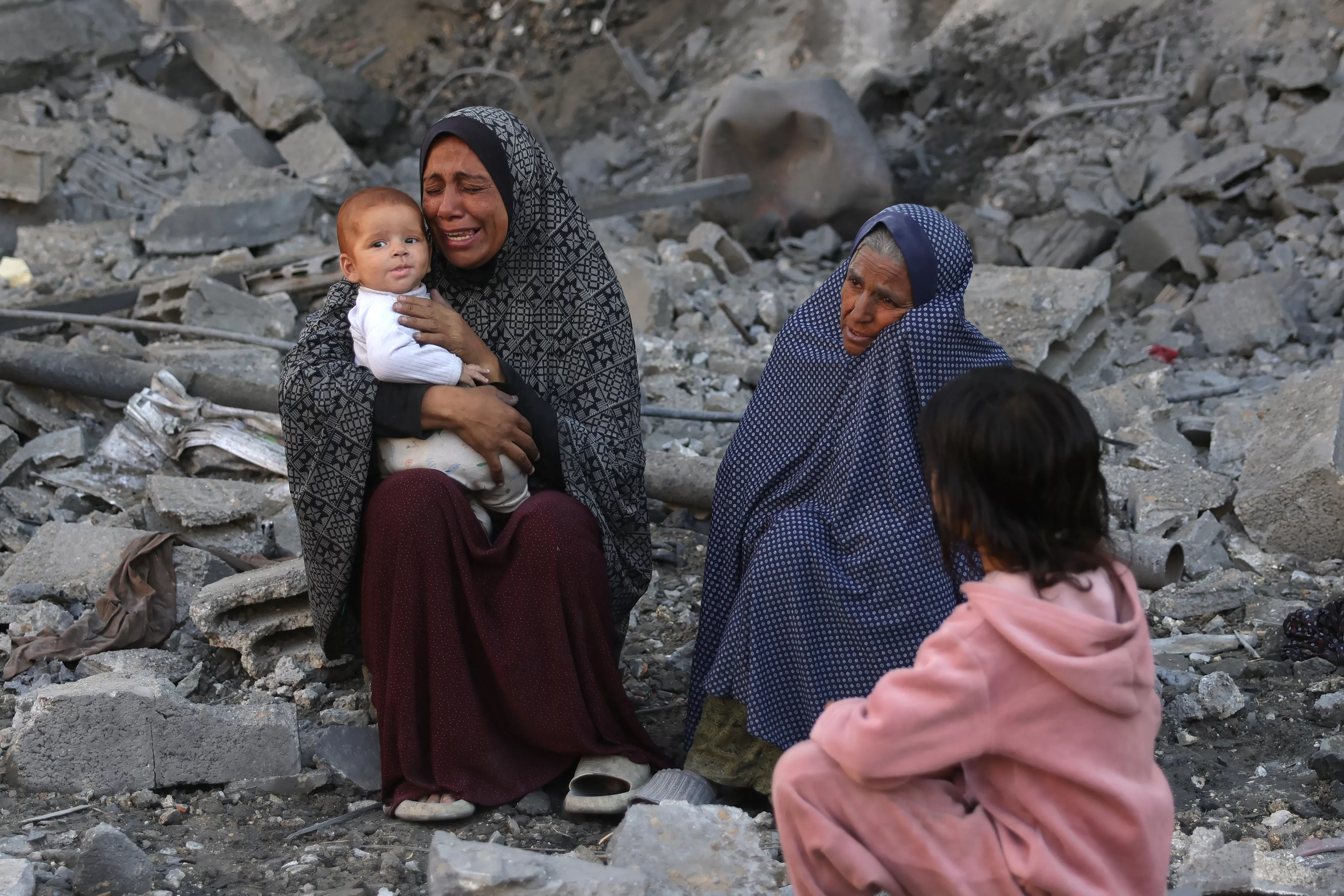 A woman holding a baby cries as Palestinians check the site of an overnight Israeli strike, in Jabalia in the central Gaza Strip, on May 30, 2025, amid the war between Israel and the Palestinian Hamas militant movement. IsraelA woman holding a baby in Jabalia reacts near a site struck by Israeli forces in the central Gaza Strip, May 30, 2025.
US and Israeli Reactions
Both the United States and Israel have publicly rejected Hamas’s additions to the proposal, stating that they set back the negotiation process.
US Special Envoy Steve Witkoff described Hamas’s response as “totally unacceptable” and stated it “only takes us backward.” He urged Hamas to accept the original framework as a basis for immediate “proximity talks” to finalize a 60-day ceasefire deal involving a phased release of captives and substantive negotiations towards a permanent ceasefire.
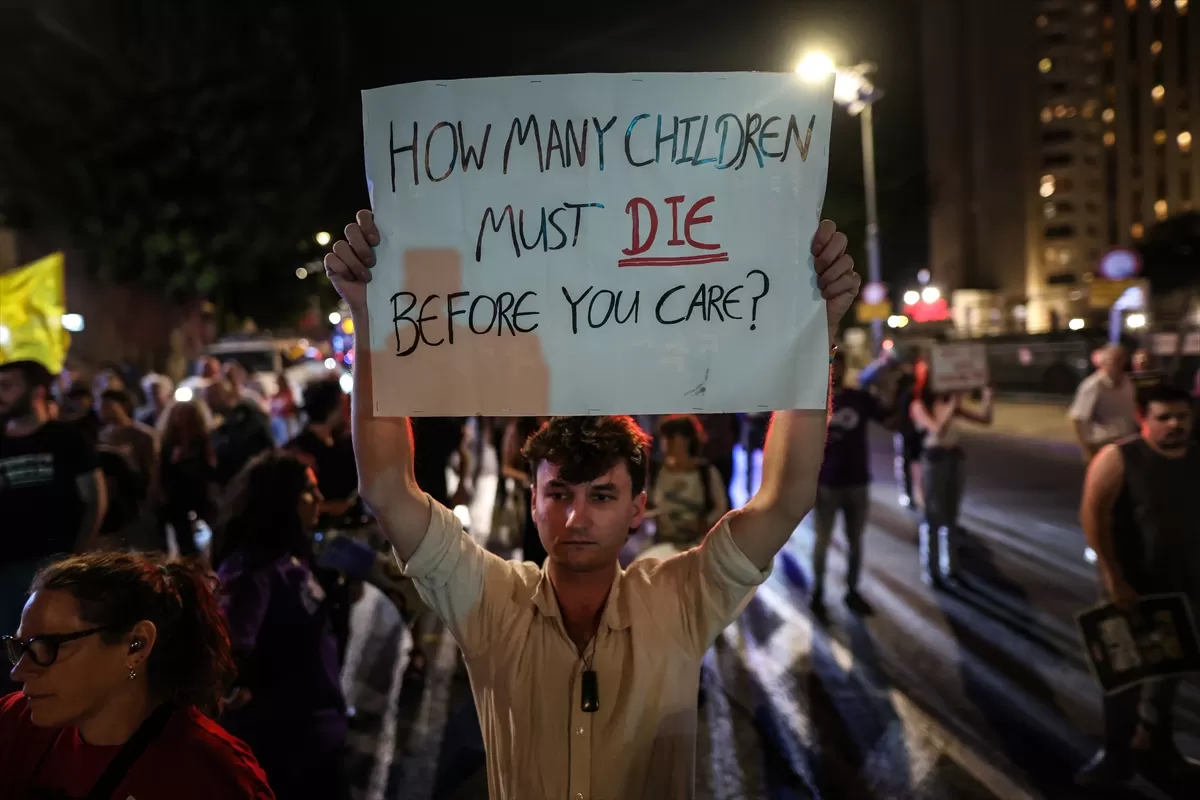 someone holds up a protest signIsraeli police officers interact with protesters in occupied West Jerusalem, May 31, 2025, during a demonstration.
Israeli Prime Minister Benjamin Netanyahu echoed Witkoff’s sentiment, stating that Hamas’s response was unacceptable. He affirmed that Israel would continue its military actions aimed at the return of captives and the “defeat of Hamas.” White House press secretary Karoline Leavitt indicated that Israel had “backed and supported” the US proposal before it was presented to Hamas.
A child receives treatment for severe malnutrition at Nasser Hospital in Khan Younis, southern Gaza Strip, May 31, 2025.
Why Hamas’s Demands Differ
Analysis suggests Hamas’s insistence on a permanent ceasefire and full withdrawal stems from a deep mistrust of Israel’s intentions based on past experiences. The group fears that any temporary pause would merely allow Israel to regroup before resuming its military campaign, potentially causing further destruction and loss of life in Gaza, where over 54,000 Palestinians have been killed since October 2023.
Tamer Qarmout, an associate professor at the Doha Institute for Graduate Studies, commented that negotiations appear to be taking place “with no good faith whatsoever.” He suggested Israel’s primary goal is the “capitulation and surrender” of Hamas, while Hamas is engaging to “try to reduce the horrors of the war” and seek a “dignified exit” rather than surrender.
What Happens Next
With Hamas’s counter-proposal rejected by the US and Israel, negotiations are currently stalled. Meanwhile, military actions in Gaza continue.
Recent reports indicate continued Israeli attacks across the territory. On Sunday, dozens of Palestinians were killed at aid distribution sites in Rafah and near the Netzarim Corridor. Residential areas in Gaza are also reported to be under bombardment.
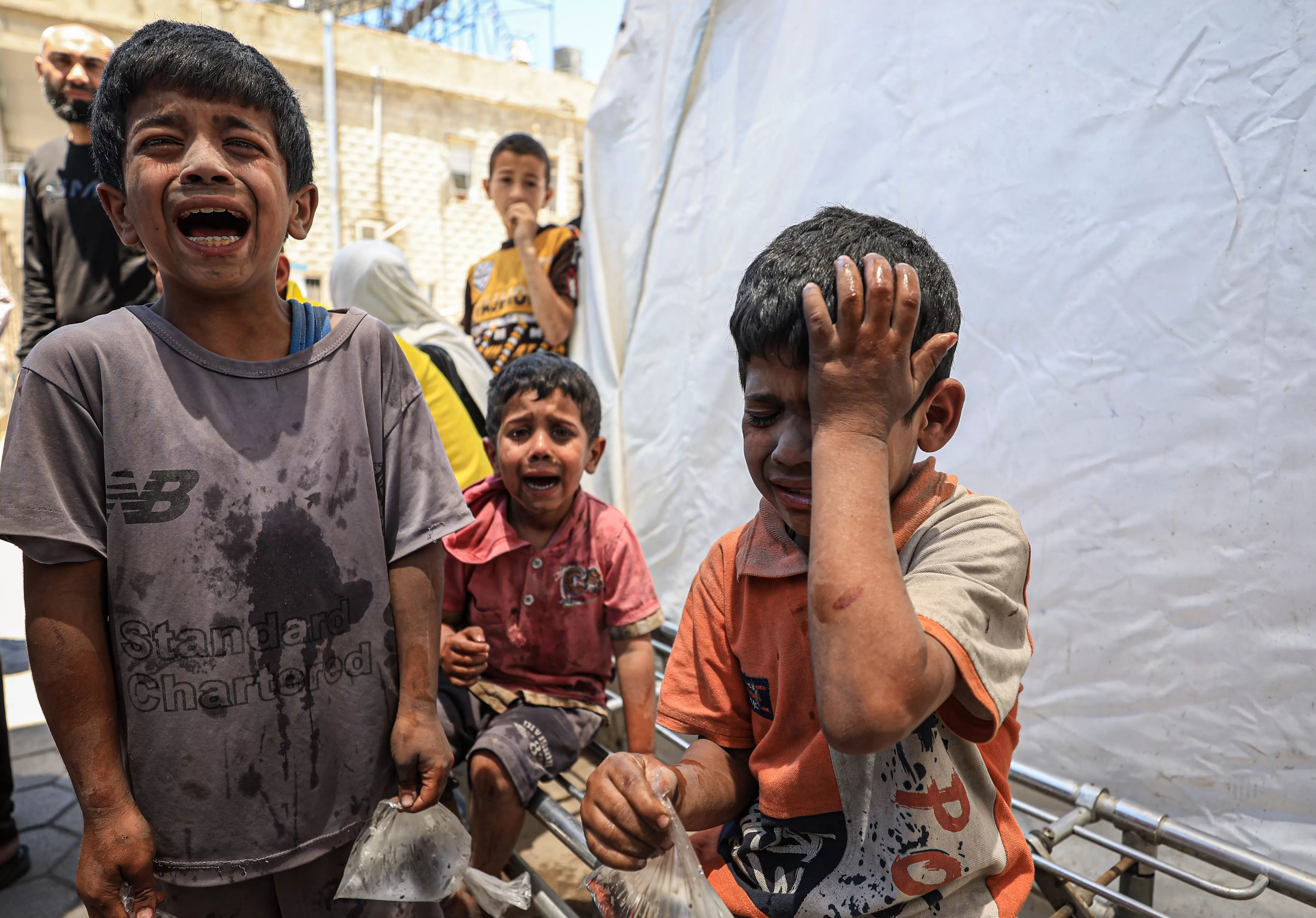 GAZA CITY, GAZA – MAY 29: Wounded Palestinians, including children and babies, are brought to the al-Ahli Baptist Hospital after attack by the Israeli military on the Zaytoun Quarter of Gaza Strip on May 29, 2025. ( Dawoud Abo Alkas – Anadolu Agency )Wounded Palestinians, including children and babies, are brought to Al-Ahli Arab Hospital following an Israeli attack in Gaza, May 29, 2025.
The future of ceasefire talks remains uncertain as long as the fundamental disagreements over the duration and conditions of a pause persist.
For ongoing updates on the conflict and ceasefire efforts, explore related stories.