Recent Iranian ballistic missile attacks on Israel have caused significant damage to critical civilian infrastructure, including the renowned Weizmann Institute of Science and Soroka Medical Center. These strikes, reportedly in retaliation for a prior Israeli military operation in Iran, have disrupted vital research, particularly in cancer studies, and severely impacted healthcare services in southern Israel, highlighting broader international implications.
Contents
Context of the Attacks
The missile strikes occurred following an Israeli military operation targeting elements within the Islamic Republic. Iran’s response involved launching ballistic missiles towards Israel, impacting various locations across the country. While initial reports focused on the strategic implications of the exchange, the extent of the damage to civilian and scientific sites has drawn international attention.
Damage at the Weizmann Institute of Science
The Weizmann Institute of Science in Rehovot, a leading global research institution, sustained severe damage from missile impacts. Two missiles struck the campus, rendering five buildings unusable and directly affecting the work of at least 52 research groups.
The Cancer Research Center was among the hardest-hit areas. Laboratories vital for ongoing studies were buried under debris, destroying specialized equipment. Dr. Leeat Yankielowicz-Keren, whose team investigates the link between the immune system and cancer, described the devastation as “beyond belief,” noting the destruction of unique equipment crucial for her research.
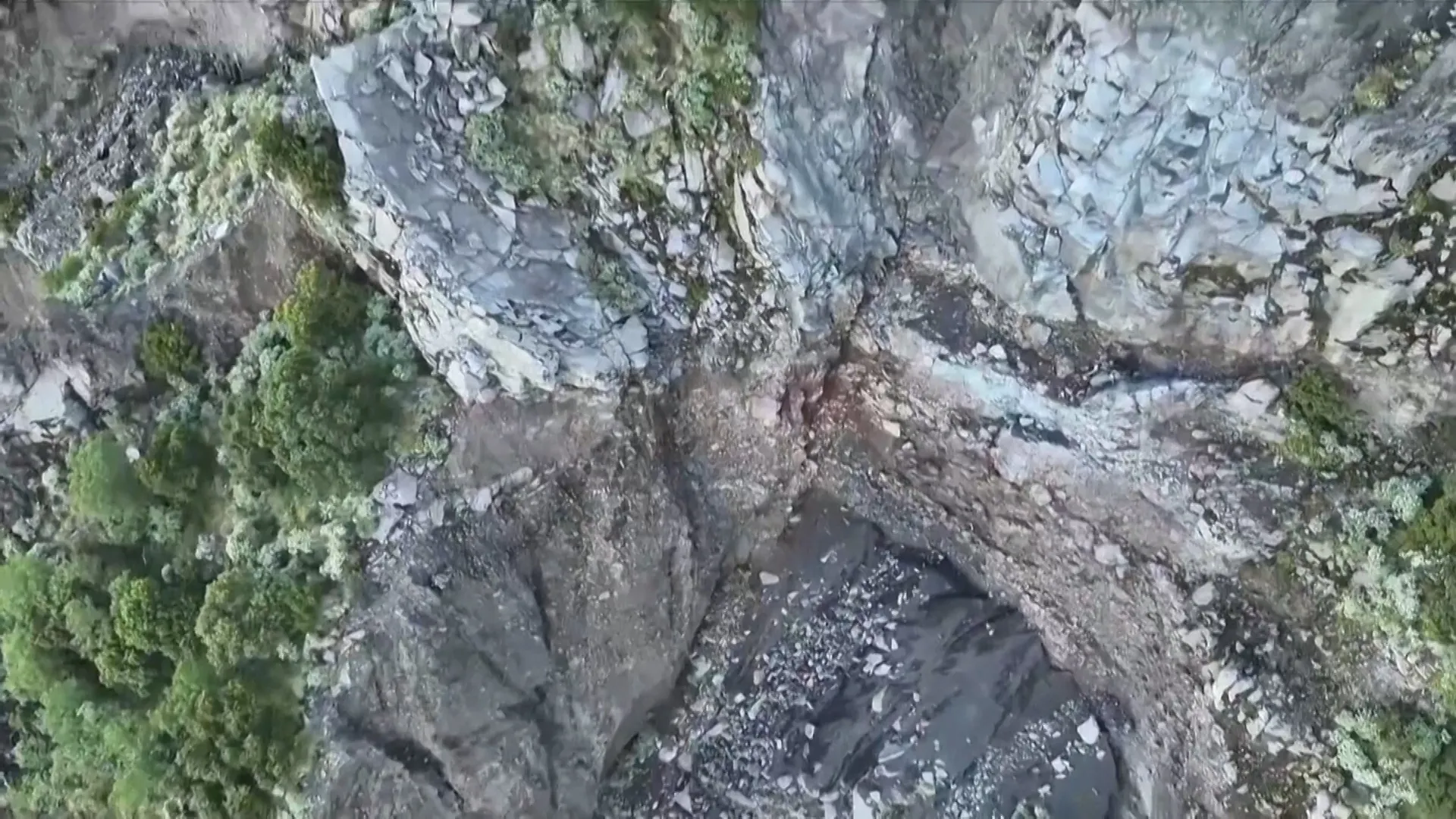
 Debris covers the destroyed cancer research center at Israel's Weizmann Institute after missile attack
Another laboratory impacted belongs to Dr. Ranit Kedmi, who studies the immune system. Both Dr. Yankielowicz-Keren’s and Dr. Kedmi’s research teams were supported by grants from the European Research Council (ERC), financed by the European Commission. The damage thus directly affects European-funded scientific endeavors.
Impact on Research and Collaboration
The destruction at Weizmann has global repercussions beyond the immediate loss of facilities. Dr. Yankielowicz-Keren highlighted the international community’s response, receiving widespread offers of help and expressions of solidarity from scientists worldwide. She noted that the scientific and cancer research communities particularly perceived the loss as their own, recognizing that the damage could set back global understanding of cancer by years.
Despite the challenges, the international scientific community and the institute’s staff are showing resilience. Students from diverse backgrounds, including a South Korean student at Weizmann, have reportedly chosen to stay and assist with recovery efforts. Colleagues at institutions abroad, such as one in Heidelberg, Germany, have offered laboratory space to continue essential research. This collaboration underscores the interconnected nature of global scientific progress, which is vulnerable to such attacks.
 Structural damage seen at the environmental research building at Weizmann Institute following a missile blast
Damage at Soroka Medical Center
Soroka Medical Center in Be’er Sheva, the primary hospital serving Israel’s southern Negev region, also sustained a direct missile hit. The northern surgical building was struck on an upper floor.
Fortunately, hospital personnel had assessed the threat and evacuated patients from the affected areas the day before the strike. This preparation prevented casualties within the building.
The force of the ballistic missile warhead caused extensive structural damage. While the direct hit was on an upper floor, the impact propagated downwards.
 Rubble fills damaged patient rooms two floors below the missile impact site at Soroka Medical Center in Israel
Damage was evident even on the ground floor, including shattered ceilings, demolished elevator shafts, displaced door frames, and patient rooms reduced to fragments. The severity of destruction increased on higher floors closer to the impact point. Medical staff present during the attack followed safety protocols and avoided injury.
 Elevator shafts twisted and broken from the force of a missile strike at Soroka Medical Center
Response and Recovery Challenges
Despite the significant damage, Soroka Hospital has managed to resume approximately 80% of its operations. However, the working conditions are challenging for both patients and staff amidst the visible destruction.
 Severe destruction on a floor two levels below the direct missile hit at Soroka Medical CenterDr. Shlomi Kodesh, Director of Soroka Hospital, estimated that tens of millions of dollars are required for repairs and recovery. He emphasized the critical role of Soroka as the sole major hospital in the Negev region, stating that the area “deserves better” infrastructure resilience.
Conclusion
The recent Iranian missile attacks resulted in severe damage to key research and medical facilities in Israel, disrupting crucial scientific work funded in part by European grants and impacting essential healthcare services for a large population. The destruction highlights the far-reaching consequences of such conflicts, affecting international research collaboration and vital civilian infrastructure. Recovery efforts for both the Weizmann Institute and Soroka Medical Center are underway, facing significant financial and logistical challenges.