Microsoft has reportedly shelved its project for a first-party Xbox gaming handheld, at least for the time being. This decision appears to be influenced by the growing competition in the PC gaming handheld market, particularly from devices leveraging alternative operating systems like SteamOS, prompting Microsoft to shift focus toward optimizing Windows 11 for third-party hardware.
Contents
The pause signals a strategic re-evaluation as Microsoft navigates changing user habits and faces challenges in delivering optimal performance and battery life on Windows-based handhelds compared to some Linux-based alternatives.
The Decision to Pause the Xbox Handheld
Unlike partner devices designed to run Windows PC games, such as the ASUS ROG Ally (codename Kennan), the first-party Xbox handheld was envisioned to run Xbox games natively. This project aimed to fulfill a long-held desire among Xbox fans: the ability to carry their entire Xbox library and play games anywhere, anytime, without relying solely on cloud streaming.
However, changing user behaviors, reduced free time for core gamers, and increased competition from mobile platforms like TikTok and addictive mobile games are reshaping the digital entertainment landscape. Users increasingly seek convenience and content that fits seamlessly into their busy lives.
The Rising Threat from SteamOS
A significant factor influencing Microsoft’s strategy is the increasing viability of SteamOS on third-party PC gaming handhelds. While Steam’s April 2025 hardware survey pins Windows at sporting 96% of the OS market share on Steam, this dominance is facing pressure from optimized Linux-based alternatives.
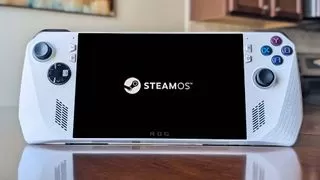 SteamOS logo displayed on an ROG Ally screen.
SteamOS, initially exclusive to Valve’s Steam Deck, is now officially supported on other devices, including iterations of the ASUS ROG Ally and Lenovo Legion Go. Recent analysis, such as that by Dave2D on the Lenovo Legion Go S, highlights a potentially dramatic performance delta. SteamOS versions in testing have shown significant improvements, in some cases boosting battery life by 50% (especially for 2D games) and improving frame rates and general performance compared to Windows 11 on the same hardware.
This performance gap is seen by some as an indictment of Windows’ recent direction, citing issues like bloatware, unnecessary background processes, and touchscreen usability challenges on handheld devices. While Windows 11 offers unparalleled compatibility with decades of games, software, and tools, for gamers primarily using Steam, SteamOS provides a more optimized experience. The Proton compatibility layer allows many Windows games to run well, sometimes even better, on SteamOS with minimal developer effort.
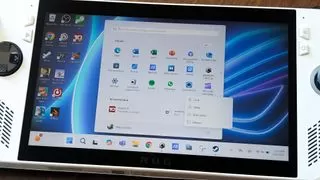 The Windows restart menu on ROG Ally.
While SteamOS is not yet a full laptop replacement due to limitations with certain anti-cheat systems, modding tools, and launchers like PC Game Pass, the positive feedback and growing grassroots interest represent a potential threat to Windows’ dominance, especially in the portable gaming niche.
Microsoft’s Strategic Focus Shift
Given the challenges and the rising viability of SteamOS on third-party hardware, Microsoft appears to be prioritizing the optimization of Windows 11 for existing and future OEM-built PC gaming handhelds. This strategy aims to improve the Windows experience on these devices in terms of performance, battery life, and usability, addressing criticisms that make alternatives like SteamOS appealing.
The OEM market is crucial for Microsoft. If manufacturers like ASUS, Lenovo, Dell, and HP perceive a significant user preference or performance advantage with SteamOS, they could increasingly adopt it for their gaming devices, potentially eroding Windows’ credibility in this growing market segment. OEMs tend to follow user demand.
 Satya Nadella on stage at an event in London talking about Copilot
Microsoft’s broader corporate focus on areas like AI and cloud computing in recent years has sometimes led to perceptions that consumer-focused products like Windows and Xbox hardware have taken a backseat. Criticisms of Windows 11’s design choices, bloatware, and perceived lack of focus on core user experience resonate particularly with power users, who are often early adopters of devices like gaming handhelds and are influential in shaping market perception.
While shelving the first-party Xbox handheld is disappointing for fans hoping for a dedicated portable console, the strategic decision to focus resources on making Windows 11 competitive on the broader PC gaming handheld market appears necessary. Splitting efforts between a native Xbox device and optimizing Windows for numerous OEM partners could lead to suboptimal outcomes for both.
What’s Next?
For now, the path forward involves Microsoft intensifying efforts to improve the Windows 11 experience on PC gaming handhelds. This includes addressing performance and battery life deficits compared to SteamOS and refining the user interface for touchscreen and controller input.
 An Xbox gaming handheld has been built.
The fate of the mysterious Xbox handheld project remains uncertain; it may never see the light of day in its originally conceived form. The immediate priority is countering the growing threat from SteamOS to ensure Windows remains the preferred platform for the expanding PC gaming handheld segment. Whether Microsoft can effectively and quickly close the gap with its competitors remains to be seen and will likely unfold over the coming months and years.
Explore related stories on the future of Xbox gaming, the competition in the PC gaming handheld market, and the ongoing evolution of Windows 11.