A new immigration detention center is set to officially open in the Florida Everglades, coinciding with a visit from U.S. President Donald Trump on Tuesday. This facility, built rapidly by Florida officials using emergency powers, is presented by supporters as a model for increased detention and deportation efforts but is criticized by opponents as inhumane and environmentally harmful. The site’s development highlights the ongoing debate surrounding immigration enforcement and state authority.
Contents
Key Takeaways:
- A large-scale immigration detention center is opening in a remote area of the Florida Everglades.
- Former President Donald Trump is scheduled to visit the site for its expected official opening.
- Florida used emergency powers to expedite construction, drawing criticism over transparency and environmental impact.
- The facility is part of efforts to significantly expand U.S. immigration detention capacity.
- The project faces protests from environmental groups, immigrant advocates, and Native American leaders.
Trump Visit Highlights Facility Opening
Florida Governor Ron DeSantis confirmed that Donald Trump would attend the expected official opening of the new detention facility on Tuesday. The facility is estimated to cost $450 million per year, with Florida incurring the expenses initially, to be reimbursed by the Federal Emergency Management Agency (FEMA).
Governor DeSantis stated that the site was expected to be ready for operation by the time of the president’s visit. He also mentioned having spoken with Trump over the weekend and confirmed that the site had received approval from the Department of Homeland Security (DHS).
The remote location, approximately 45 miles (72 kilometers) west of downtown Miami, has not deterred hundreds of environmentalists and immigrant advocates who plan to protest the facility. Critics describe it as a political maneuver with negative consequences for ecologically sensitive wetlands.
Location and Conditions
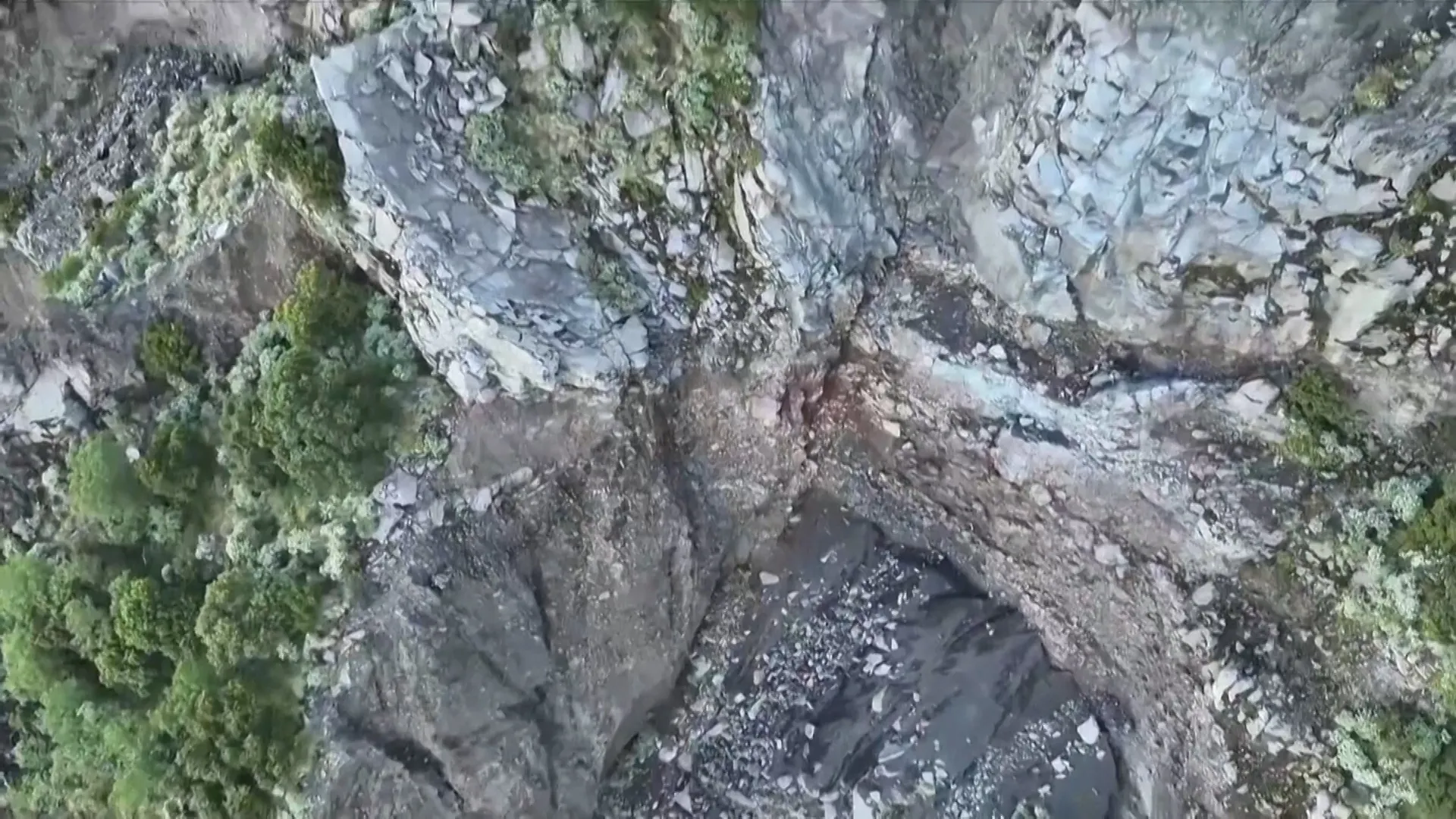
Located at an isolated airfield in the Florida Everglades, the facility is surrounded by swamps known for mosquitoes, pythons, and alligators. State officials have reportedly dubbed the site “Alligator Alcatraz.” Supporters state this name and the challenging conditions are intended as a deterrent.
Florida Attorney General James Uthmeier commented on the isolation, saying, “There’s really nowhere to go. If you’re housed there, if you’re detained there, there’s no way in, no way out.”
The compound consists of heavy-duty tents, trailers, and temporary buildings, erected quickly by Florida authorities. It is designed to potentially house up to 5,000 detainees, supporting plans for increased detention and deportation efforts.
Florida’s Use of Emergency Powers
Florida officials used emergency powers to commandeer the land for the detention center. This action was taken under a years-old executive order issued by Governor DeSantis during the previous administration, citing a crisis caused by illegal immigration.
The state proceeded with construction on county-owned land despite concerns raised by local officials, activists, and Native American tribal leaders who regard the area as sacred ancestral land.
By invoking executive orders, the state was able to fast-track the project, bypassing standard laws and regulations. Critics have labeled this approach an abuse of power.
 Video thumbnail showing text 'Trump’s mass deportations will continue despite ‘left-wing riots,’ White House says'
A spokesperson for Governor DeSantis stated, “Governor DeSantis has insisted that the state of Florida, under his leadership, will facilitate the federal government in enforcing immigration law. Florida will continue to lead on immigration enforcement.” Emergency orders grant significant authority to the head of state emergency management, including the ability to suspend regulations seen as hindering the response and place law enforcement under direct command.
Protests and Environmental Concerns
Hundreds of immigrant advocates, environmental activists, and Native Americans protested near the airstrip site on the Saturday before the expected opening. Demonstrators lined the highway as construction vehicles entered the airfield.
 Video thumbnail featuring migrants using bodies to form 'SOS' message in a Texas detention center
In Big Cypress National Preserve, where the airstrip is located, 15 traditional Miccosukee and Seminole villages, along with burial and ceremonial grounds, remain. Environmental concerns are significant, leading groups like the Center for Biological Diversity and the Friends of the Everglades to file a lawsuit seeking to halt the construction plans.
A Miccosukee tribal member, Betty Osceola, urged nonviolence among those planning to protest on Tuesday, emphasizing the long-term consequences for the Miccosukee and Seminole people who live in the area.
Federal Government Involvement
U.S. Department of Homeland Security Secretary Kristi Noem has expressed support for the facility and the partnership with Florida. Noem stated the agency is working quickly on “cost-effective and innovative ways to deliver on the American people’s mandate for mass deportations.”
The facility is intended to help achieve a goal of significantly increasing the number of available beds for detaining migrants. The aim is to more than double the current 41,000 beds to at least 100,000.
 Video thumbnail related to Haitians facing potential deportation after US protected status ends
Recent legislative efforts reflect this push for increased detention capacity. A bill approved by the U.S. House of Representatives last month included $45 billion over four years for immigrant detention, representing a threefold spending increase. This legislation is currently under consideration by the Senate.
Immigrants arrested by Florida law enforcement officers operating under the federal 287(g) program, as well as those in the custody of U.S. Immigration and Customs Enforcement (ICE), are expected to be held at the facility. The 287(g) program allows local and state law enforcement to perform certain immigration enforcement functions. More than 280 such agreements have been signed across Florida counties, making up over a third of the nationwide total.
The opening of the Florida Everglades detention center underscores the ongoing debate and challenges associated with U.S. immigration policy, state and federal cooperation, and the human and environmental impacts of enforcement measures.