A collision between two oil tankers in the Gulf of Oman on Tuesday night has led to a significant oil spill, prompting warnings of a potential regional environmental disaster. The incident involved the tanker Adalynn, reportedly part of the Russian “shadow fleet,” and the Front Eagle.
Contents
The collision occurred near midnight on Tuesday off the coasts of the UAE and Iran. Following the impact, a fire erupted on the 23-year-old tanker Adalynn, resulting in a rapid oil leak into the surrounding waters.
The Vessels Involved
The Adalynn is included in Greenpeace’s Shadow Fleet database, which tracks vessels believed to be assisting Russia in circumventing Western sanctions and the price cap on Russian oil. Ukraine’s military intelligence also reportedly considers the Adalynn a shadow vessel.
Despite officially reporting no cargo, Greenpeace estimates the Adalynn may have been carrying approximately 70,000 tons of crude oil at the time of the collision. The other vessel involved, the Front Eagle, is operated by the shipping company Frontline.
Growing Environmental Impact
Environmental organization Greenpeace has raised serious concerns, warning of a potential “environmental disaster.” Citing satellite photos taken on consecutive days, Greenpeace reported on Wednesday that the resulting oil spill had expanded rapidly.
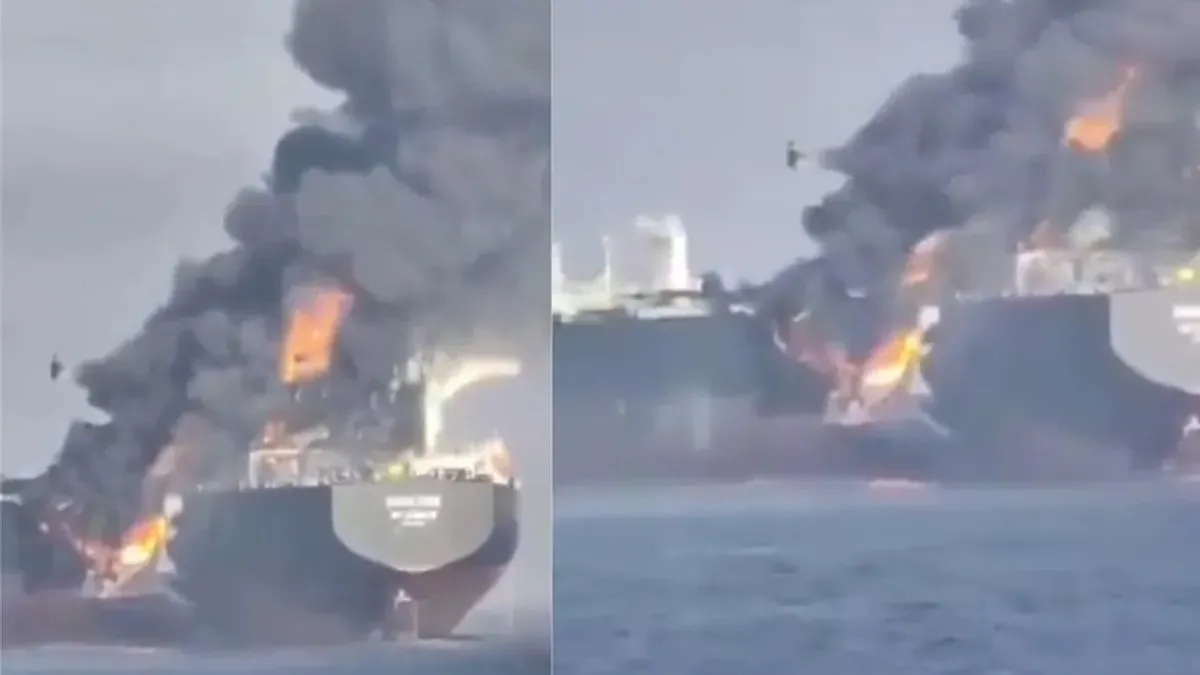 Screenshot from a video showing the tanker Adalynn ablaze after a collision in the Gulf of Oman, with smoke visible.
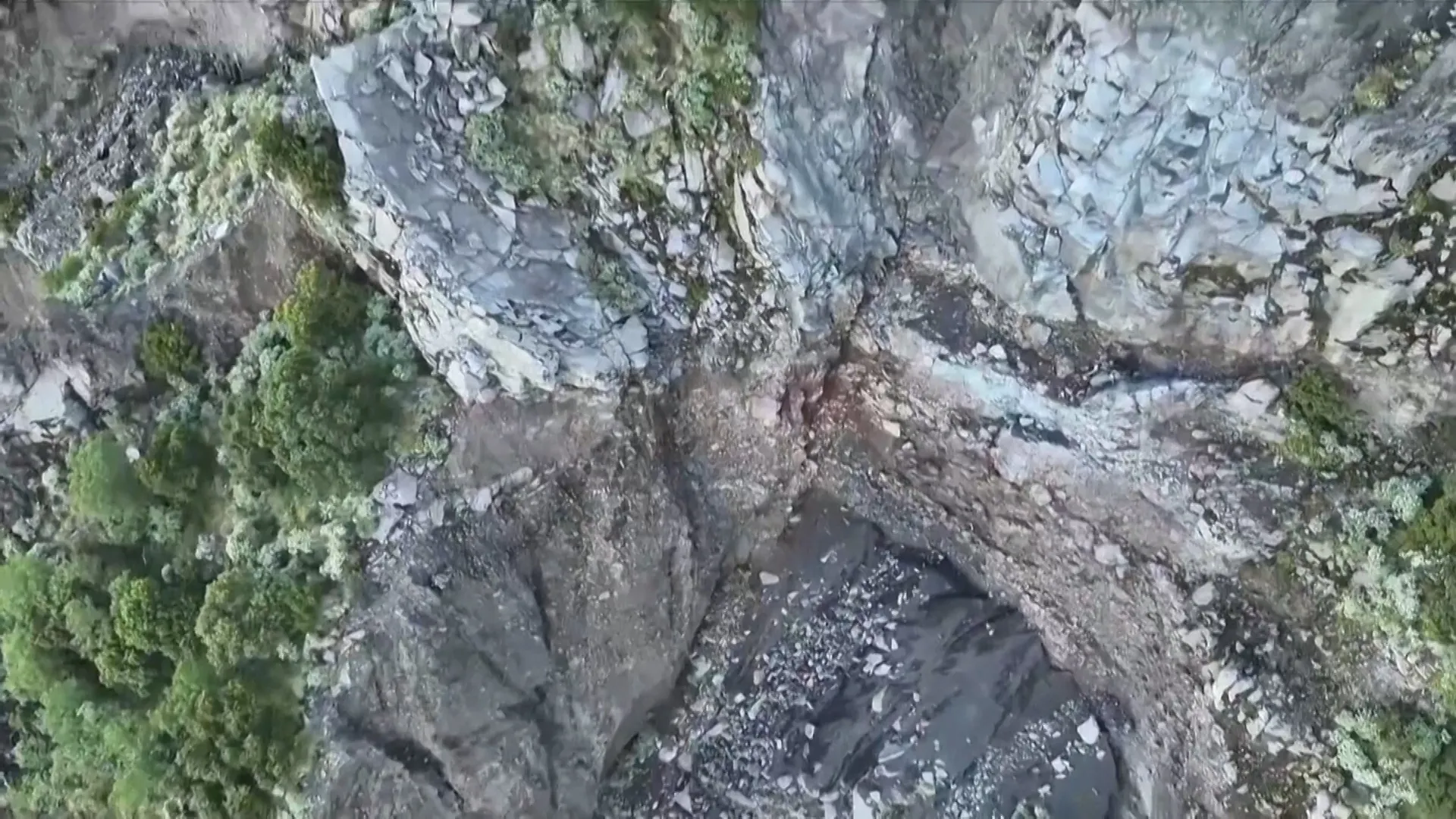
The spill area was estimated to cover approximately 1,500 hectares, marking a fourfold increase in size within just 24 hours. The growing slick poses a significant threat to marine ecosystems and coastal areas in the region.
Operational Challenges and Potential Causes
Lars Barstad, CEO of Frontline, described the incident as a “nightmare” scenario, particularly due to the inability to establish contact with the suspected shadow vessel Adalynn after the collision. Maritime protocols typically require communication between vessels involved in such incidents.
Barstad highlighted the difficulties in dealing with vessels of unknown ownership, management, or insurance status, which is often characteristic of the shadow fleet.
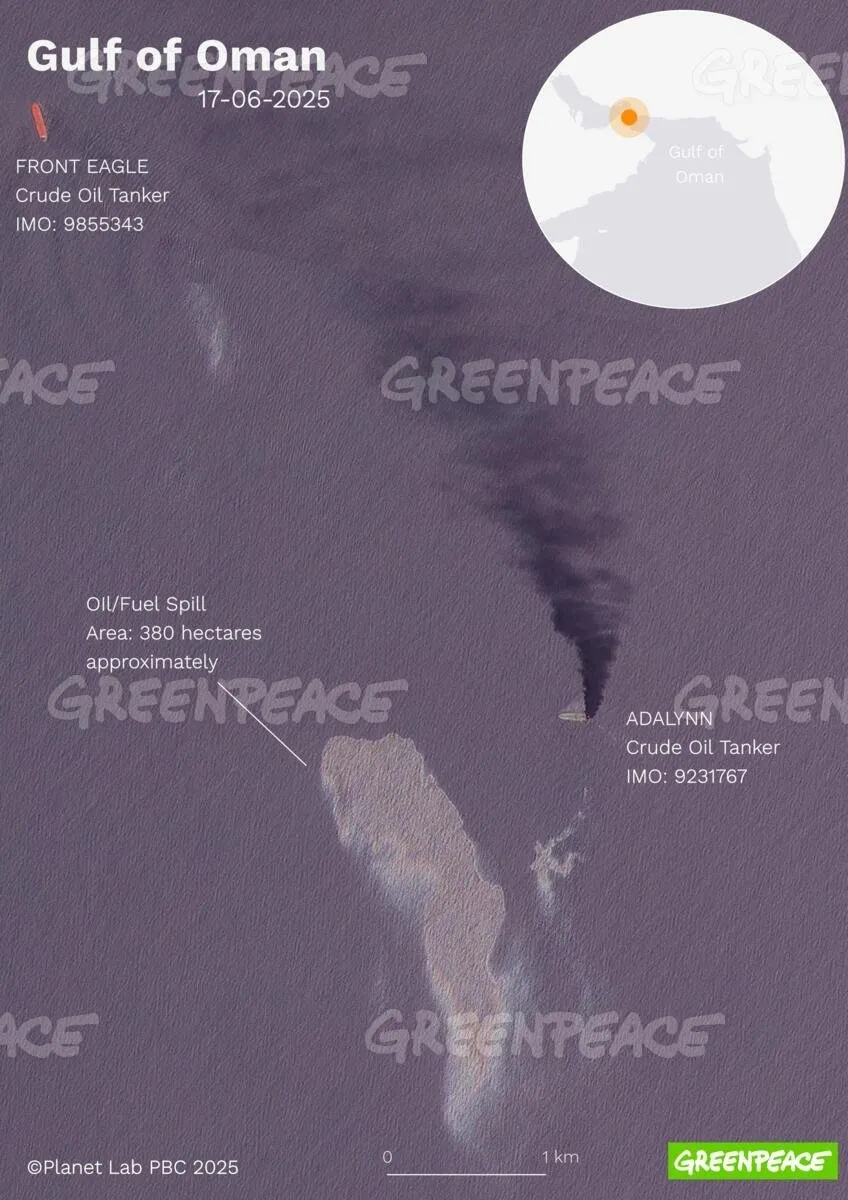 Aerial photo shows a large oil slick on the surface of the ocean in the Gulf of Oman, observed by Greenpeace.
The UAE’s energy ministry indicated on Wednesday that the collision might have been caused by “navigational misjudgement” by one of the ships.
The area around the Gulf of Oman has recently seen reports of persistent electronic interference affecting vessels’ Automated Identification System (AIS), which transmits navigational data. This interference could potentially impact navigational accuracy and increase the risk of maritime accidents.
Context of Shadow Fleet Operations
The Russian shadow fleet has faced criticism for operating under conditions that may bypass standard international maritime safety regulations and transparency requirements. These vessels sometimes manipulate location data or operate with insufficient insurance, increasing the risk of incidents at sea, as highlighted in previous reports on maritime safety issues related to the shadow fleet.
Accidents involving such vessels in environmentally sensitive areas like the Gulf of Oman raise significant concerns about response capabilities and accountability.
The collision and subsequent oil spill in the Gulf of Oman underscore the environmental and safety risks associated with the operation of unregulated or difficult-to-track vessels in busy international shipping lanes. The situation remains under monitoring as the full extent of the environmental impact unfolds.