The National Holocaust Monument in Ottawa, Canada, a site of historical and cultural significance, has been recognized internationally by Timeout magazine as one of the world’s most beautiful buildings. The monument, located in Memorial Park at 1918 Chaudière Crossing, was included on Timeout’s list of 24 architecturally significant structures globally.
Contents
What is the National Holocaust Monument?
Built in 2017, the monument serves as a permanent tribute to the victims of the Holocaust and recognizes the resilience and contributions of survivors who came to Canada. According to the National Capital Commission (NCC), the monument aims to ensure that “the lessons of the Holocaust, as well as the incredible contribution Holocaust survivors made to Canada, remain with the national consciousness for generations to come.”
Design and Meaning
The monument’s design, officially titled “Landscape of Loss, Memory and Survival,” features six triangular concrete volumes that collectively form the Star of David. This central element is organized around two planes. One plane ascends towards the future, while the other descends into a space containing powerful imagery and information about the Holocaust.
Features within the monument include photographic landscapes of Holocaust sites painted on the walls, images and facts about the event, and a 21-panel interpretive exhibit. These elements are intended to encourage reflection and ensure the history is not forgotten.
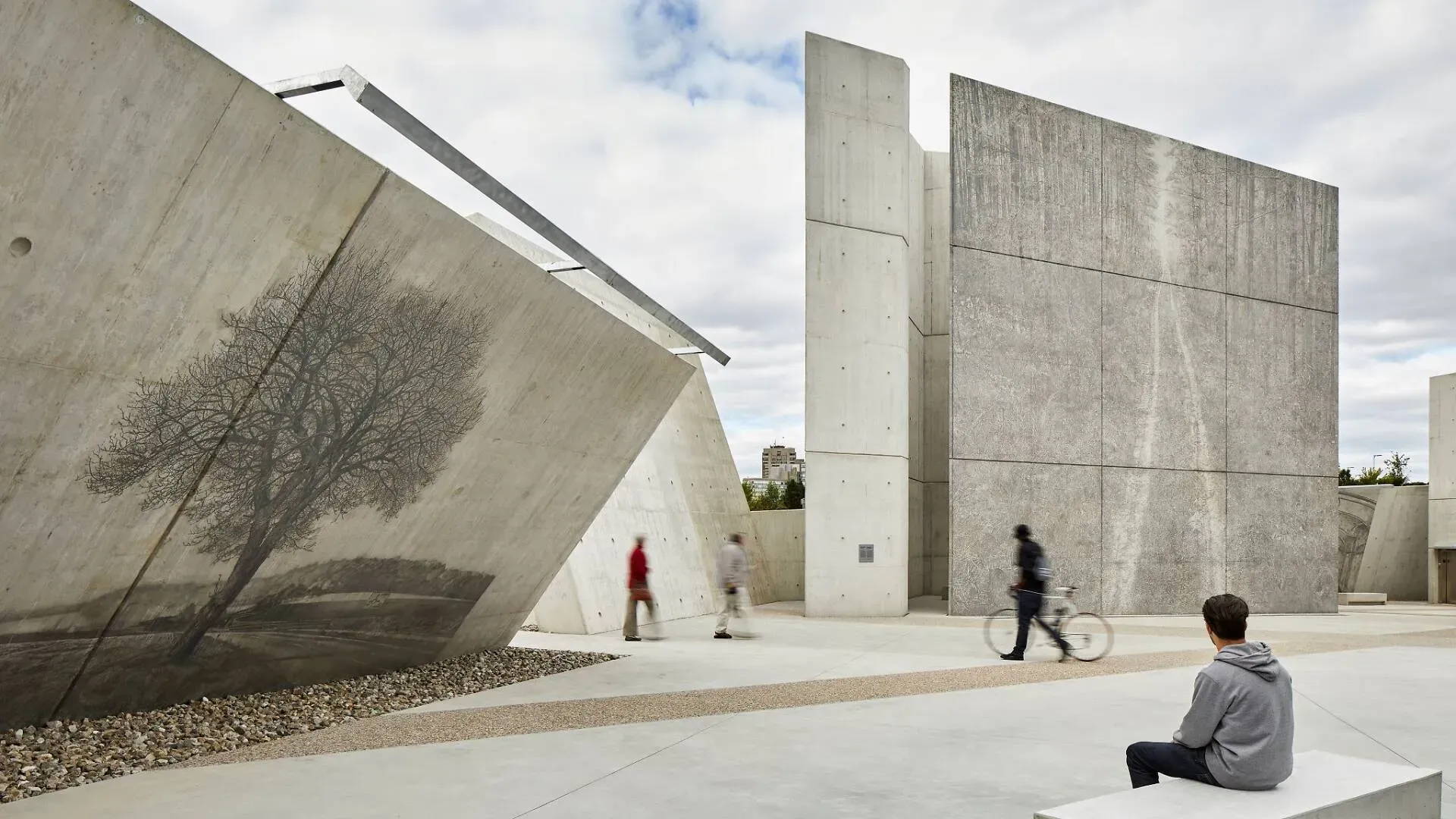 National Holocaust Monument architecture in Ottawa, Canada, recognized on a global beauty list
Timeout highlighted the monument’s stark design and its role in commemorating this dark historical chapter, stating that it encourages vital introspection.
Timeout’s List of Beautiful Buildings
Timeout’s list featured 24 buildings from around the world, selected for their aesthetic appeal and often, the stories and significance behind their creation. The National Holocaust Monument in Ottawa was ranked number 23 on this global list.
The top three buildings on Timeout’s list were:
- The Taj Mahal in India
- Hallgrímskirkja in Iceland
- The Pyramids of Giza in Egypt
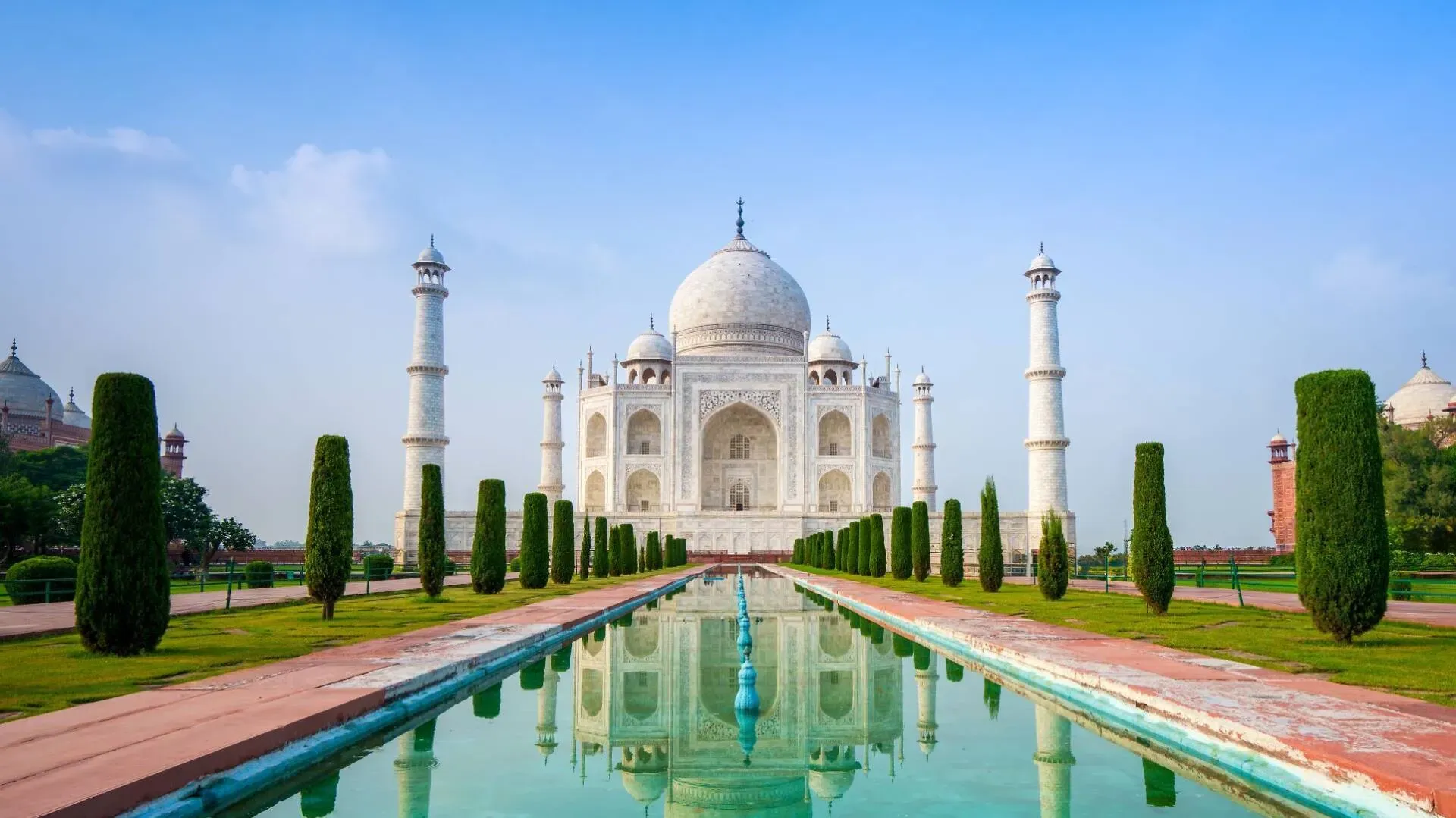 Taj Mahal in India, ranked number one on Timeout's list of beautiful buildings
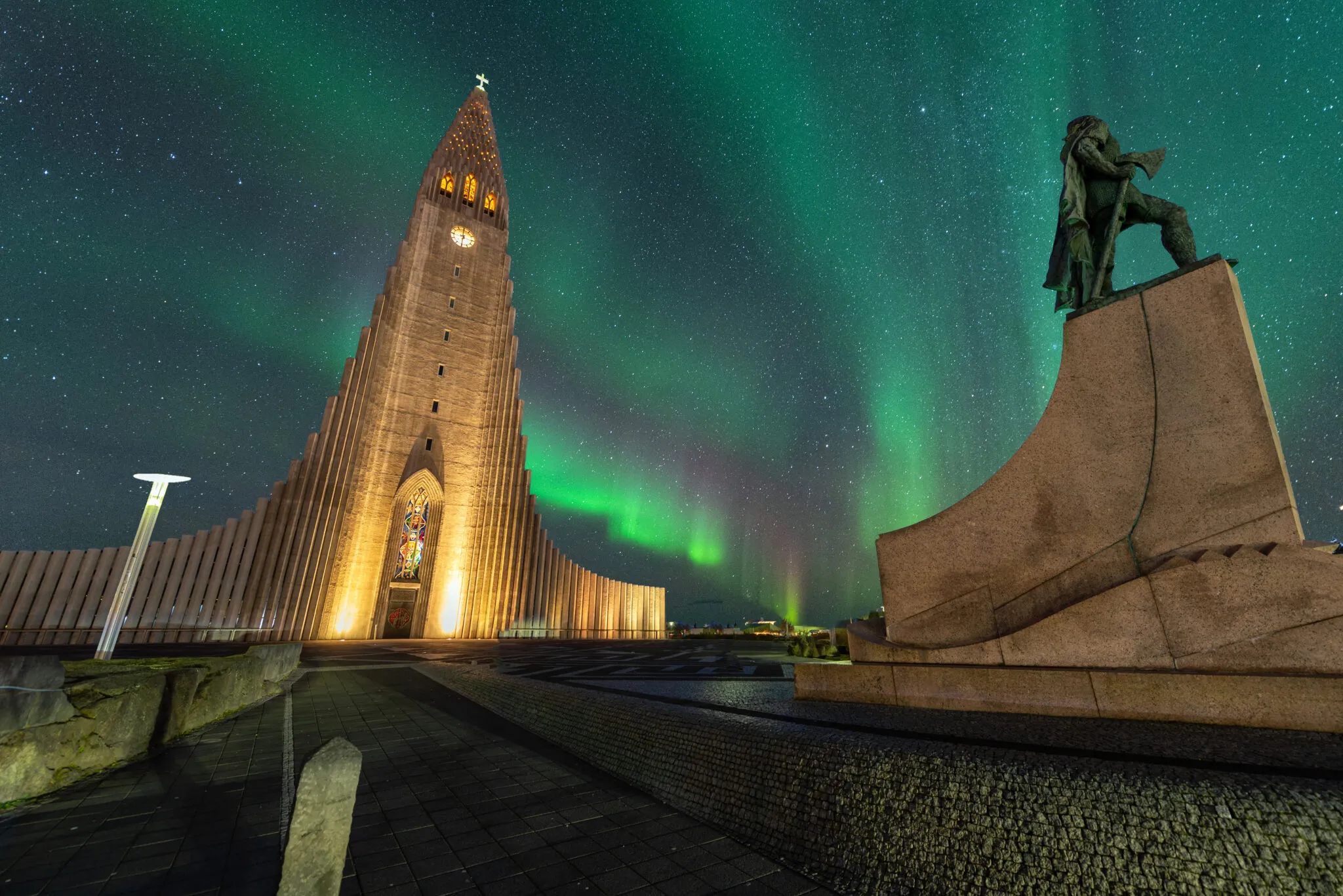 Hallgrímskirkja church in Reykjavik, Iceland, second on Timeout's beautiful buildings list
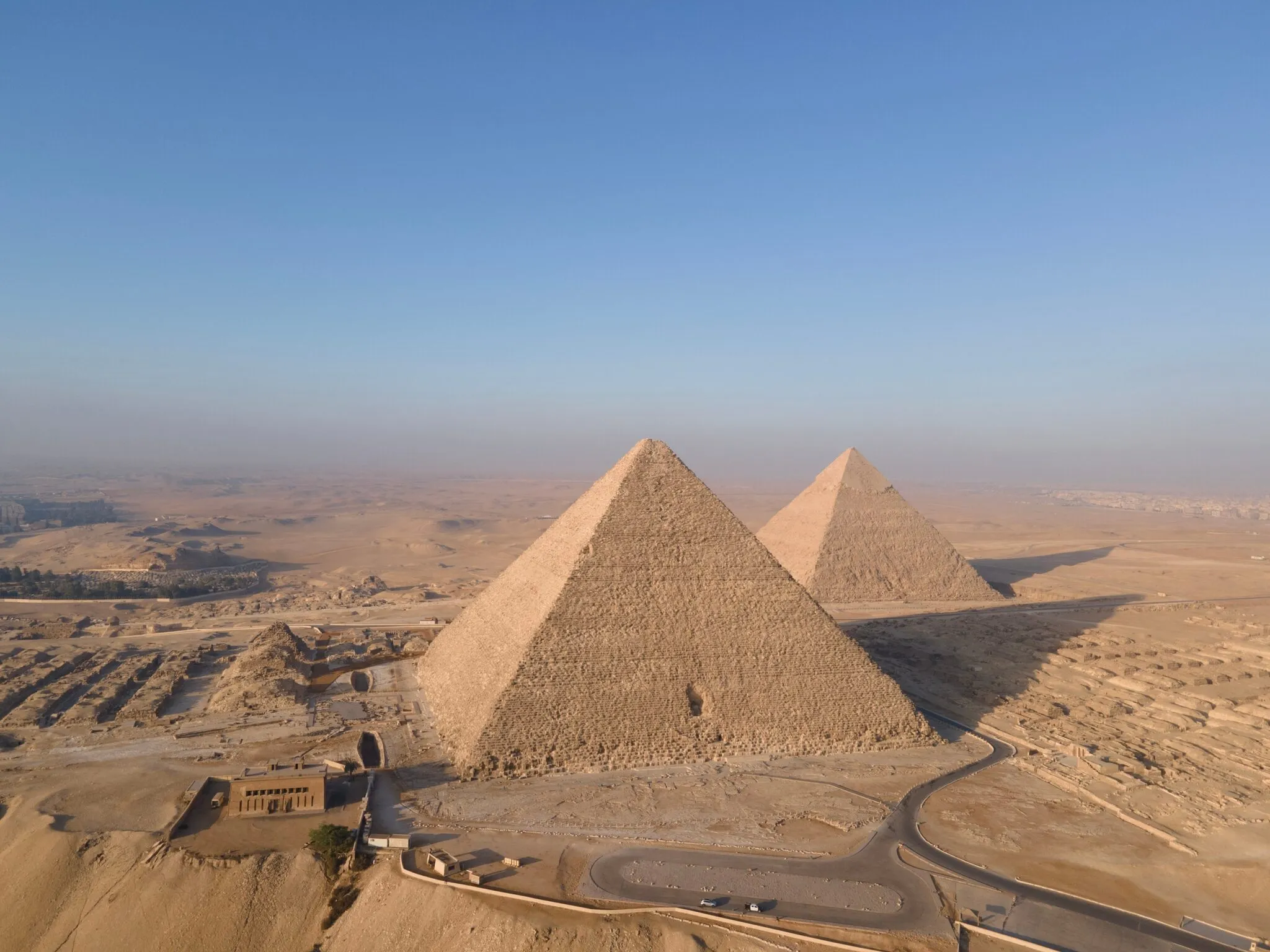 The Pyramids of Giza in Egypt, ranking third on Timeout's list of most beautiful buildings
The full list curated by Timeout included a diverse range of architectural styles and historical periods:
- Taj Mahal, India
- Hallgrímskirkja, Iceland
- The Pyramids of Giza, Egypt
- Fallingwater, USA
- Ad-Dayr in Petra, Jordan
- Foundation Louis Vuitton, France
- Trinity College Library, Ireland
- Great Mosque of Djenne, Mali
- Nasir Ol Molk Mosque, Iran
- The Twist, Norway
- Sagrada Familia, Spain
- Jatiya Sangsad Bhaban, Bangladesh
- Pantheon, Italy
- Palmenhaus at Schonbrunn Palace, Austria
- Bát Tràng Ceramic Community House, Vietnam
- Museum at Eldridge Street, USA
- Santuario de Las Lajas, Colombia
- Museum of Old and New Art, Australia
- Maggie’s Centre, St James’s Hospital, UK
- Baháʼí Temple of South America, Chile
- Futuna Chapel, New Zealand
- Komera Leadership Centre, Rwanda
- National Holocaust Monument, Canada
- Enryaku-ji, Japan
Conclusion
The inclusion of the National Holocaust Monument on Timeout’s list highlights its impactful design and its importance as a site for remembrance and education. The recognition underscores the monument’s dual role as both a significant piece of architecture and a vital tool for keeping the memory and lessons of the Holocaust alive for future generations in Canada and beyond.
Explore related stories on Canadian history and global architectural landmarks.