Animal shelters across Ontario are facing unprecedented challenges as the rising cost of living forces more families to surrender their pets. The Georgian Triangle Humane Society (GTHS) in Collingwood reports a 144% increase in pet surrenders over the past two years, primarily due to financial pressures on owners. This surge is overwhelming shelter capacity and services.
Contents
The Impact of Economic Pressure on Pet Owners
The increase in pet surrenders is a direct consequence of the high cost of living in Canada. Pet owners are struggling with expenses related to veterinary care, pet food, and finding affordable, pet-friendly housing. This financial strain is forcing many into difficult decisions.
Karen Marsh, Executive Director of the GTHS, notes the demand for the shelter’s services is overwhelming. This includes a waiting list for surrendering pets and high demand for veterinary care, food banks, and basic supplies.
The humane society, originally built to house 500 animals annually, now services approximately 4,000 animals each year, severely exceeding its intended capacity.
“People are experiencing dire challenges around the cost of veterinary care, the cost of housing, trying to find housing that accepts pets that are pet-friendly for them,” Marsh stated. “We are experiencing people who are in a temporary crisis.”
Shelters Overwhelmed by Capacity Crisis
The overwhelming number of animals needing care has left the GTHS “bursting at the seams.” The lack of space impacts various aspects of their operations.
Animals recovering from surgeries sometimes have to do so in hallways due to insufficient space in designated recovery areas. Popular youth programs that aim to connect children with animals also lack adequate space.
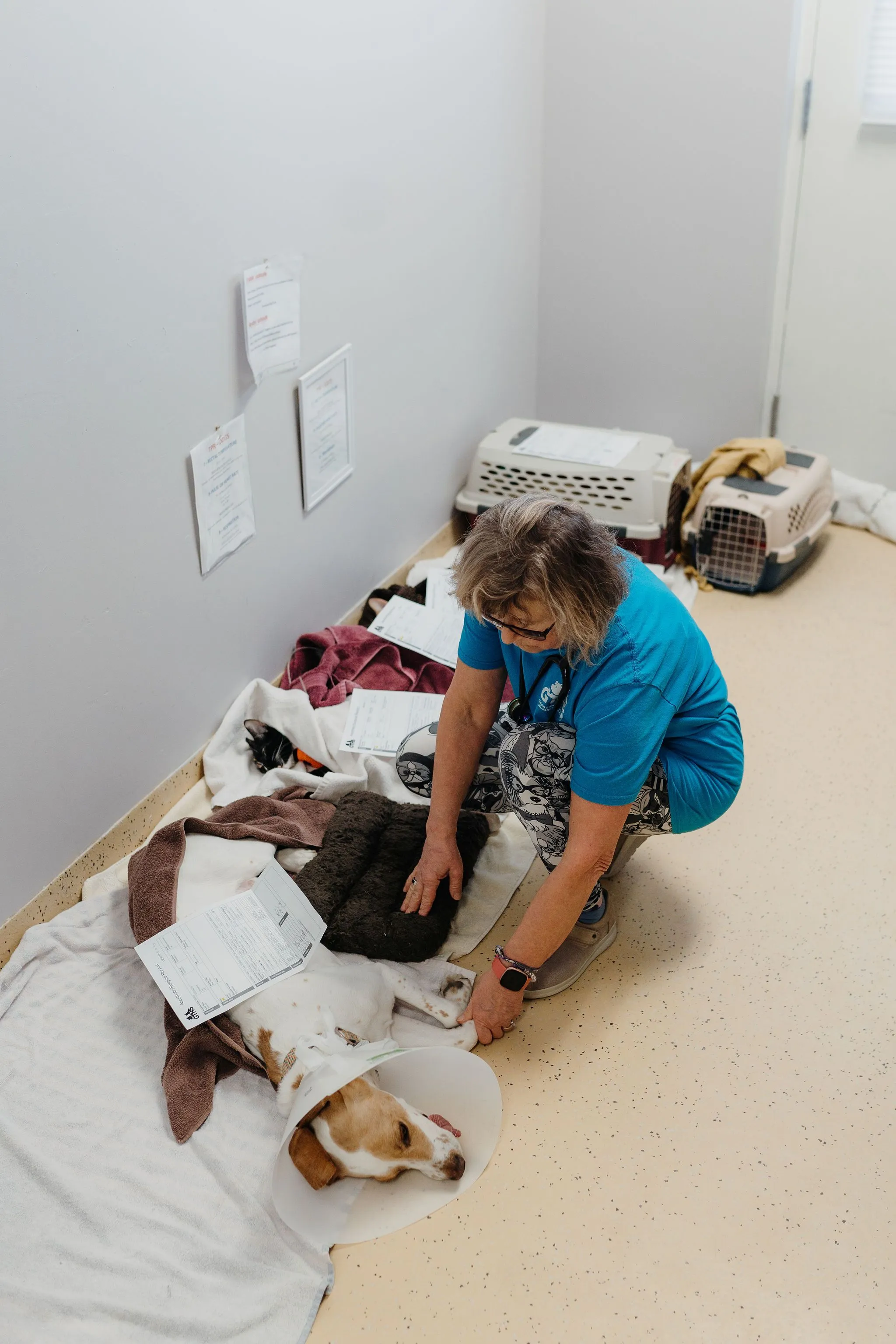 Pets recovering in hallways at Canadian animal shelter due to overcrowding
Unlike many shelters that only accept permanent surrenders, the GTHS offers a temporary surrender option for up to three months. This helps individuals facing short-term crises, such as financial hardship or medical issues, keep their pets long-term. The shelter also provides a pet food bank to help owners struggling to afford food, preventing surrenders.
“We believe… that everyone deserves a pet,” Marsh said. “We don’t believe that because you are experiencing perhaps temporary challenges in your life, that you necessarily have to surrender your pet.”
Marsh emphasizes the important bond between humans and pets and the shelter’s commitment to preserving it whenever possible.
To manage the immediate crisis, shelter staff sometimes take animals into their own homes temporarily when space is unavailable. Despite the challenges, Marsh states they prefer people come to them for help rather than dealing with unwanted animals through other means, but turning people away due to capacity is a growing concern.
Building for the Future
To address the long-term capacity crisis, the Georgian Triangle Humane Society is undertaking a significant expansion project. They plan to build a new, state-of-the-art facility called the Regional Centre for Pets and People.
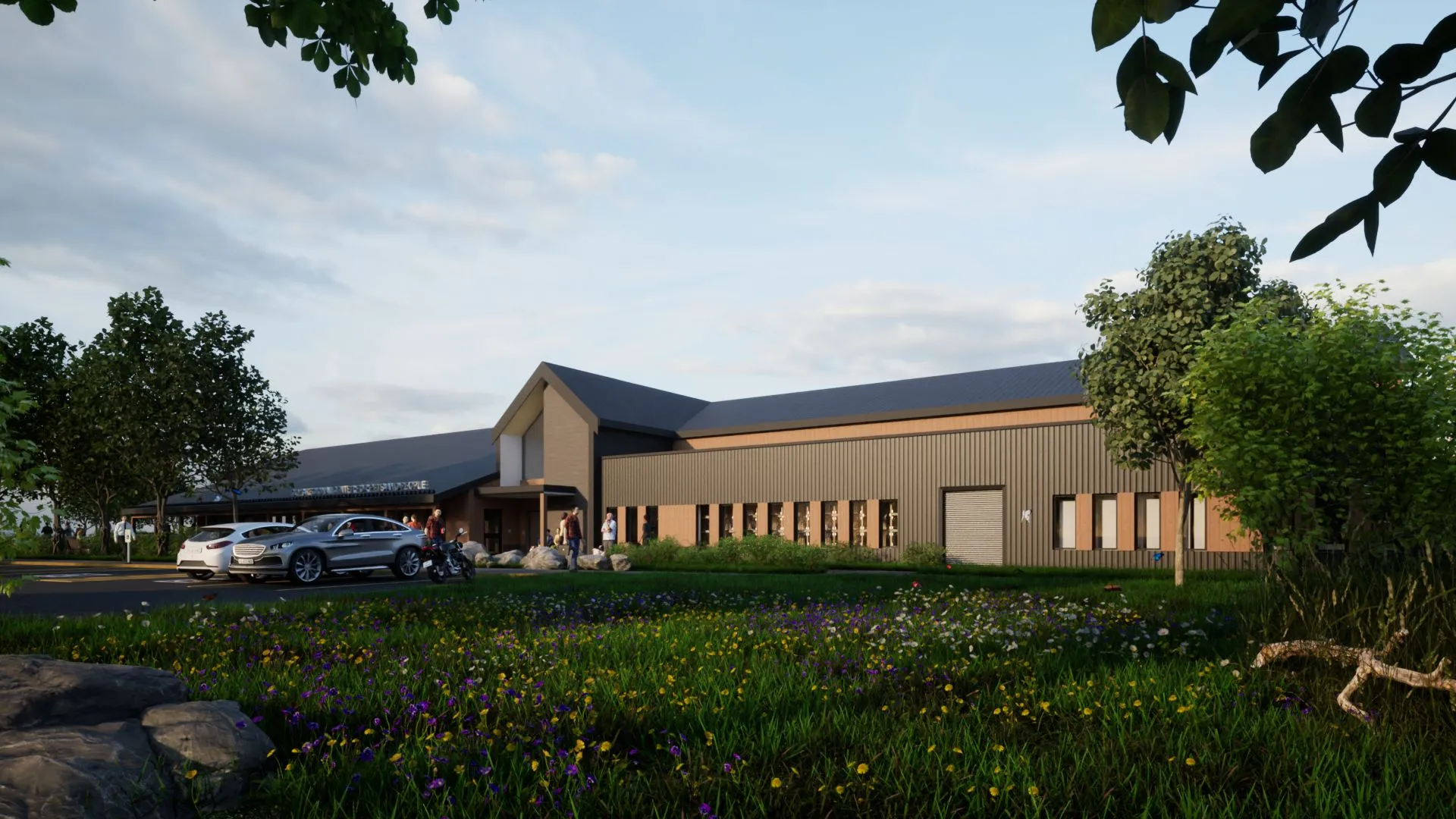 Rendering of the planned new Regional Centre for Pets and People facility
The new center will be 19,000 square feet and located on five acres of land. This will dramatically increase the society’s capacity to care for animals and expand its services for both pets and people.
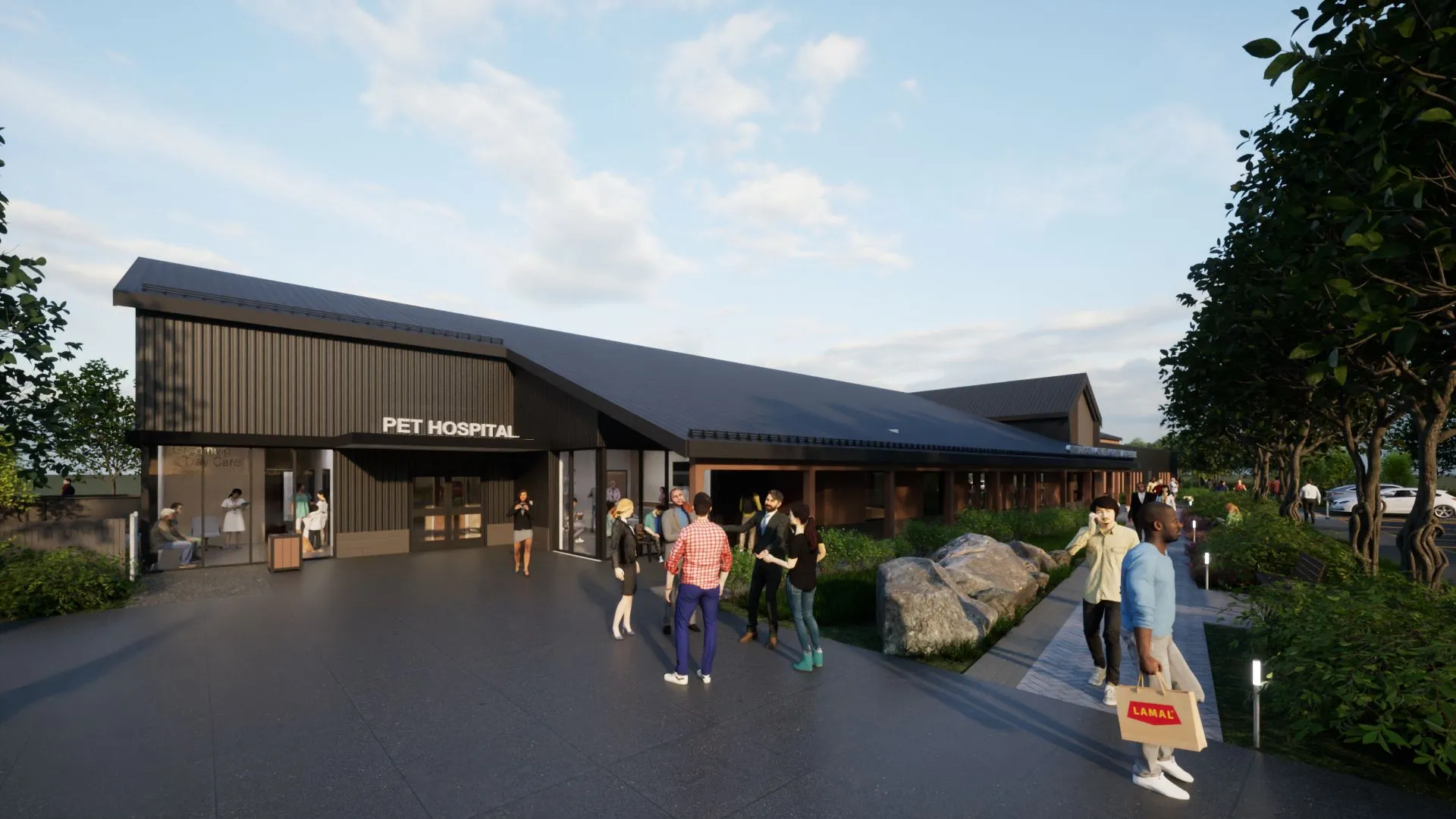 Architectural rendering of the new Georgian Triangle Humane Society building
The expanded space will allow the GTHS to offer more critical services and provide greater hope for the pets and people who rely on their support. Construction on the new facility is scheduled to begin in early July.
The surge in pet surrenders underscores the broader impact of economic conditions on households and animal welfare organizations. Shelters like the GTHS are adapting and expanding to meet the growing need.