Punjab Information Minister Azma Bokhari on Saturday criticized the Khyber Pakhtunkhwa (KP) government’s response to the recent Swat River tragedy, specifically condemning the alleged use of garbage dumpers to transport the bodies of victims. The incident involved tourists from Punjab’s Sialkot caught in a sudden water surge in the Swat River on June 27, 2025, resulting in multiple deaths and ongoing rescue operations.
Contents
Allegations of Inhumane Treatment
Speaking during a session of the Punjab Assembly, Minister Bokhari accused KP authorities of failing the victims not only through inadequate rescue services but also by denying dignity in death.
She described the transportation of recovered bodies in a dumper, typically used for rubbish, as “utterly inhumane” and “shameful.” Bokhari questioned the KP government’s handling of the situation, stating that even if lives could not be saved, the deceased should have been returned home with respect.
The Swat River Incident
The tragedy unfolded when a family of 17 from Sialkot was picnicking along the banks of the Swat River. A sudden and powerful surge of water swept them away on June 27, 2025.
Rescue teams were immediately dispatched but faced significant challenges in the swift currents. The incident highlighted the dangers of unpredictable water level changes in the region, particularly during certain seasons or weather events.
 Punjab Information Minister Azma Bukhari speaking in the Punjab Assembly.
Ongoing Rescue Efforts
As of Saturday, June 28, 2025, rescue efforts in the Swat Valley were ongoing. Rescue 1122 reported that the death toll from the incident had risen to 11 after the recovery of another child’s body. Two individuals remain missing, while four others were rescued during the initial emergency response.
The search and recovery operation has continued for over 24 hours, according to the Director General of Rescue 1122. Operations have expanded across multiple areas, including Khwazakhela, Kabal Bypass, and Barikot.
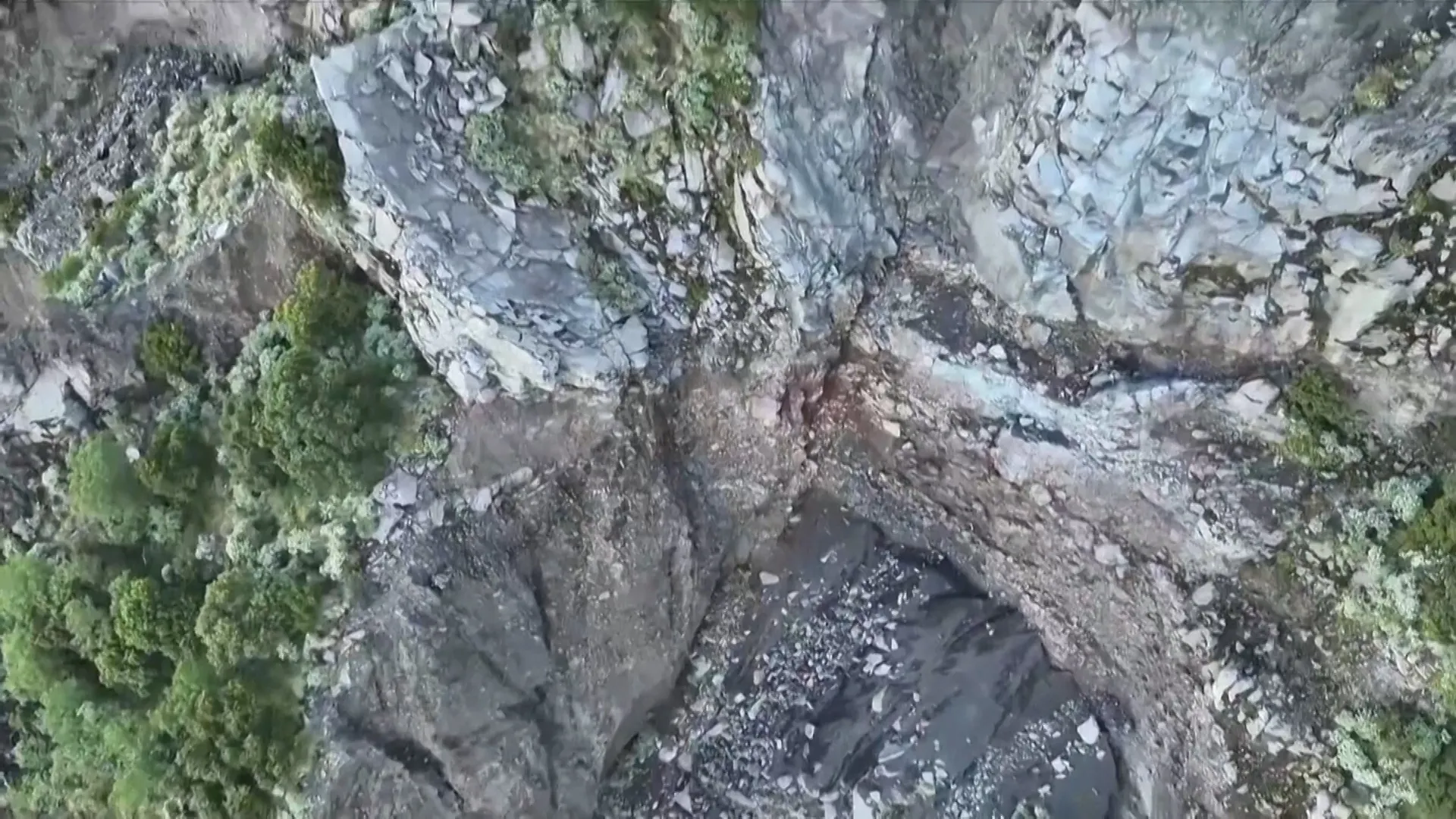
More than 120 rescue personnel from Swat, Malakand, and Shangla districts are involved in the mission. They are utilizing boats and specialized equipment to search the riverbanks and the deeper parts of the river.
 A rescue worker searches for survivors on the Swat River following a surge.
Political Context and Criticism
Minister Bokhari also questioned the presence of KP Chief Minister Ali Amin Gandapur at the time of the tragedy, suggesting he was occupied with matters unrelated to governance. She further noted that similar incidents had occurred in previous years without apparent lessons being learned regarding preparedness or response.
The criticism from Punjab’s Information Minister highlights the political tensions between the two provinces and adds a layer of controversy to the already tragic event. Bokhari stated that effective response in such situations requires basic “humanity and empathy,” not just government machinery.
The focus remains on the continued efforts to locate the missing individuals and provide support to the affected families, alongside the political fallout from the handling of the tragedy.