A recent report by the Multilateral Sanctions Monitoring Team (MSMT), led by the U.S. State Department, indicates that North Korea has deployed thousands of troops to Russia, who have subsequently engaged in combat operations in Ukraine alongside Russian forces. This cooperation, which also involves the transfer of ballistic missiles from Pyongyang to Moscow, reportedly provides North Korea with critical “first-hand experience in modern warfare” and violates multiple UN Security Council resolutions.
Contents
Overview of Findings
The MSMT report, titled “Unlawful Military Cooperation including Arms Transfers between North Korea and Russia,” details military deals between the two countries. According to the report, these arrangements bolster Russia’s capacity for missile strikes against Ukrainian cities, including civilian infrastructure.
Simultaneously, the cooperation provides North Korea with resources to fund its military programs and advance its ballistic missile development. This advancement is itself prohibited under several UN Security Council resolutions. In exchange for military support, North Korea gains experience in modern warfare tactics and operations.
Troop Deployment and Training
The report suggests military cooperation intensified around August 2024. By October 2024, North Korea reportedly began deploying troops to Russia. These soldiers wore Russian uniforms and utilized Russian transport, including aircraft and naval vessels.
Over 11,000 North Korean troops were reportedly deployed to eastern Russia late in 2024 before being moved to Kursk Oblast in western Russia. The report states these troops “began engaging in combat operations alongside Russian forces” shortly after arriving in Kursk.
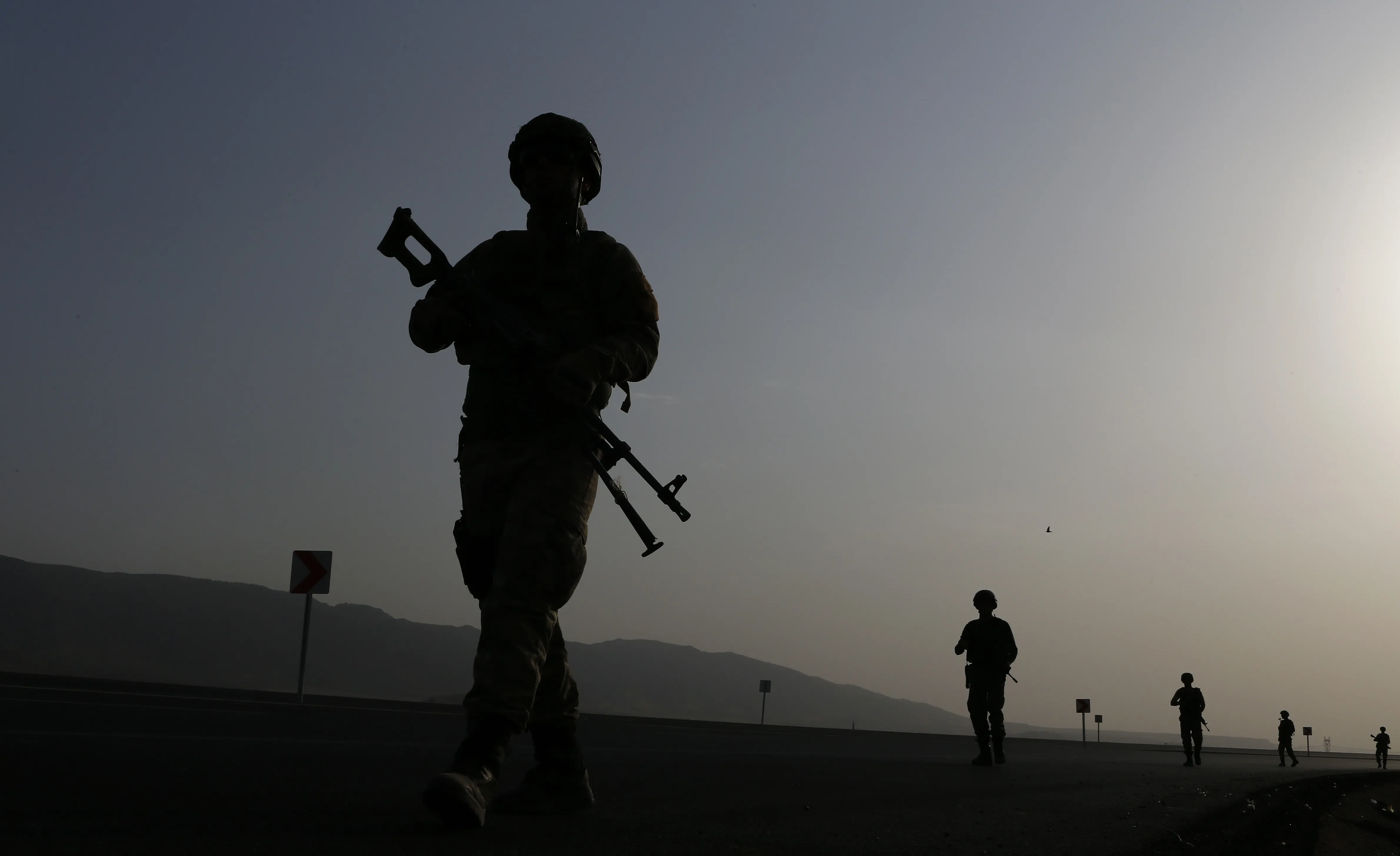
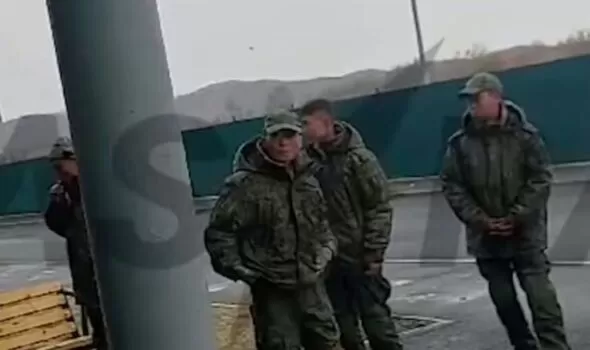 Image reportedly shows North Korean troops in Russia, aligning with reports of deployments.
According to intelligence gathered by MSMT participating states, a key element of the agreement involved Russia providing training to the North Korean soldiers before their deployment to the front lines. This training included instruction in artillery use, Unmanned Aerial Vehicle (UAV) operations, and basic infantry skills such as trench clearing, which are considered vital for frontline combat.
Combat Operations and Casualties
Approximately 10,000 North Korean troops were reportedly deployed to Kursk in December 2024 and immediately entered combat. The MSMT report confirmed combat involving North Korean forces in areas including Plekhovo in southeastern Kursk and later in the northwest, such as Malaya Loknya.
Another group of troops reportedly engaged in battles in the Makhnovka region and sustained significant damage.
The report indicates variations in the number of North Korean personnel deployed in 2025 to replace casualties. One MSMT participating state estimated that North Korea sent over 3,000 additional troops to Russia between January and March 2025.
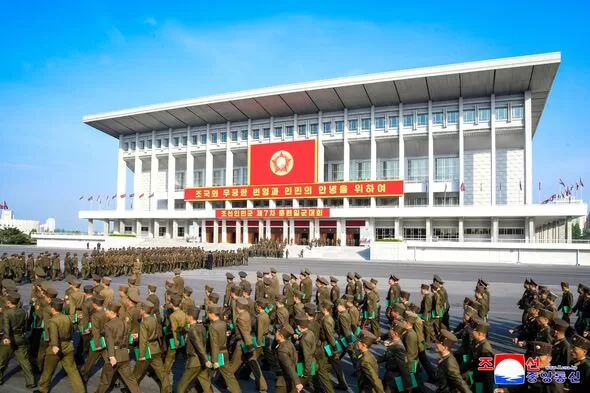 North Korean soldiers in formation, representative of troops reportedly sent to Russia for deployment in Ukraine.
Missile Transfers
In addition to troop support, North Korea simultaneously transferred ballistic missiles to Russia. The report states at least 100 such missiles were delivered and subsequently used by Russia in attacks against Ukrainian cities.
These missile strikes targeted civilian infrastructure and populated areas, including Kyiv and Zaporizhzhia.
Implications and Context
The alleged deployment of North Korean troops and transfer of missiles highlight deepening military ties between Pyongyang and Moscow. This cooperation allows North Korea to bypass international sanctions by potentially earning revenue and gaining valuable military experience, while providing Russia with additional personnel and weaponry for its ongoing conflict in Ukraine. Such activities are widely seen as undermining international efforts to pressure North Korea regarding its nuclear and ballistic missile programs and violating United Nations sanctions imposed on both countries.