Flying the B-2 Spirit stealth bomber on extremely long missions pushes pilots to their physical limits, requiring intense focus, endurance, and specialized training due to the aircraft’s design and mission requirements. During a notable 37-hour mission targeting facilities in Iran on June 22, pilots faced significant challenges including managing fatigue, the aircraft’s harsh environment, and complex in-flight refueling operations.
Contents
Pushing Human Limits
The B-2 Spirit stealth bomber can remain airborne for extended periods, limited primarily by pilot endurance. Its design allows for in-flight refueling, making mission duration potentially very long.
However, the aircraft’s environment presents challenges. According to a spokesperson from Whiteman Air Force Base, the bomber’s internal oxygen generation system creates a very dry atmosphere, requiring constant hydration and leading to issues like dry and cracking skin for pilots. Rest options are also minimal, with pilots attempting to sleep on a metal surface in a limited space behind the seats.
Designed for Stealth and Endurance
Developed during the Cold War, the B-2 was designed to penetrate sophisticated air defenses undetected. Its distinctive “flying wing” shape and radar-absorbent materials give it a radar signature comparable to a large insect. The bomber, first flown in 1989, is 52 meters wide.
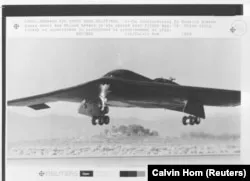 B-2 Spirit stealth bomber flies above the Mojave Desert during its second test flight in 1989
A B-2 Spirit stealth bomber above the Mojave Desert on the aircraft’s second test flight in August 1989.
The Stress of Air Refueling
One of the most demanding aspects of a long B-2 mission, such as the “Midnight Hammer” strikes, is air refueling, required approximately every six hours. Lieutenant General Mark E. Weatherington, Deputy Commander of the US Air Force Global Strike Command, highlighted air refueling as “absolutely crucial.” He noted that difficult conditions like darkness, clouds, or turbulence increase the required focus.
Pilots have reported becoming drenched in sweat after completing the delicate, approximately 30-minute refueling process. Unlike commercial travel or even other military flights, B-2 crews wear full flight gear, including a harness, lifejacket, and survival vest over their flight overalls. Changing clothes during a combat mission is impractical.
Minimal Crew, Maximum Efficiency
While configured for up to three crew members, the B-2 is typically flown by a crew of just two pilots. One pilot serves as the mission commander. This small crew size contributes to lower operating costs, as highly trained personnel are a significant expense for advanced military aircraft. Each B-2 costs around $2 billion, and only 21 were built.
Despite the tight quarters and demanding schedule, pilots can use the onboard microwave and bring food of their choice. Hydration is emphasized due to the dry cabin environment.
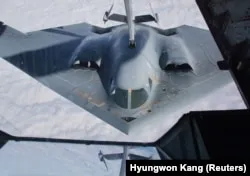 B-2 Spirit stealth bomber refuels in flight behind a tanker aircraft above Missouri in 2022
A B-2 Spirit stealth bomber refuels behind a tanker plane above Missouri in October 2022.
Managing Fatigue and Sleep
With a small crew, opportunities for rest are limited. B-2 pilots preparing for long combat missions often work with aerospace physiologists to adjust their sleep schedules. However, the effectiveness of sleep during the flight varies individually.
Following the Kosovo War, reports indicated that adrenaline during combat missions made pilots exhausted but unable to sleep during long sorties. Historically, B-2 pilots on some missions have reportedly used amphetamines to maintain alertness.
Executing the Strike
After numerous refuelings and limited rest during the lengthy transit, the most intense period for the pilots is typically the strike itself. Lieutenant General Weatherington described executing the mission in the target area as likely the most stressful phase.
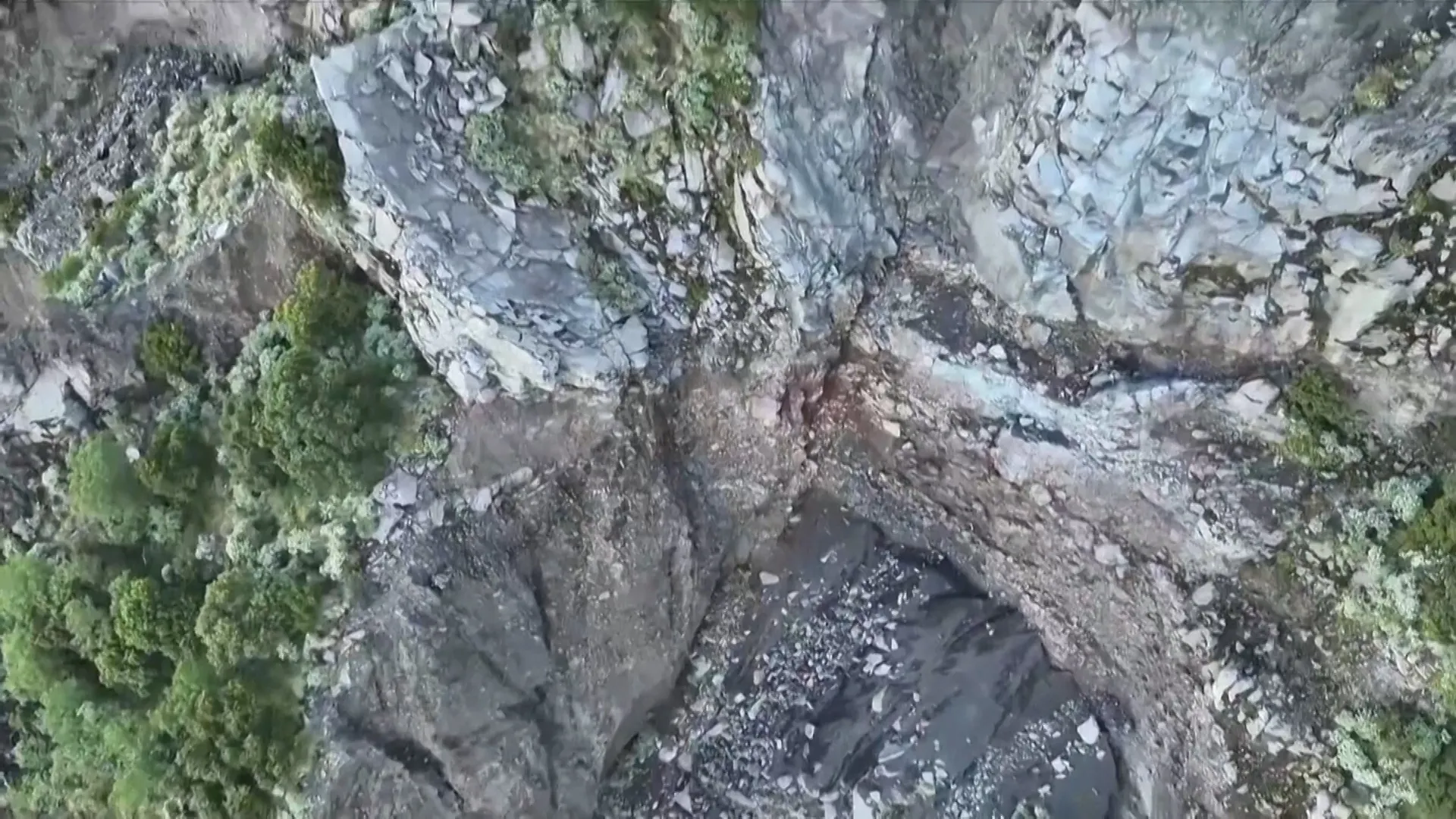
The Iran mission involved seven B-2s dropping 14 large bunker-buster bombs. Operating independently yet synchronized in the target area, especially against a country that has previously downed American unmanned aircraft, made it a highly demanding operation. Satellite images later showed the damage caused by the strikes, including filled-in bombing craters at the Fordow nuclear complex.
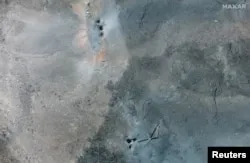 Bomb craters visible after bunker-buster bombs were dropped by B-2 aircraft at the Fordow underground nuclear complex near Qom, Iran
Holes left by bunker-buster bombs dropped from B-2 aircraft at the Fordow underground nuclear complex near Qom in Iran.
Conclusion
Long-duration B-2 stealth bomber missions, exemplified by the 37-hour flight to Iran, represent a significant test of both technological capability and human endurance. The aircraft’s stealth design enables deep strikes, but the operational realities of air refueling, a small crew size, and environmental factors place considerable stress on the pilots. Specialized training and preparation are essential to manage the physical and mental demands of these unique and challenging missions.
To understand the impact of these strikes, explore related reporting including New Satellite Images Show Damage And Clean Up At Iran’s Nuclear Sites. Further details on historical pilot experiences can be found in reported accounts on managing fatigue and studies on stimulant use.