Exposure to the sun can have serious long-term health consequences, as demonstrated by the experiences of Nicola Smart and Andrew Lines. Both individuals in Suffolk, UK, have undergone extensive treatment for non-melanoma skin cancer, urging others to prioritize sun safety. Their stories underscore the importance of protection and early detection in preventing or managing the effects of sun damage.
Contents
Years Under the Sun: Nicola Smart’s Story
Growing up in Africa, Nicola Smart spent considerable time outdoors, enjoying activities like surfing and lifeguarding under intense sunshine. This significant sun exposure in her youth later contributed to a diagnosis of non-melanoma skin cancer. Now aged 54, Mrs. Smart has faced years of ongoing treatment to manage the condition.
Non-melanoma skin cancer, the most common type, originates in the top layer of skin. Mrs. Smart has been diagnosed with both basal cell carcinoma and squamous cell carcinoma, the main types of this cancer. For over a decade, she has received cryotherapy on her hands, arms, and face. More recently, under dermatology care, she has undergone multiple biopsies and surgeries.
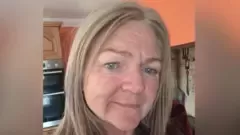 Nicola Smart, diagnosed with skin cancer, encourages sun safety.
A recent and particularly concerning development for Mrs. Smart was the discovery of a tumour located just above her lip. Initially noticing it as a persistent dry sore, a biopsy confirmed it was cancerous. The news was understandably distressing, particularly as her face is integral to her job as a companion for the elderly. She underwent surgery to remove the tumour, which required subsequent plastic surgery.
After receiving the “all clear” recently, Mrs. Smart felt immense relief. She is now a vocal advocate for sun protection, especially during May’s skin cancer awareness month. She strongly advises everyone to use high-factor sunscreen (Factor 50), cover up with clothing, and wear hats. “The sun is lethal,” she states, emphasizing that tanning is unnecessary for beauty and pale skin is perfectly healthy. Her own experience with cryotherapy has left visible scarring over the years, serving as a reminder of the long-term impact of sun damage.
Increased Risk and Accelerating Issues: Andrew Lines’s Experience
Andrew Lines, 70, also from Suffolk, has similarly faced diagnoses of non-melanoma skin cancer. His situation is compounded by a specific medical history: he received a kidney transplant from his brother at age 24 due to lifelong kidney problems. Individuals who have undergone organ transplants and take immunosuppressant medication are often at a higher risk of developing skin cancer because their immune system is less able to fight off damaged cells, including those affected by UV radiation.
Doctors had warned Mr. Lines of potential skin issues later in life. Following his transplant, he was encouraged to live fully and pursue activities he hadn’t been able to, including playing cricket. He spent 15 summers playing the sport, admitting he didn’t always use adequate sun protection despite being advised to do so, as he initially experienced no issues.
As he aged, Mr. Lines noticed his skin thinning and developing lesions. The problem worsened gradually, and a small lump on his head was diagnosed as skin cancer. He describes the issue as having “accelerated” in recent years, with four new concerns arising in the current year alone. Like Mrs. Smart, he has been diagnosed with both basal cell carcinoma and squamous cell carcinoma and is awaiting results from a recent biopsy on his nose.
For Mr. Lines, sun protection is now paramount, diligently using sun cream and wearing hats. The physical impact of the diagnoses has also affected his confidence, making him reconsider spending time outdoors in strong sun, even for beloved activities like watching cricket. He stresses the critical importance of consulting a doctor about any changes noticed on the skin as soon as possible.
Rising Cases and the Call for Vigilance
Organizations like Cancer Support Suffolk are observing a significant increase in skin cancer cases. The charity, which offered free skin checks at a recent event, noted an “unprecedented” amount of skin cancer in the county. A spokesperson highlighted that referral rates for suspected skin cancer are rising year after year, with more patients being seen annually.
The stories of Nicola Smart and Andrew Lines serve as powerful reminders of the potential long-term effects of sun exposure and the importance of proactive skin care and monitoring. For more information on non-melanoma skin cancer, you can visit the NHS website.
Learn more about skin health and personal experiences with sun damage:
- How to spot melanoma
- AI used for skin cancer checks at London hospital
- ‘I regret always reaching for the tanning oil’
- ‘A mole smaller than my little fingernail was cancer’