Recent reports indicate international travelers are facing heightened scrutiny and potential denial of entry into the United States based on the contents of their digital devices and social media. These incidents, involving an Australian writer and a Norwegian tourist, highlight concerns about privacy, free expression, and the criteria used by border officials. Key takeaways include reports of extensive digital device searches, interrogations on political views or personal content, conflicting accounts regarding reasons for denial, and international reactions focusing on the perceived strictness of US border policies.
Contents
Increased Scrutiny at the Border
US immigration policies have reportedly included scanning social media accounts of visa applicants and travelers seeking entry. This practice is intended to enhance security screening but has led to accounts of visitors being questioned and potentially turned away based on digital content deemed problematic by border officials. The criteria for what constitutes grounds for denial based on digital information appear broad and subject to interpretation, affecting individuals traveling for various purposes, including tourism and professional visits.
Case Study: Alistair Kitchen
Alistair Kitchen, an Australian writer and former Columbia University student, reported being detained for 12 hours upon arrival in Los Angeles during a layover en route to New York. According to his account, Customs and Border Protection (CBP) officials stopped him before processing and demanded access to his mobile phone. Kitchen stated he was pressured to comply under threat of immediate deportation.
He reported that the interrogation focused primarily on his past reporting on Palestinian protests at Columbia University while he was a student there on a visa. He was reportedly asked about his opinions on the conflict, Israel, Hamas, and student protesters, and asked to name individuals involved in the protests or share information about WhatsApp groups. Kitchen stated that officials scrolled through his phone’s contents, including personal photos, despite his reluctance. He was ultimately denied entry and returned to Australia. US authorities have reportedly denied allegations that he was arrested for political beliefs.
Case Study: Mads Mikkelsen
In another widely reported incident, Norwegian tourist Mads Mikkelsen claimed he was denied entry to the US partly because of a satirical meme found on his phone. Mikkelsen reported being stopped and questioned by immigration officials upon arrival. He stated he was asked about drug trafficking, terrorism, and extremism, which he described as groundless.
Mikkelsen reported being placed in a holding cell and asked to hand over his belongings, including his phone. He claimed officials threatened a fine or imprisonment if he did not provide access to his device. Upon gaining access, officials reportedly found a meme depicting US politician JD Vance with digitally altered features. Mikkelsen also mentioned officials seemingly signaling disapproval of a photo of him with a homemade wooden pipe.
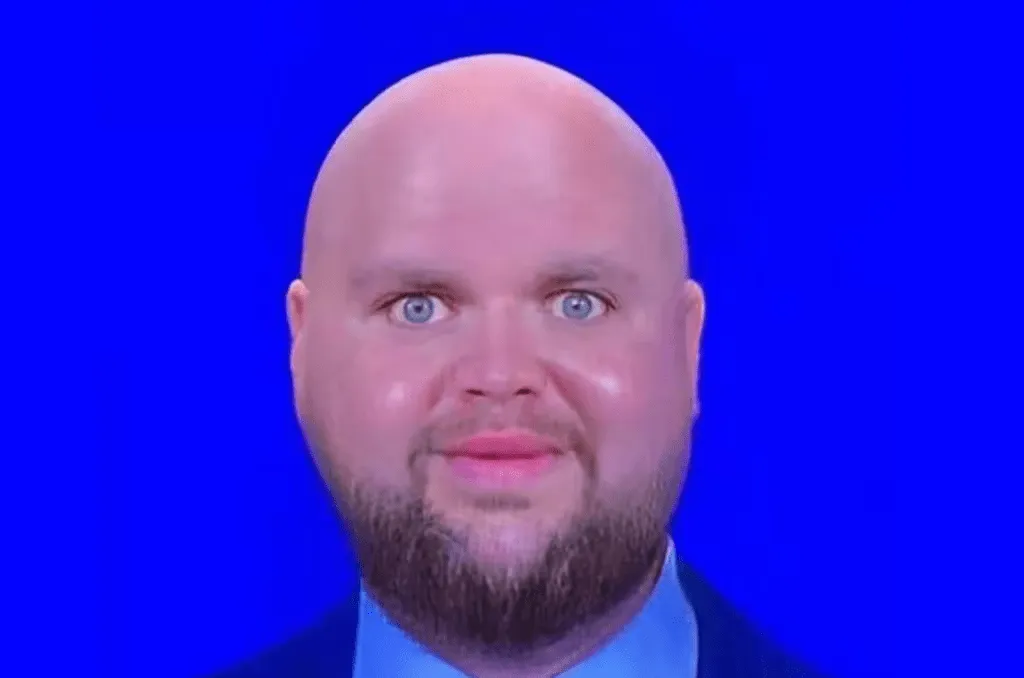 Satirical meme image depicting US politician JD Vance with altered features, linked to a traveler's denied entry
Official Responses and Treatment
Following media reports on Mikkelsen’s case, the Department of Homeland Security (DHS) reportedly denied that the meme was the reason for his denial of entry. DHS sources indicated the reason was Mikkelsen’s alleged admission of past drug use, specifically mentioning marijuana use in New Mexico and Germany. Mikkelsen reportedly acknowledged using marijuana twice and pointed out its legal status in those locations at the time, though federal law in the US still prohibits it regardless of state legality.
 Screenshot of text statement regarding the US Department of Homeland Security's response to a tourist's claim of being denied entry over a meme
Beyond the reason for denial, Mikkelsen also described treatment during detention that included being strip-searched, fingerprinted, and having blood samples taken, before being held for several hours and put on a flight back to Norway. These accounts of intrusive searches and procedures have drawn particular attention.
International Reaction and Perception
The stories, particularly Mikkelsen’s account involving the meme, gained significant traction internationally. The meme itself, which had circulated previously, saw renewed spread and was used to mock both the politician depicted and US border policies. For example, an Irish politician reportedly displayed the meme during a legislative session while discussing related matters.
 Irish politician Ivana Bacik holding up a paper showing the satirical JD Vance meme during a legislative session
Commentary outside the US has noted that the public reaction to Mikkelsen’s meme story was often one of disturbed believability rather than outright skepticism. This reaction suggests a perception among international observers that US border procedures have become increasingly strict and unpredictable, potentially impacting the country’s image and discouraging travel.
These incidents and their reporting raise questions about the balance between national security screening and the rights and privacy of international travelers entering the United States.
Explore related articles on US immigration policy, border security measures, and international travel regulations.