Ukraine’s key allies, including the United States, United Kingdom, and Germany, have recently modified restrictions, now permitting Kyiv to use some Western-supplied weapons for limited strikes against targets inside Russia. This significant policy shift comes as the conflict on the ground remains largely static, pushing both sides to seek strategic advantages through other means, particularly long-range capabilities.
Contents
This change allows Ukraine to target certain military sites within Russia that are used to launch attacks against Ukrainian territory. It marks an evolution in Western support, aiming to help Ukraine defend itself more effectively against cross-border assaults.
Understanding the Levels of Warfare
Military operations are typically understood across three levels: tactical, operational, and strategic.
- Tactical: Small-scale actions and engagements on the battlefield.
- Operational: Planning and execution of major operations and campaigns to achieve strategic objectives.
- Strategic: Long-term efforts to achieve the overarching political goals of a conflict.
While battlefield movements have been slow, Russia has utilized long-range missiles and drones like the Shahed 136 to conduct strikes deep inside Ukraine. These attacks target both military infrastructure and civilian areas, serving strategic goals such as reducing Ukraine’s industrial capacity and attempting to undermine public morale. Russia has benefited from its ability to build and deploy these weapons without the threat of reciprocal strikes on its production facilities, partly due to previous restrictions on Ukraine’s use of Western arms.
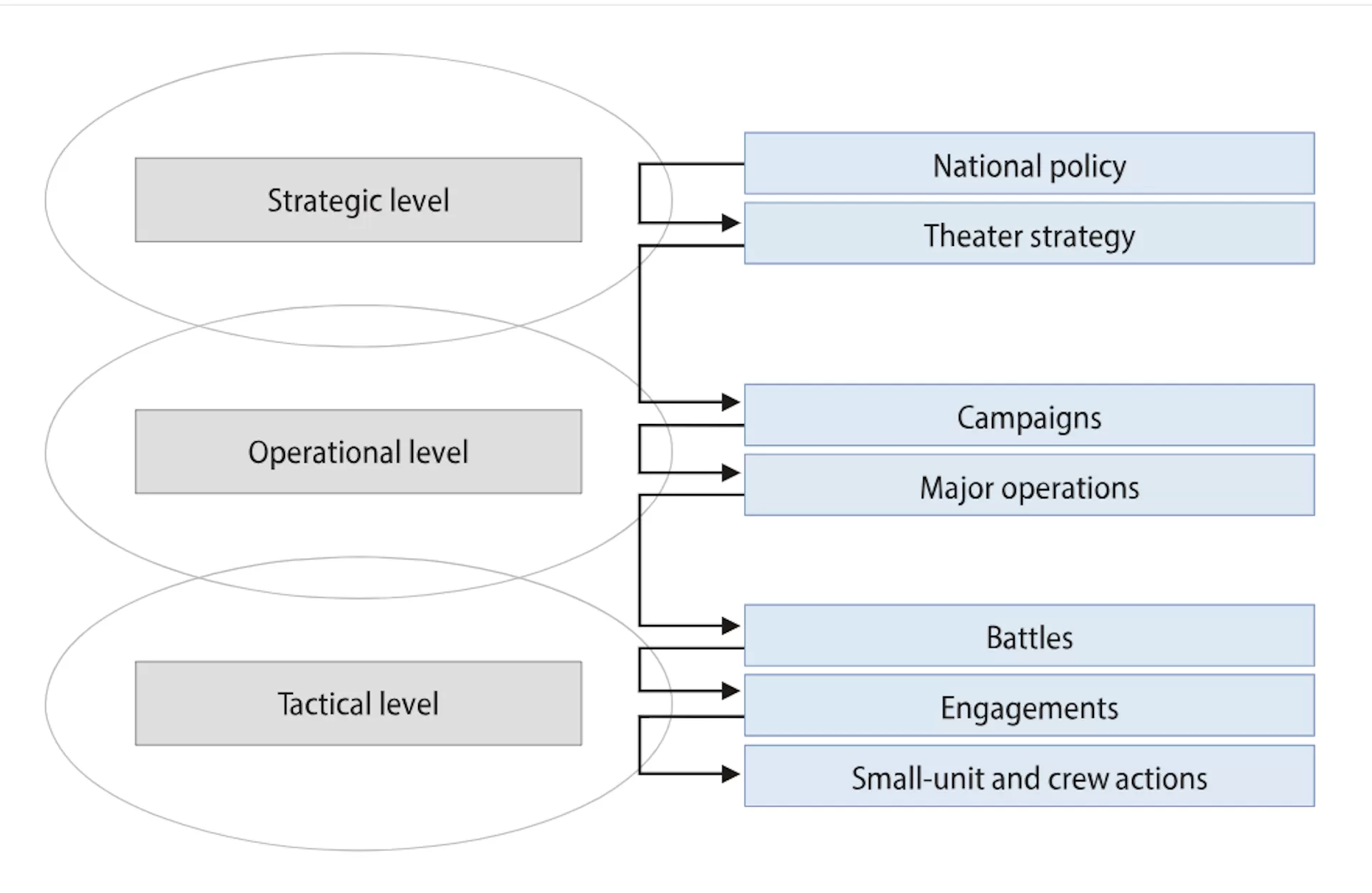 Diagram illustrating the relationship between tactical, operational, and strategic levels of warfare
Lifting Restrictions: A Strategic Shift
The recent decisions by the US, UK, and Germany to lift restrictions on Ukraine using their provided weapons to strike certain targets in Russia represent a notable change. Previously, while Ukraine could use its own domestically produced weapons for such strikes, it was generally prohibited from using longer-range systems supplied by Western partners against Russian territory.
This policy shift is intended to create strategic challenges for Russia. Germany, for example, recently announced its support for Ukraine developing capabilities, including potentially using German-supplied Taurus missiles (which have a range of over 500km), for strikes inside Russia. This could complicate Russia’s ability to mass forces or store weapons near the border without fear of reprisal.
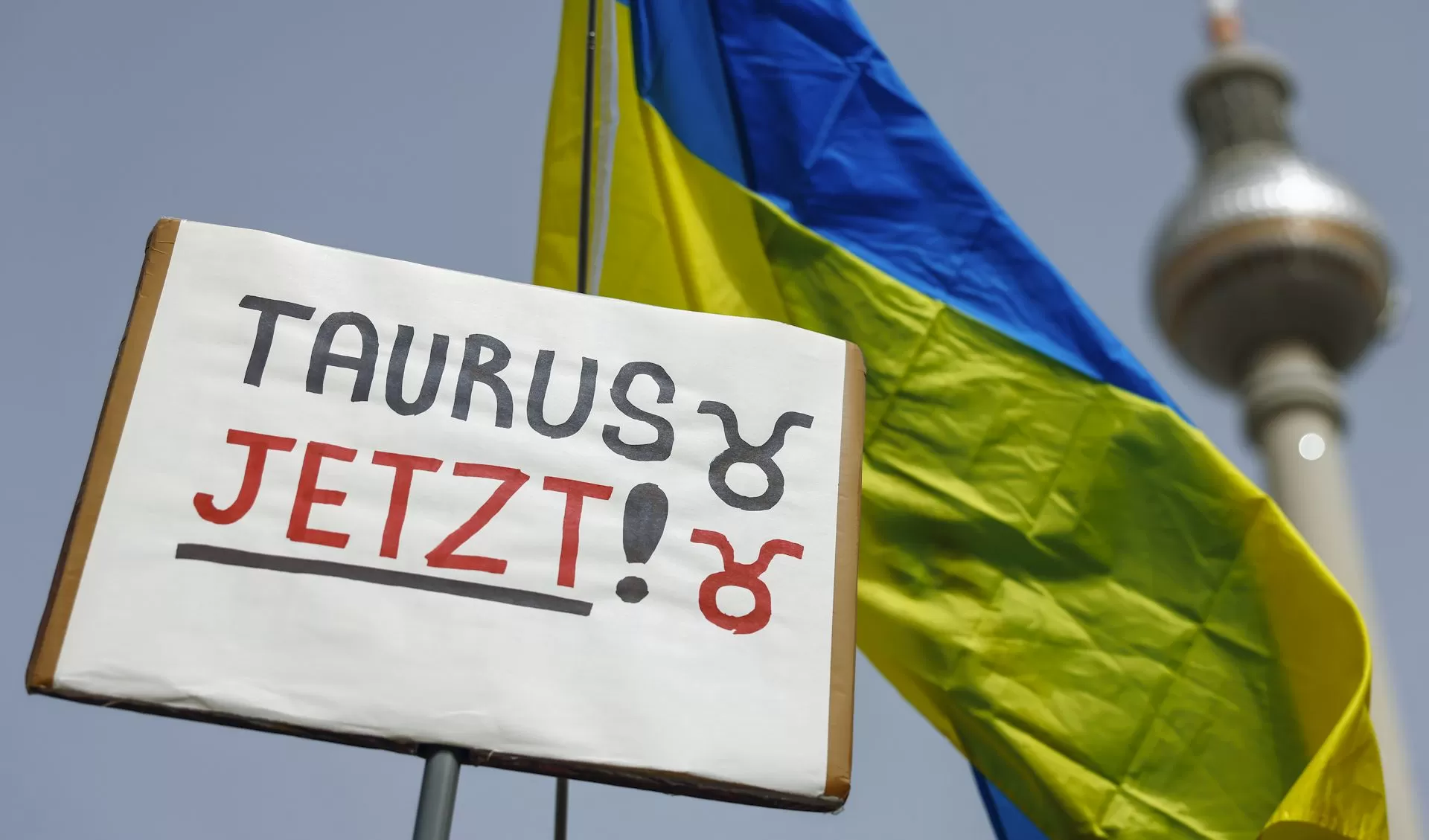 Protest sign in Germany reading 'Taurus now!' in front of a Ukrainian flag, advocating for providing Taurus missiles to Ukraine
The full impact of this policy change on the battlefield remains to be seen. While Ukraine can now theoretically strike some Russian military production sites, reports indicate Russia has significantly ramped up its arms manufacturing capacity. NATO’s top US commander has reportedly stated that Russia is on track to build a stockpile three times larger than the combined production of the United States and Europe.
Implications and Risks
This lifting of restrictions extends earlier, more limited approvals that allowed Ukraine to use Western weapons defensively against targets in Russia close to the border or against missile launchers directly threatening Ukraine. The new policy broadens the potential range and type of targets Ukraine can strike with allied-provided systems.
However, the relaxation comes with caveats. Allies have indicated that restrictions could be reimposed if Ukraine conducts large-scale strikes against civilian populations in Russia, a move that would likely generate international criticism.
There is also concern about Russia’s reaction. Moscow has repeatedly issued warnings of severe consequences should Ukraine use Western weapons for attacks within Russia. The political ramifications and potential for escalation are significant factors being monitored by Kyiv’s allies.
Ultimately, while the military effect on the ground may take time to materialize due to Russia’s production capabilities, the decision to allow limited strikes inside Russia with Western weapons represents a potentially consequential political shift in the ongoing conflict.
- For more context on Russia’s military production, read: [Link to a simulated related article about Russia’s arms industry]
- To understand the debate around targeting civilian populations in warfare, see: [Link to a simulated related article on military strategy and morale]
- Explore previous instances of restrictions on military aid: