The United States will “aggressively revoke” the visas of Chinese students, particularly those with connections to the Chinese Communist Party (CCP) or studying in critical fields, Secretary of State Marco Rubio announced. This action, part of the Trump administration’s efforts to tighten controls on international students, citing national security concerns, has drawn strong criticism from China.
Key Takeaways:
- The US plans to cancel visas for Chinese students linked to the CCP or in sensitive study areas.
- Future visa applications from China and Hong Kong will face increased scrutiny.
- China condemned the decision, calling it politically motivated and discriminatory.
- The move is part of broader US restrictions on foreign students and academic institutions.
US Targets Chinese Student Visas
Secretary of State Marco Rubio stated that the US State Department, in cooperation with the Department of Homeland Security, will target Chinese student visas for revocation. The policy focuses on individuals with reported ties to the Chinese Communist Party or those enrolled in fields deemed critical to national security.
A State Department statement, titled “New Visa Policies Put America First, Not China,” confirmed the plan. “Under President Trump’s leadership, the US State Department will work with the Department of Homeland Security to aggressively revoke visas for Chinese students, including those with connections to the Chinese Communist Party or studying in critical fields,” the statement said.
The statement also indicated revisions to future visa processing. “We will also revise visa criteria to enhance scrutiny of all future visa applications from the People’s Republic of China and Hong Kong,” it added.
China’s Ministry of Foreign Affairs spokesperson Mao Ning strongly criticized the US decision. Mao stated that the US had “unreasonably cancelled Chinese students’ visas under the pretext of ideology and national rights,” which “seriously damaged” their rights.
Mao described the action as a “political and discriminatory practice” that exposes “the lies of the so-called freedom and openness that the US has always advertised.” China has lodged formal representations with the US government.
China represents the second-largest source country for international students in the US, after India. During the 2023-2024 academic year, over 270,000 Chinese students were enrolled in US institutions, making up approximately a quarter of the total foreign student population. Given the large membership of the Communist Party in China (over 90 million), many students from elite or even ordinary backgrounds may have familial or indirect connections to the party.
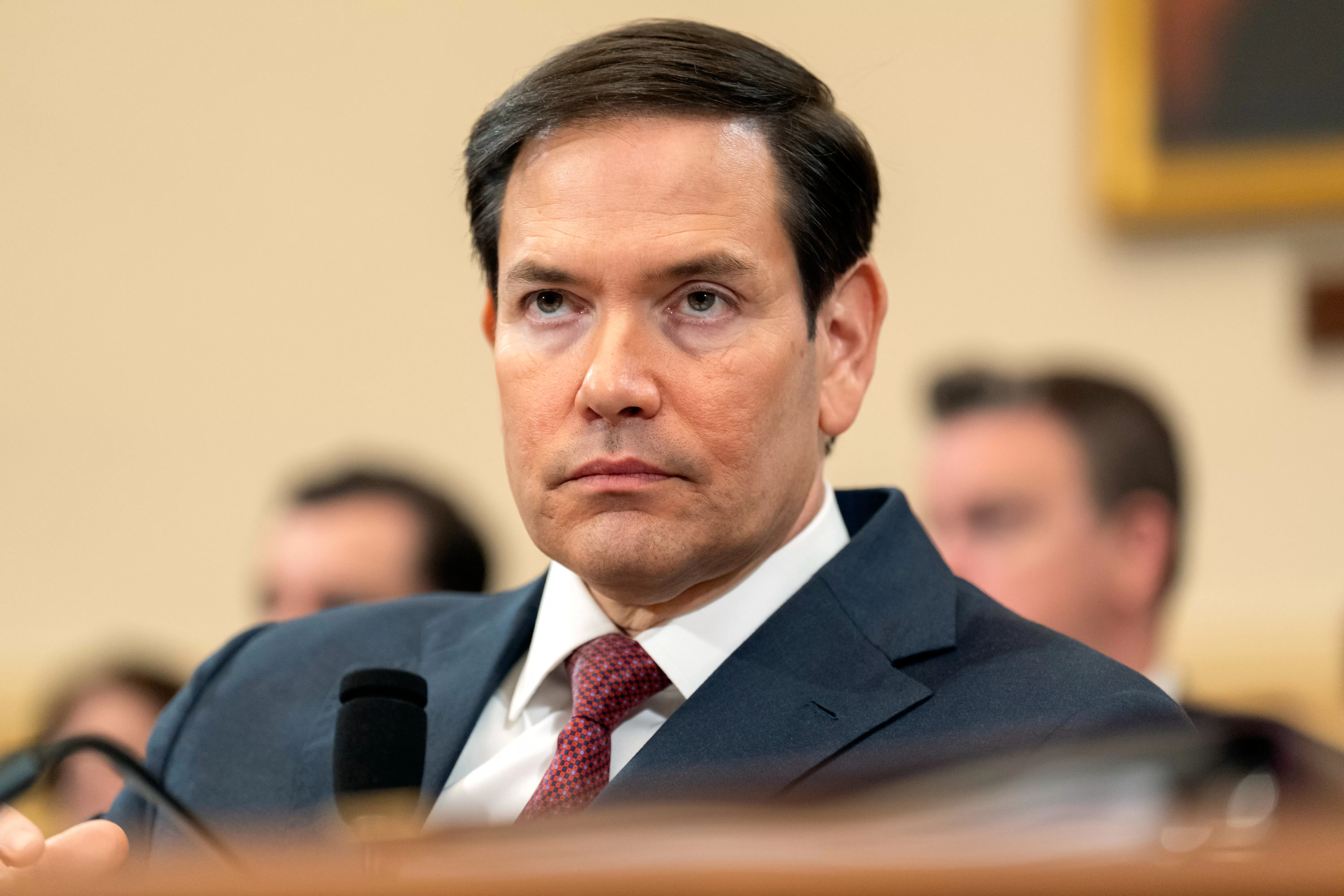 Secretary of State Marco Rubio at a House Committee hearing
The increased scrutiny on Chinese students comes amid rising tensions between Washington and Beijing. President Trump initiated a tariff war with China upon returning to office, citing trade imbalances. Some US lawmakers have also raised concerns that ties between American and Chinese academic institutions could pose a threat to national security by facilitating technology transfer.
Broader US Restrictions on International Students
The announcement targeting Chinese students is part of a wider trend of increased restrictions and uncertainty for international students under the current administration.
Earlier in the week, the White House ordered a temporary suspension of processing for all foreign student and exchange visas. Embassies and consulates were directed not to issue new visas until further guidance. The State Department also plans to issue guidelines for expanded social media vetting for all such visa applications.
These measures add to other recent actions impacting international students and universities. Last week, the Trump administration revoked Harvard University’s approval to enroll international students, a move that has since been temporarily blocked by a federal judge. This action against Harvard occurred during a standoff between the White House and the university over its handling of campus protests and diversity programs.
Separately, Secretary Rubio and the State Department have reportedly sought to revoke hundreds of existing educational visas. These revocations have targeted visiting students for alleged minor legal infractions, political advocacy, or expression deemed inflammatory.
Many of the students reportedly targeted for visa revocation or arrest have participated in pro-Palestine and anti-Gaza war protests that have taken place on university campuses across the US since Israel’s military actions in the Palestinian territories. The administration has accused some of these students of spreading antisemitism on campus, an allegation denied by the students, their lawyers, and civil liberties advocates.
Conclusion
The US decision to aggressively revoke visas for certain Chinese students and increase scrutiny on future applications reflects escalating tensions between the two countries and concerns over national security and technology transfer. This step is part of a broader pattern of actions by the Trump administration affecting international students and higher education, including temporary halts on visa processing and increased vetting based on affiliations and activities. The moves highlight the growing intersection of foreign policy, national security interests, and academic exchange.