US Defence Secretary Pete Hegseth held a press briefing on Thursday to criticize media coverage regarding the effectiveness of recent US strikes on Iran’s nuclear program. Hegseth disputed reports based on a leaked intelligence assessment, asserting the strikes achieved significant success while accusing some news outlets of biased reporting.
Contents
Defence Secretary Addresses Strike Effectiveness Reports
During the briefing, Hegseth specifically addressed reports suggesting that the weekend’s strikes had only set back Iran’s uranium enrichment program by a limited amount of time. These reports referenced details from a leaked intelligence report from the Defense Intelligence Agency (DIA).
Hegseth stated that the DIA assessment was preliminary and had not been coordinated with other agencies within the intelligence community. He contended that other intelligence assessments offered more positive evaluations of the damage inflicted on the sites.
He criticized several news outlets, including CNN and The New York Times, alleging their reporting was based on biased leaks and politically motivated to undermine President Trump or the country. He also specifically singled out Fox News correspondent Jennifer Griffin, claiming she intentionally misrepresented President Trump’s statements.
Hegseth stated that there was “a great deal of irresponsible reporting” stemming from the preliminary intelligence assessment and criticized what he described as “biased leaks to biased publications.”
Reports Based on Leaked Intelligence
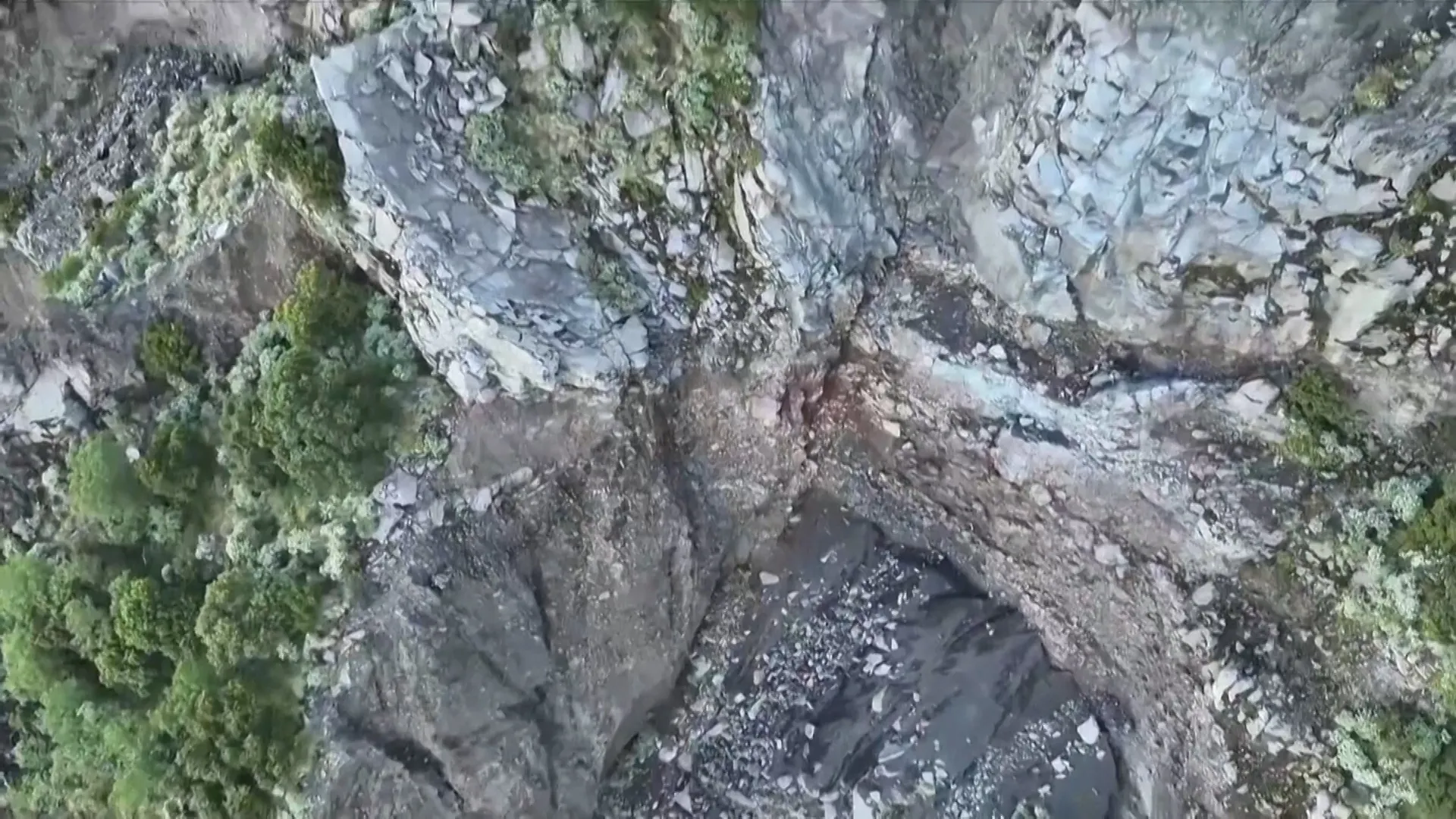
Earlier in the week, reports from outlets including The New York Times and CNN detailed findings from the leaked DIA assessment. This assessment suggested that the strikes had resulted in damage that would only delay Iran’s uranium enrichment program by a couple of months. The report indicated that bombs had not penetrated the subterranean tunnels at the Fordo facility and that Iran may have moved key materials in advance of the anticipated air raid.
Jennifer Griffin had questioned Hegseth during the briefing about the certainty of highly enriched uranium storage at a mountain bunker site, noting satellite photos that reportedly showed trucks at the location two days prior to the strikes. [Related: Intelligence reports on Iran’s nuclear program]
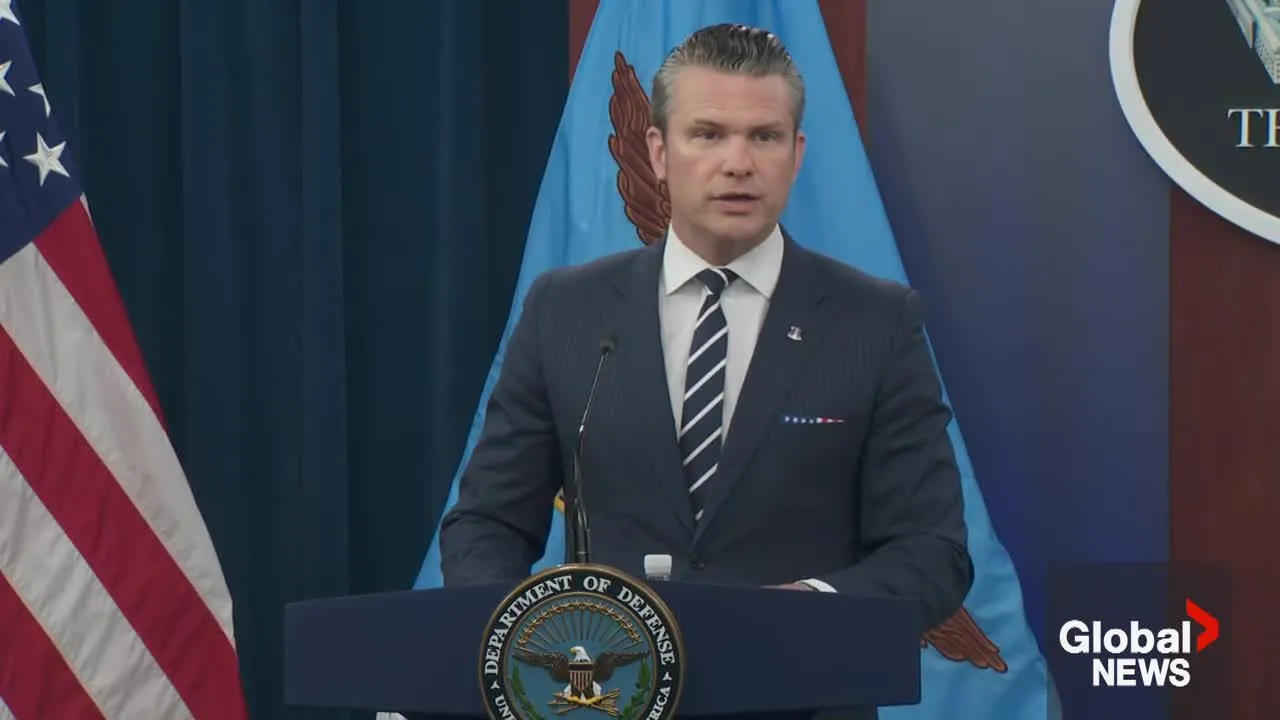 Thumbnail for video on US Defense Secretary Hegseth discussing Iran nuclear ambitions.
White House Defends Strike Results
Following the strikes and the subsequent media reports, President Trump and other administration officials dismissed the assessments suggesting limited damage. Trump declared the operation a “complete success” that had “obliterated” Iran’s nuclear capabilities.
On social media, President Trump strongly reacted to the reporting, accusing The New York Times and CNN of attempting to “demean one of the most successful military strikes in history.” He insisted that the nuclear sites in Iran were “completely destroyed.” He also suggested that coverage casting doubt on the mission was an insult to the military personnel involved.
White House press secretary Karoline Leavitt also commented on the situation earlier in the week, stating that the individual responsible for leaking the intelligence to journalists should “be in jail” and referred to the unknown party as “a low-level loser in the intelligence community.”
President Trump also contested the idea that Iran could have moved nuclear material before the strikes, stating it “Would take too long, too dangerous, and very heavy and hard to move!”
 Thumbnail for video debating effectiveness of US strikes on Iran nuclear facilities.
Context of the Strikes
The press briefing and subsequent commentary occurred days after the United States conducted military strikes targeting facilities associated with Iran’s nuclear program. The operation was described by the administration as a response to ongoing nuclear activities by Iran.
The differing accounts regarding the effectiveness of the strikes highlight a public disagreement between the administration’s claims of definitive success and reporting based on a preliminary intelligence assessment suggesting a less impactful outcome.