Recent United States tariffs are influencing trade patterns and the availability of imported goods in China. This is particularly evident in Chinese grocery stores, where some American products are being replaced by alternatives from other countries.
Contents
The shift highlights how tariff policies can directly affect consumer choices and international supply chains.
The Impact on Grocery Shelves
Observations from within China suggest a noticeable change in which imported products are most readily available to consumers. While tariffs are often discussed at a high level, their practical effects can be seen on supermarket shelves.
A Viral Observation
A content creator gained attention online after sharing a video documenting changes in a Chinese grocery store. The video specifically highlighted the reduced presence of US beef and the increased availability of Australian beef. According to the creator, this shift is a direct consequence of the tariffs.
 Woman examines packaged meat in a Chinese supermarket, illustrating the shift in product availability.
The creator noted that this observation resonated with viewers globally, including those from the US and Australia, who often commented on perceived differences in beef quality or the broader economic implications of tariffs.
Shifting Preferences and Supply Chains
The practical consequence of tariffs is that they can make imported goods more expensive, prompting businesses and consumers to seek alternatives. In the case of beef, Australian suppliers appear to be filling the gap left by reduced US imports.
This trend is not limited to beef. Reports indicate that other US agricultural exports, such as pork, are also facing challenges, with Chinese businesses exploring suppliers in countries like Canada.
Broader Economic Consequences
While the replacement of a specific product like beef in grocery stores might seem minor in the large scale of international trade, it represents a significant financial impact on US exporters. US beef exports to China were previously valued at around $125 million per month. Tariffs increase the cost of these goods, making them less competitive and potentially leading to a loss of market share for American producers.
The broader trend suggests that China is actively finding substitute sources for goods previously imported from the US. This can have significant consequences for American businesses, including smaller companies that may struggle to absorb increased costs or find new export markets.
Public Perception and Discussion
The online discussion generated by the viral video and similar observations reflects varying perspectives on the effects of tariffs. Many comments highlight surprise at the visible changes in Chinese stores.
Online reactions often centered on the perceived quality of alternative products, such as Australian beef, and debated who ultimately bears the cost of the tariffs. Some users also linked the changes directly to US trade policies and their potential impact on different economies and industries.
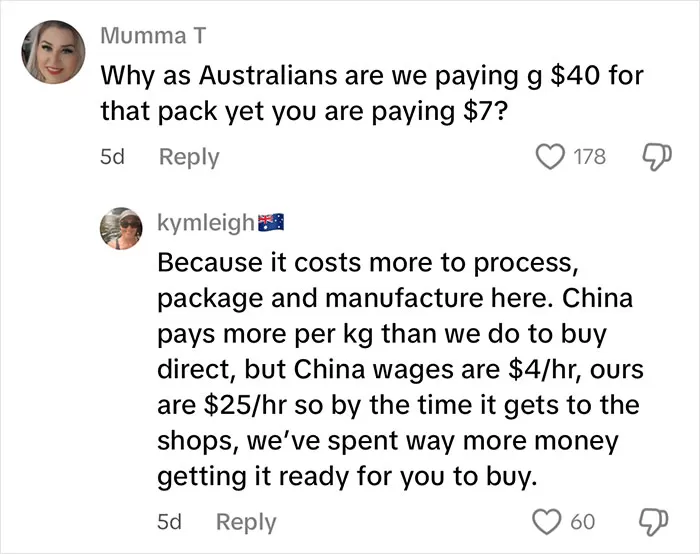 Social media comments discuss price differences and product origins in China amid tariff impacts.
 A social media comment from Denmark notes reduced American product purchases, reflecting global shifts.
 A social media user comments that Australian beef quality is superior to American beef.
 Comment discusses US food regulations compared to Australian standards in the context of changing trade.
 A social media comment reflects on the impact of US sanctions and tariffs.
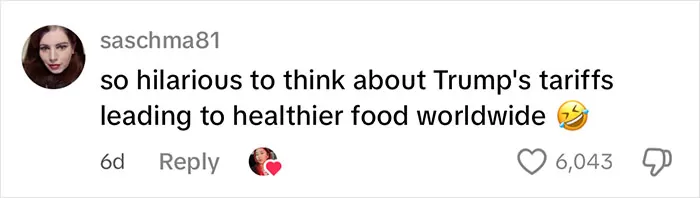 Social media comment referencing a US political figure in relation to tariffs.
 Comment from a UK user discusses China dropping US products and the impact on American farmers.
 Social media comment compares American beef to grass-fed beef from New Zealand and Australia.
Conclusion
The visual evidence from Chinese grocery stores, supported by accounts from those on the ground, suggests that US tariffs are contributing to a shift away from American goods in favor of international alternatives. This trend impacts US export markets and highlights the direct consequences of trade policies on global supply chains and consumer access to products.