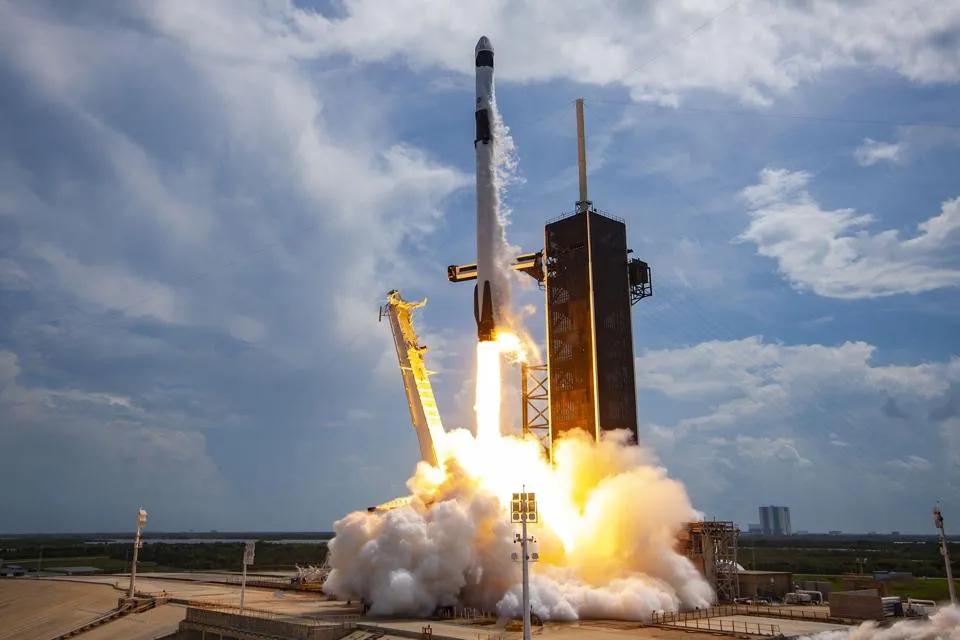
Earth’s orbit is becoming a cosmic junkyard, packed with tens of thousands of pieces of space debris. These defunct satellites and discarded rocket parts pose a growing threat to active spacecraft and could trigger cascading collisions, potentially making space unusable. Cleaning up this mess is incredibly expensive, costing millions of dollars per object, which raises a critical question: how do we decide which dangerous piece of orbital debris gets removed first? New research reveals that the answer depends dramatically on how we combine expert opinions on this complex problem, highlighting a major challenge for future space cleanup efforts.
Contents
Key Takeaways: The volume of space junk is rapidly increasing, threatening space operations. Actively removing debris is necessary but costly, making prioritization vital. While experts agree on some priorities, a new study shows that different methods for combining their opinions result in completely different lists of which debris is most critical to remove.
The Growing Threat Overhead
Imagine a minefield surrounding our planet, except the dangers aren’t buried below ground – they’re hurtling through space at thousands of miles per hour. That’s essentially what low Earth orbit is becoming. Data shows the number of objects circling Earth keeps rising. Computer simulations paint a worrying picture: without intervention, collisions could become routine, potentially triggering a chain reaction known as the Kessler Syndrome, where more collisions create more debris, leading to even more collisions.
The Challenge of Picking Priorities
International space agencies agree that simply stopping new debris isn’t enough; we need to actively remove existing large pieces before they break apart into even smaller, untrackable fragments. Experts estimate five to ten large objects need removing each year just to stabilize the environment. But with removal costs soaring into the tens of millions for a single piece, choosing the right targets is absolutely crucial.
A few years ago, eleven international teams of space experts tackled this problem. Each created a ranked list of the 50 pieces of debris they considered most concerning. They used sophisticated methods, looking at factors like mass, collision probability, orbital path, and how close they were to active satellites. While there was a “remarkable” consensus with 20-40% of objects appearing on multiple lists, their lists weren’t identical. Only one object made it onto every single list.
 An image of the International Space Station in orbit, a reminder of the human presence and accidental sources of space debris like a dropped toolbox.
A Mathematical Twist: Social Choice Theory
Enter researchers from France and Spain. They looked at the results from the eleven expert teams and applied a field of mathematics called social choice theory – essentially, the study of how to make collective decisions or combine votes fairly. Their goal: understand how different ways of combining these expert lists would impact the final, unified priority list for debris removal.
How Combining “Votes” Changes Everything
The original study that combined the expert lists used a specific method: they scored each object based on its ranking position (like points in a voting system) and multiplied that by the number of expert lists it appeared on. Using this hybrid approach, object #22566 was identified as the top priority for removal.
However, the new research shows this conclusion isn’t set in stone. If you use a different, but equally valid, method from social choice theory – like the classic Borda count (just based on rankings) – a different object, #22220, emerges as the top priority. If you use another method, like the Condorcet winner principle (finding the object that would beat every other object in theoretical head-to-head comparisons), yet another object, #27006, takes the lead.
These aren’t minor technical differences; they represent fundamentally different ideas about how we should make group decisions, with real-world consequences for where scarce resources are spent.
 Close-up view of a small but dangerous impact from orbital debris on a window of the International Space Station.
Beyond Rankings: A Better Way Forward?
The researchers suggest that our approach to prioritizing debris removal needs fundamental changes. Instead of forcing experts to narrow their focus to a fixed number (like 50 objects), they propose allowing teams to identify all the objects they genuinely consider concerning. This respects the idea that a piece of debris is either hazardous or it isn’t, regardless of how it ranks against a fixed number of others.
They also recommend moving away from ranked lists towards evaluative voting. Experts would assess each piece of debris against absolute criteria, perhaps labeling it “extremely hazardous,” “hazardous,” or “acceptable risk,” rather than just ranking it relative to others. This could provide a more stable and robust prioritization system.
The Bigger Picture: Expert Opinions and Global Challenges
This study shines a light on a broader challenge we face in science and policy: how do we fairly combine the knowledge and opinions of multiple experts when making high-stakes decisions with limited resources? Prioritizing space debris shares similarities with other complex global problems, from deciding who gets vaccines during a pandemic to choosing the best strategies for tackling climate change.
The research also points out a current blind spot in debris removal planning: we tend to look at objects one by one, without fully accounting for the dynamic effects. Removing one large piece changes the risk landscape for all the others. We need approaches that consider the costs and benefits of removing debris in sequences, not just as isolated targets.
 Illustration depicting a satellite breaking apart into numerous smaller pieces of space debris in Earth's orbit.
What’s Next for Earth’s Orbit?
With private companies launching thousands of new satellites and the possibility of space tourism growing, Earth’s orbital neighborhood is only going to get more crowded. While technology for space cleanup missions is advancing, with tests planned for 2025 and 2026, the core challenge of deciding what to remove and in what order remains.
The methods we develop today for combining expert knowledge and making collective decisions about space junk will likely determine whether future generations can freely explore and use space or inherit a hazardous, debris-filled environment that takes centuries to clear.
To learn more about the problem of space debris or the potential orbital cleanup technologies, continue exploring our articles on space safety and sustainability.