
Imagine uncovering a landscape frozen in time, hidden beneath miles of ice for millions of years. That’s exactly what scientists studying the East Antarctic Ice Sheet have done. They discovered a vast, ancient river-carved landscape, a hidden world preserved under more than a mile of ice, offering an unprecedented look into Antarctica’s deep past.
Contents
This remarkable finding acts like a time capsule, revealing what the continent looked like before the colossal ice sheet formed. Studying this buried landscape provides vital clues about past climate cycles and could dramatically improve predictions for how the Antarctic ice sheet might behave as the planet warms.
Discovering a Hidden World Beneath the Ice
For decades, the land beneath Antarctica’s massive ice sheets has remained more mysterious to researchers than the surface of Mars. But a team of scientists, led by Stewart Jamieson of Durham University, has pulled back the icy curtain on a significant portion of this hidden realm.
Using advanced radar technology from a Canadian satellite system called RADARSAT, the researchers peered through the incredible thickness of the East Antarctic Ice Sheet. What they found was not flat or uniform, but a complex landscape sculpted by ancient rivers, spanning nearly 4 million square miles. It’s a detailed map of mountains and valleys created by water flow from around 34 million years ago, right before the ice sheet began its slow, massive growth.
Stewart Jamieson described the discovery as like “uncovering a time capsule.” This preserved world gives experts a unique glimpse into the geological history of a crucial region of the planet.
Why This Ancient Landscape Matters Today
Finding this ancient landscape isn’t just a fascinating peek into history; it’s critical for understanding our future. The shape of the land beneath an ice sheet plays a huge role in how the ice flows. Think of it like the foundation under a building – it dictates stability and how forces are distributed.
Because the East Antarctic Ice Sheet sits on land, unlike the floating ice of the Arctic, its melting directly contributes to global sea-level rise. The basin where this buried landscape was found holds enough ice to potentially raise sea levels by a staggering 25 feet or more if it were all to melt.
Understanding the subglacial landscape helps scientists build better models of how ice sheets respond to changes in climate. By seeing how the ice sheet formed and flowed over this specific landscape in the past, researchers can gain crucial insights into how sensitive it might be to future warming temperatures.
Duncan Young, a research scientist from the University of Texas Institute of Geophysics involved in the study, noted that this particular buried landscape seemed unusually well-preserved. The team is now working to understand why it was preserved so effectively, hoping this knowledge will help them locate other potentially hidden ancient landscapes beneath the ice.

A flooded playground serves as a visual reminder of the potential impacts of rising sea levels fueled by ice melt.
Antarctica’s Ice and Global Sea Levels
Antarctica and Greenland together hold about two-thirds of Earth’s fresh water locked up in their ice sheets. And they are losing mass at an alarming rate. According to NASA, the Antarctic ice sheet alone is currently shedding approximately 150 billion tons of ice every single year.
This rapid ice loss has direct consequences for coastal communities around the world. Scientists urgently need to refine their predictions about the pace and extent of future sea-level rise, and discoveries like the buried East Antarctic landscape provide essential pieces of this complex puzzle.
Looking Ahead and Taking Action
Understanding the Earth’s past climate and geological history, like this discovery under the East Antarctic Ice Sheet, is vital for preparing for the future. Predicting how massive ice sheets will respond to continued climate change is one of the most pressing scientific challenges we face.
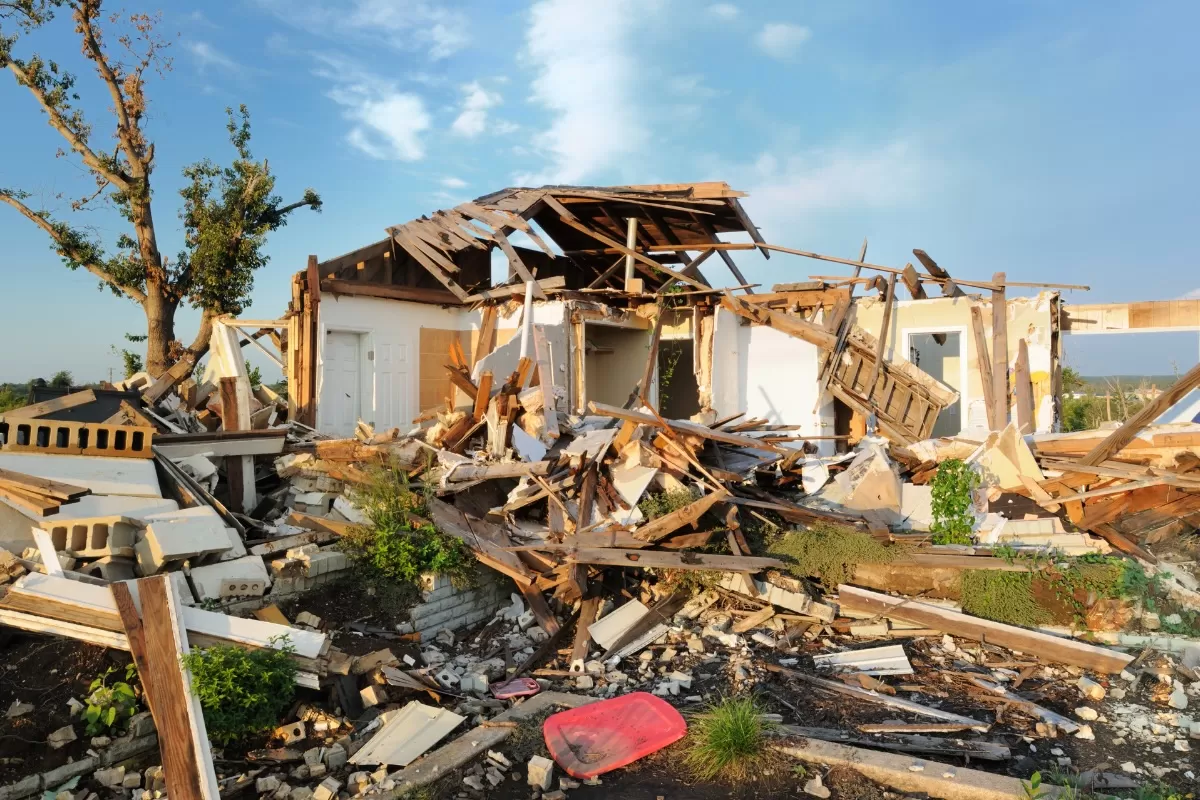
Severe weather events, potentially intensified by climate change, highlight the need for understanding global climate systems.
While scientists work on these large-scale predictions, preventing further planet-warming pollution from entering the atmosphere remains crucial. Every bit of warming we can prevent helps stabilize ice sheets and limit future sea-level rise.
Individual actions, when multiplied across communities, can make a difference. Steps like installing solar panels on your home, switching to an electric vehicle, or growing some of your own food in a garden all contribute to reducing your carbon footprint and supporting a healthier planet.
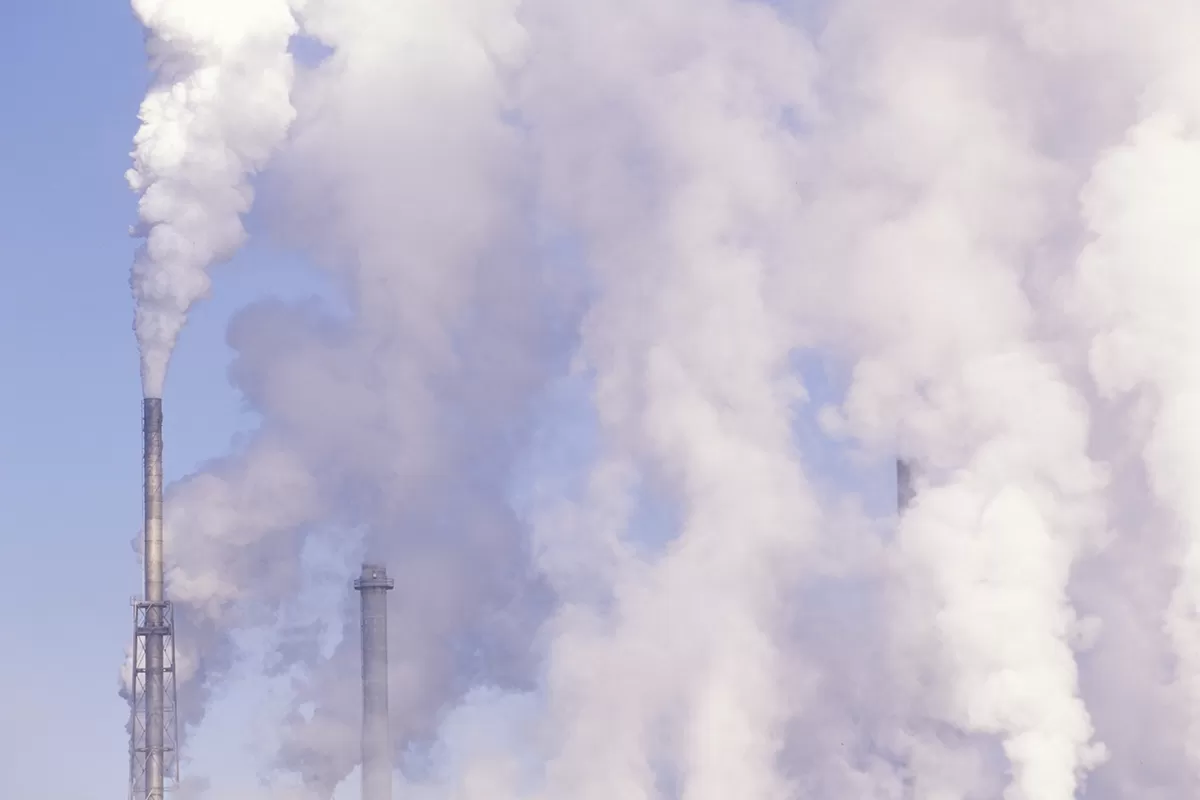
An industrial facility with emissions symbolizes the sources of pollution that contribute to global warming and ice melt.
This discovery under the East Antarctic Ice Sheet reminds us how much is still hidden on our own planet and how interconnected seemingly distant parts of the world are with our daily lives.
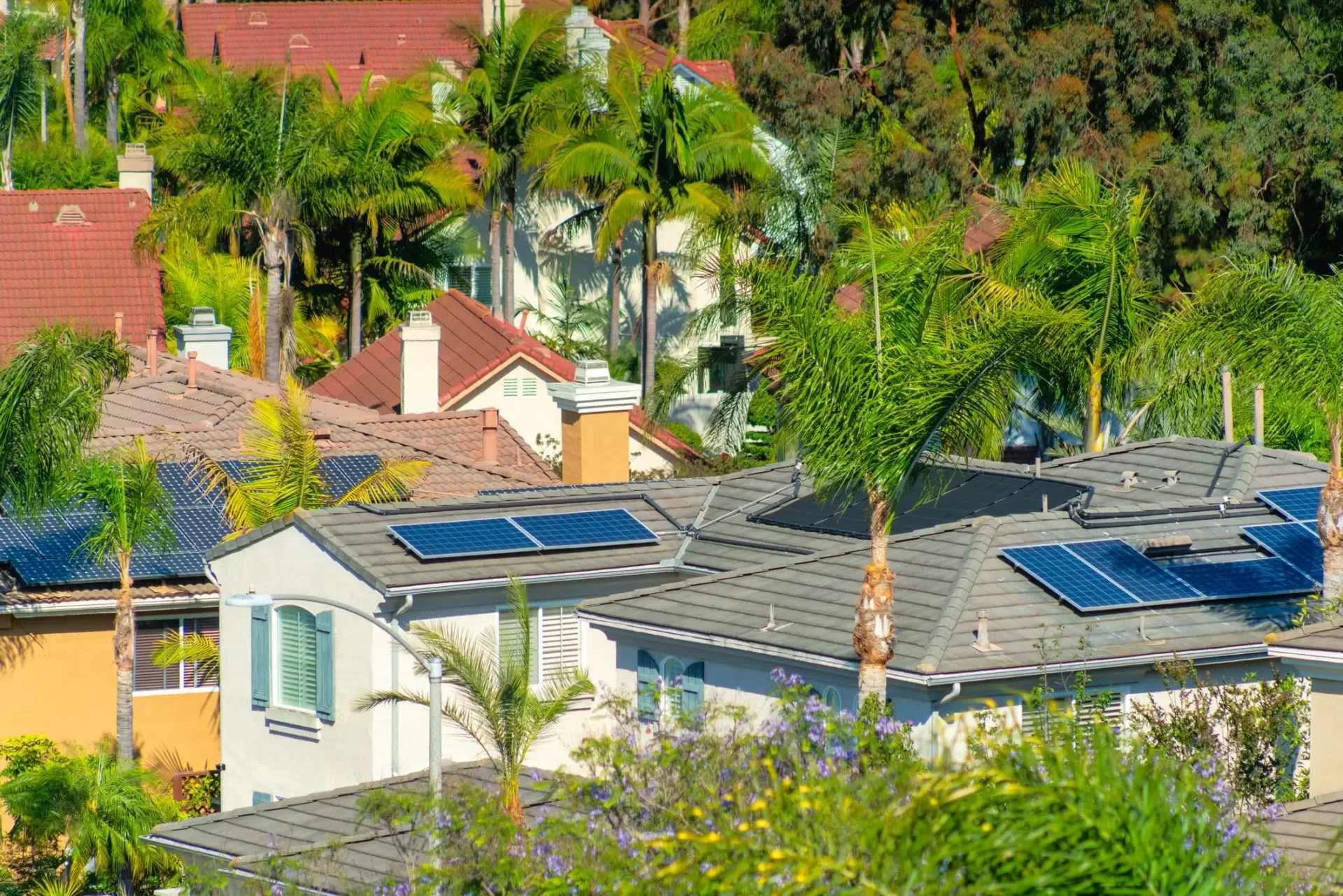
Installing solar panels on a home is one way individuals can help reduce greenhouse gas emissions.
For more fascinating science stories and practical tips for a sustainable life, explore related articles on climate change, renewable energy, and conservation.





