
For some, the final resting place might be among the stars. A pioneering space burial company is partnering with a European spacecraft developer for a unique mission that will carry cremated remains and DNA into orbit aboard a returning capsule – a first for the European company. This collaboration marks a significant step in making space more accessible for memorial flights, offering families a new way to honor loved ones with a journey beyond Earth.
This mission, dubbed the “Perseverance Flight,” is a joint effort between Celestis, a leader in space memorial services, and The Exploration Company (TEC), a European firm developing reusable spacecraft. Here’s what makes this journey special: ashes and DNA samples will travel to low Earth orbit, circle the planet, and then safely return to be recovered and kept as cherished mementos. It’s a blend of high-tech space travel and a deeply personal tribute.
A Journey to Orbit and Back
Celestis has been helping people send symbolic portions of their loved ones into space since the 1990s. They’ve launched missions on various rockets, carrying the remains or DNA of notable figures, including Star Trek actors like Nichelle Nichols and DeForest Kelley, creators like Gene Roddenberry, and even symbolic samples from four former U.S. presidents on deep space flights.
This new mission, however, offers a different kind of journey – an “Earth Rise” mission where the payload returns. For this flight, Celestis is using TEC’s Nyx “Mission Possible” capsule. Think of Nyx as a small, experimental cargo ship designed to go to space and come back.
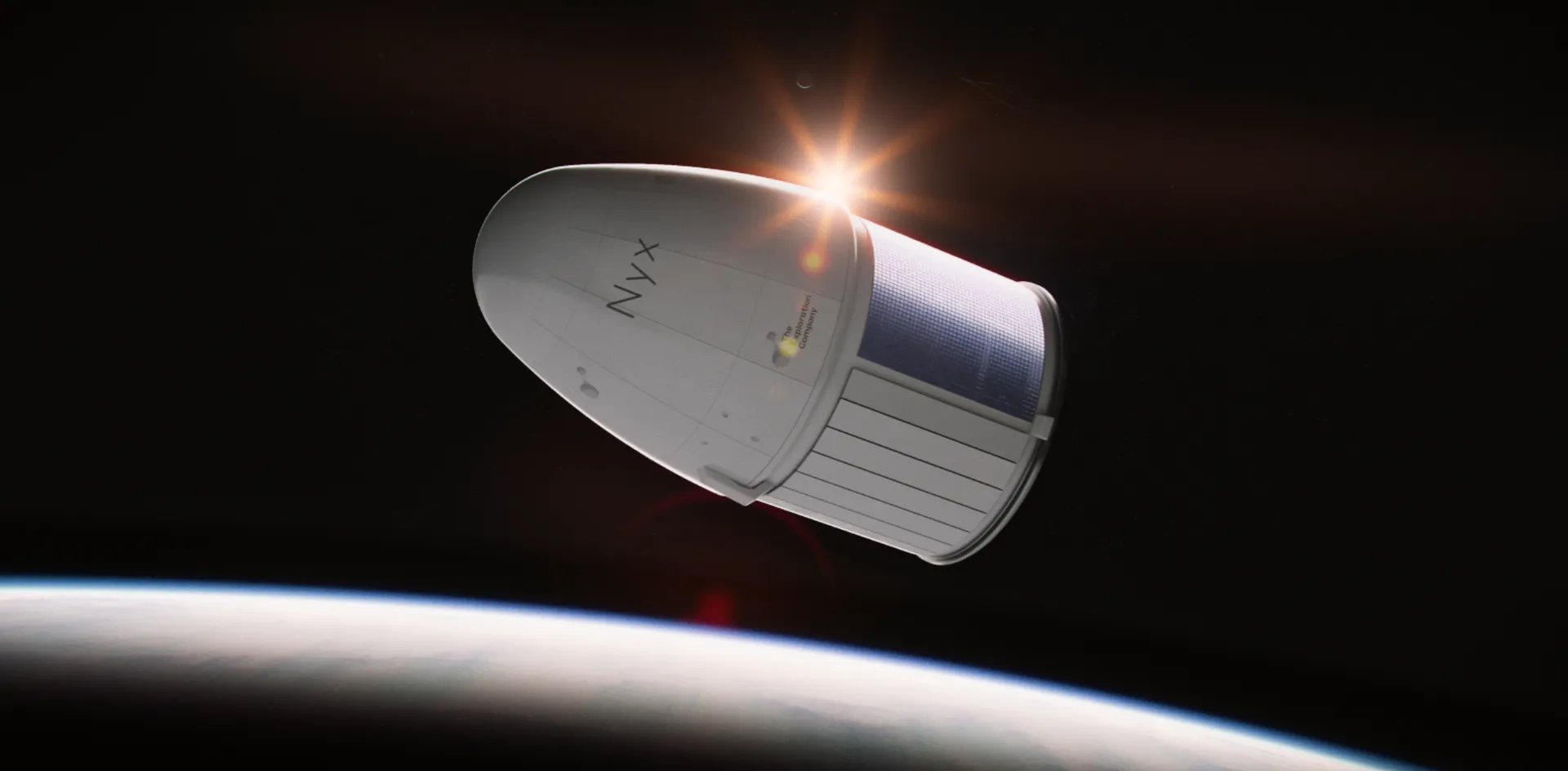 Artist rendering of a white space capsule in orbit over Earth
The Mission Possible Details
The “Perseverance Flight” payload, carrying over 150 flight capsules containing cremated remains and DNA from clients worldwide, is hosted aboard TEC’s Mission Possible capsule. This capsule is scheduled to launch on a Falcon 9 rocket as part of SpaceX’s Transporter 14 rideshare mission.
The launch is planned for Monday, June 23, 2025, at 5:18 p.m. EDT (2118 GMT) from Vandenberg Space Force Base in California.
Once in low Earth orbit, the Mission Possible capsule will complete two or three loops around our planet. After this brief orbital ballet, the capsule will re-enter the atmosphere, culminating in a splashdown in the Pacific Ocean. Recovery teams will then retrieve the capsule and the memorial containers inside, which are returned to the families as unique keepsakes.
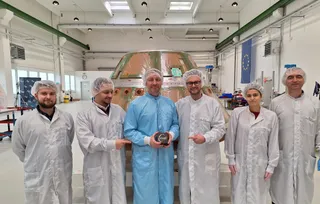 Six scientists in lab coats handing over a payload case at an aerospace facility
This marks Celestis’ 12th “Earth Rise” mission of this type and their 25th space mission overall. For The Exploration Company, it’s a crucial step – their second demonstrator mission and the very first time their spacecraft will carry customer payloads to orbit. This experience is vital as TEC works towards its larger goal: an inaugural mission of a larger Nyx vehicle planned to potentially dock with the International Space Station around 2028.
A Personal Connection to the Cosmos
Beyond the technical achievements, these missions carry deep emotional significance. Charles Chafer, Celestis co-founder and CEO, highlighted the value of this return capability, noting it creates a “spectacular liftoff and recovery experience” for families.
One particularly touching story involves three-year-old Matteo Barth, who will become the youngest German (and youngest European) to send his DNA into space on this flight. His sample will travel alongside the symbolic remains of his late grandfather, Dieter Barth, honoring the older man’s lifelong passion for space and exploration. It’s a powerful example of how space travel can connect generations and keep legacies alive among the stars.
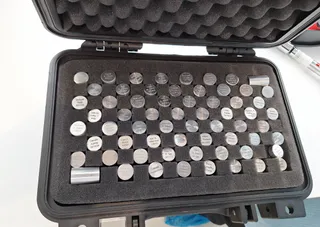 A black carrying case containing dozens of silver memorial capsules
This collaboration between Celestis and The Exploration Company opens a new door for families seeking a unique and meaningful way to remember those who have passed. By combining the established service of space burial with the emerging capabilities of reusable European spacecraft, they are expanding the possibilities for final journeys, making the cosmos a place of remembrance that can truly come home.
To learn more about space missions and discoveries, explore our other articles.





