
Imagine tiny bits of cosmic history, leftovers from the creation of our solar system, raining down on Earth each day. This June, our planet is passing through one such trail of ancient debris, giving us a chance to see the June Bootid meteor shower. While often a subtle display, it offers a fascinating connection to comets and the vastness of space, peaking around June 27th.
Contents
Here’s what you need to know to potentially catch this celestial event:
What Creates a Meteor Shower?
Every day, our planet is bombarded by about 48.5 tons (44,000 kilograms) of space dust and debris, according to NASA. When these particles hit our atmosphere, they burn up in fiery streaks we call meteors, or “shooting stars.”
Meteor showers happen when Earth’s orbit around the sun carries us through the dusty trails left behind by passing comets or asteroids. The June Bootids are caused by Earth encountering the debris stream from comet 7P/Pons-Winnecke, a icy traveler about 5 kilometers (3.1 miles) wide.
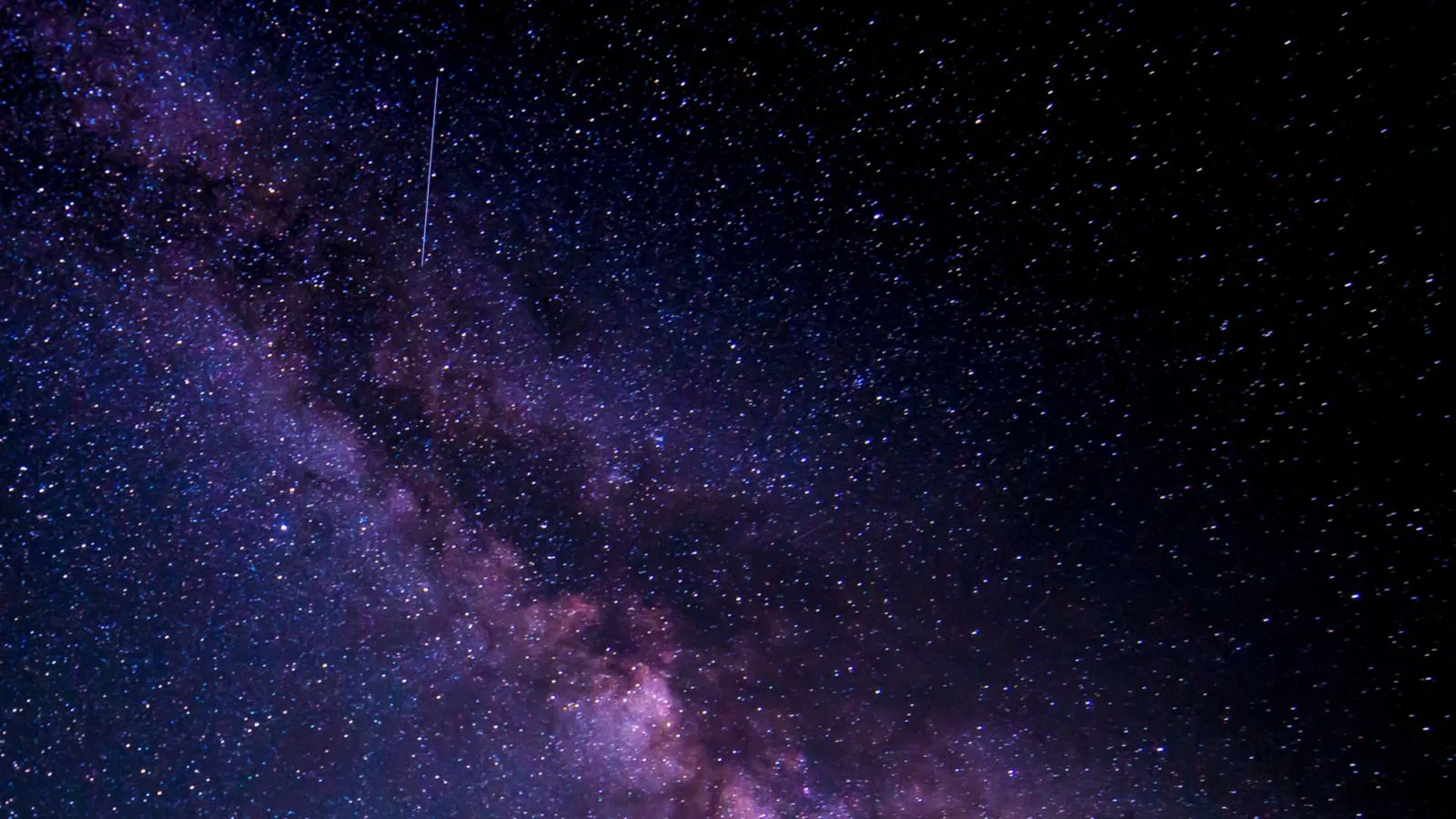 Abstract image depicting colorful space dust clouds, representing the debris trails left by comets that cause meteor showers.
When and Where to Spot the Bootids
The June Bootid meteor shower is active from June 22nd to July 2nd. The peak activity, when you’re most likely to see meteors, is expected around June 27th, as noted by the International Meteor Organization.
These meteors appear to originate from a point in the sky called the radiant, which lies within the constellation Bootes (the Herdsman). This is how the shower gets its name.
On June 27th, the radiant in Bootes will be above the horizon all night. For the best viewing, aim for the hours after dusk. The constellation will be highest in the sky just before sunset, making the subsequent dark hours ideal for scanning for faint streaks. Adding to the good news, the moon will be near its new phase around this time, providing a wonderfully dark night sky free from bright moonlight interference.
Setting Your Expectations (Manage Them!)
Now, for a dose of reality: don’t anticipate a sky filled with hundreds of shooting stars like you might see during major showers such as the Perseids in August or the Geminids in December.
The June Bootids are classified as a ‘Class III’ variable meteor shower by the American Meteor Society. This means they can occasionally produce brief bursts of activity, but more often than not, you might only spot a handful of meteors, perhaps even just one per hour or fewer. This shower is known for its unpredictability.
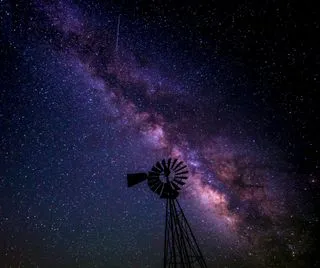 A clear night sky scene showing the Milky Way galaxy stretching across the darkness, a potential backdrop for viewing the June Bootid meteor shower.
Tips for Meteor Hunting
Even if the Bootids are often subtle, trying to spot them is a great excuse to get outside and enjoy the night sky. Here’s how to give yourself the best chance:
- Find a Dark Location: Get away from city lights if possible.
- Allow Your Eyes to Adjust: Give your eyes at least 15-20 minutes in the dark to become sensitive to faint light.
- Look Away From the Radiant: While meteors appear to shoot from Bootes, the longest and most dramatic trails are often seen about 40 degrees away from the radiant point.
- Use the “Fist” Method: A quick way to estimate degrees is to hold your clenched fist at arm’s length. It covers about 10 degrees of the sky. So, look roughly four fist-widths away from the direction of the Bootes constellation.
- Use a Stargazing App: A smartphone stargazing app can help you locate the Bootes constellation easily.
- Be Patient: Relax, look up, and enjoy the view – the meteors are a bonus!
Even if you don’t see a dazzling display, taking time to observe the night sky is a rewarding experience. The June Bootids remind us that even the faintest streaks of light can connect us to the ancient, dusty history of our cosmic neighborhood.





