
New research using advanced drones reveals that coral populations near Lizard Island in Australia’s Great Barrier Reef suffered a catastrophic die-off in 2024 due to ocean warming, highlighting the extreme vulnerability of these vital ecosystems to climate change. The study found an unprecedented average mortality rate of 92% among surveyed corals, raising significant concerns about the future survival of reefs facing increasingly frequent heat stress events.
Contents
A Devastating Snapshot from Above
Scientists from James Cook University, Griffith University, and collaborators surveyed reef areas near Lizard Island using high-resolution drone imagery in March and June 2024. This aerial view allowed them to meticulously analyze the state of the coral across 20 sections, each covering 10 square meters.
The findings were stark: the average mortality rate for bleached coral reached a staggering 92% within the surveyed sections. Furthermore, an average of 96% of the living corals in these areas showed signs of bleaching distress.
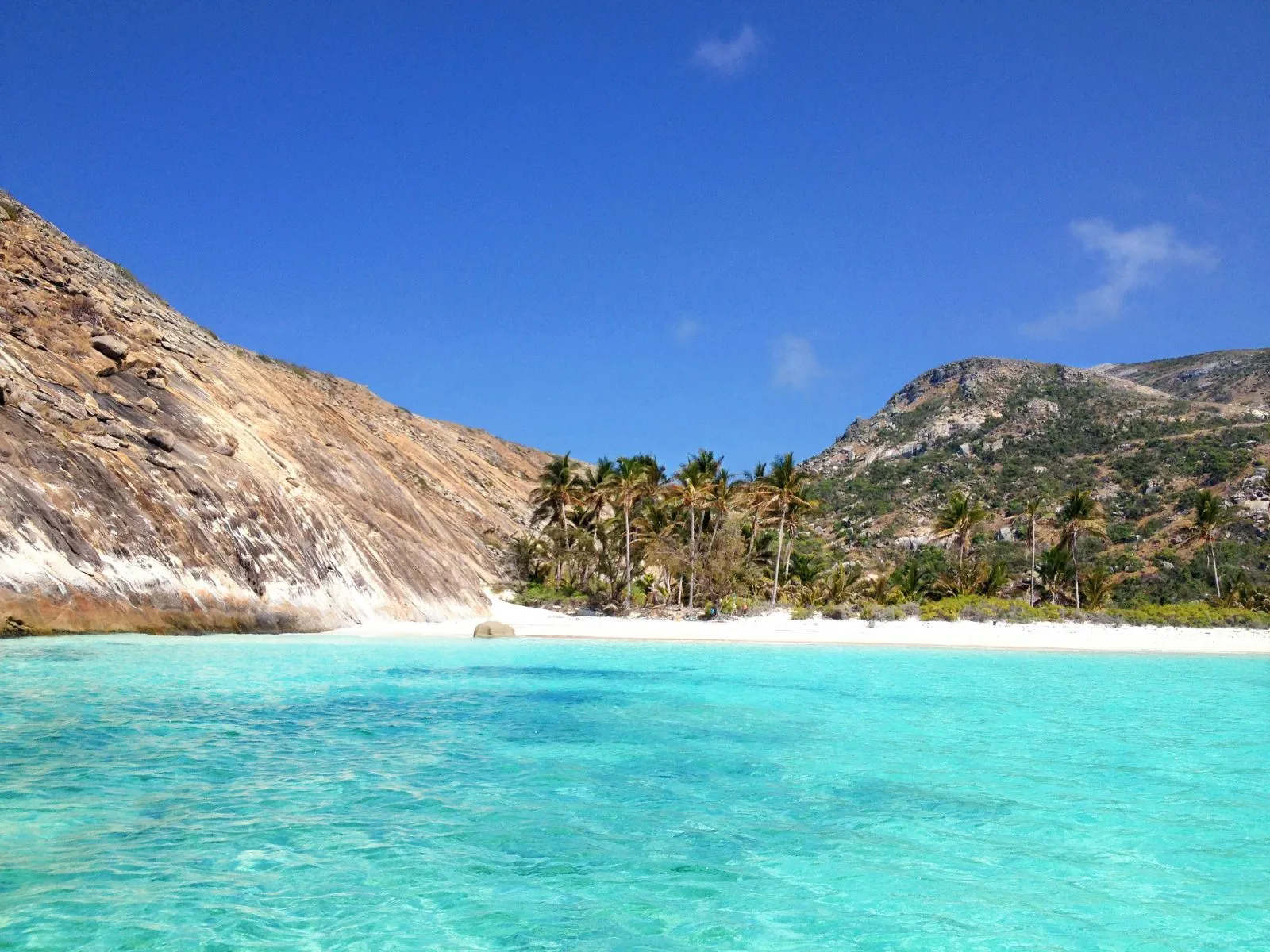 Drone survey capturing images of coral reef near Lizard Island on the Great Barrier Reef.
Dr. Karen Joyce, an Associate Professor of Remote Sensing at James Cook University who participated in the surveys, described the findings. “We analysed 20 sections… The average bleaching mortality rate reached was 92%,” she stated. What makes this particularly alarming, according to Dr. Joyce, is that “This is one of the highest rates of bleaching mortality ever recorded, despite corals at Lizard Island being exposed to lower levels of cumulative heat stress than others in many parts of the Great Barrier Reef during this bleaching event.” This suggests that even areas experiencing less extreme heat can suffer devastating losses.
Lead author Dr. Vincent Raoult from Griffith University emphasized the severity. “These results highlight the fragility of coral ecosystems facing increasing stress from climate change and the possible devastation resulting from the 2024 global bleaching event,” said Dr. Raoult.
Understanding Coral Bleaching
Coral reefs are vibrant cities of the sea, built by tiny animals called polyps. These polyps live in a crucial partnership with algae called zooxanthellae, which live inside their tissues. The algae provide the coral with food and color. However, when ocean temperatures rise, coral polyps get stressed and expel these colorful, life-giving algae. This turns the coral bone-white – a process called bleaching.
While bleached coral is not dead, it is severely weakened and vulnerable. If the warm conditions persist, the coral starves and dies, as seen in the high mortality rates near Lizard Island. The 2024 global bleaching event, fueled by rising ocean temperatures exacerbated by climate change and phenomena like El Niño, has impacted reefs worldwide, including large sections of the Great Barrier Reef.
A Concerning Outlook and What Comes Next
The high mortality rate observed near Lizard Island, even in areas with seemingly less heat stress than others, paints a concerning picture for the future of coral reefs. Dr. Joyce notes that predictions point to increasing frequency and intensity of extreme weather events impacting reefs. Compounding this, several studies suggest corals may be losing their ability to recover as effectively after bleaching events.
The research team, including experts from JCU, Griffith University, Macquarie University, CSIRO, and GeoNadir, isn’t stopping here. Supported by an Australian Museum Lizard Island Critical Grant, they are conducting additional surveys at Lizard Island. These ongoing efforts aim to track any potential recovery of the coral populations into 2026. The findings from the initial surveys have been published in a scientific paper, contributing to the growing body of knowledge about the impacts of climate change on marine life.
Understanding the patterns of loss and the potential for recovery, or lack thereof, is critical for informing conservation efforts and highlighting the urgent need to address the root causes of ocean warming. The fate of magnificent ecosystems like the Great Barrier Reef hinges on our ability to curb greenhouse gas emissions and give these resilient, yet fragile, habitats a fighting chance.