
Imagine a vibrant underwater city, teeming with life and color, suddenly becoming a ghost town. That’s the stark reality revealed by recent drone surveys near Lizard Island on Australia’s Great Barrier Reef. Scientists have found that coral bleaching linked to warming oceans has caused an unprecedented collapse in the reef’s health in this area, highlighting the severe impact of global marine heatwaves. These findings serve as a critical indicator of the vulnerability of coral ecosystems worldwide.
Contents
A Reef in Crisis: What Scientists Discovered
The scene near Lizard Island is dire. Surveys conducted in March and June of 2024 painted a grim picture: an average of 92% of coral that recently died from bleaching across the surveyed areas. Even more startling, 96% of the living coral in these sections showed signs of being affected by bleaching.
Dr. Vincent Raoult from Griffith University called this mortality rate “unprecedented.” It’s a level of devastation rarely seen, even in areas of the Great Barrier Reef that experienced higher cumulative heat stress during this global bleaching event. This suggests that some locations, even those seemingly less exposed, can suffer catastrophic losses under the right conditions.
Eyes in the Sky: How Drones Helped
Scientists needed a way to get a detailed, up-to-date look at the reef’s condition across significant areas. That’s where advanced drones came in. Dr. Karen Joyce, an Associate Professor at James Cook University, explained that their team used high-resolution imagery captured by drones.
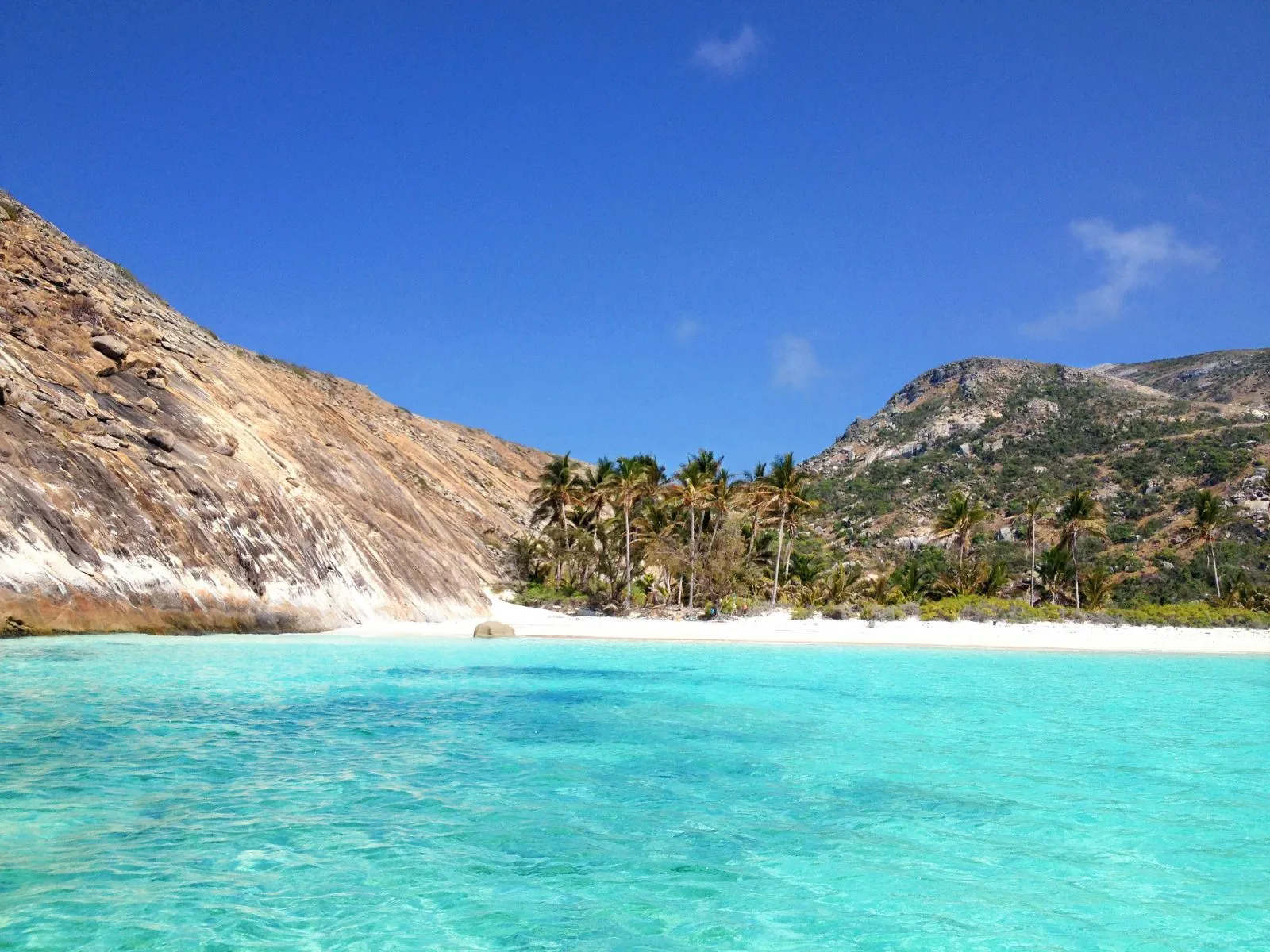 High-resolution drone image captures stunning view of Lizard Island coral reef from above
They then analyzed 20 specific sections, each the size of a tennis court (10m x 10m), across the northern and southern reefs around Lizard Island. This meticulous analysis of the drone footage allowed them to calculate the shocking mortality rates with high accuracy.
Why This Matters: A Warning for the Future
Coral bleaching isn’t just about corals losing their color; it’s a stress response that can lead to starvation and death. When ocean temperatures rise, corals expel the symbiotic algae living in their tissues, which provide them with food and color. If the heat stress is prolonged or severe, the coral dies.
This extreme die-off at Lizard Island is a stark reminder of the increasing threats facing coral reefs globally. Scientists predict that marine heatwaves, like the one contributing to this event, will become more frequent and intense due to climate change. What’s more, studies show that corals are struggling to recover between these increasingly frequent stress events. Dr. Joyce notes that the long-term outlook for these vital ecosystems is deeply concerning.
This research, involving experts from James Cook University, Griffith University, Macquarie University, CSIRO, and GeoNadir, underscores the fragility of these underwater worlds in the face of a warming planet.
To learn more about the specific findings, you can read the full research paper.
What Happens Next? Tracking Recovery
While the damage is severe, the work isn’t over. The research team is continuing their surveys at Lizard Island into 2026, funded by an Australian Museum Lizard Island Critical Grant. They will be closely monitoring these devastated areas to see if any recovery is possible and how the ecosystem responds after such a massive loss.
Understanding whether and how reefs can bounce back after extreme events like this is crucial for informing conservation efforts and future management strategies for the Great Barrier Reef and other threatened coral reefs around the world.
This sobering discovery highlights the urgent need to address climate change and protect marine environments to give these incredible ecosystems a fighting chance for survival. You can learn more about the Great Barrier Reef and the challenges it faces on other related articles.





