
New data reveals a milestone moment for our planet’s atmosphere: atmospheric carbon dioxide levels have hit a mark not seen in millions of years. This striking discovery, reported by the NOAA and Scripps Institution of Oceanography, shows CO2 reaching 430.2 parts per million (ppm) in May 2025, a significant increase from the previous year. It underscores the urgent reality of climate change and our impact on Earth’s delicate balance.
Contents
This new reading from the Mauna Loa Observatory in Hawaii highlights the accelerating pace at which human activity is altering the atmosphere. It means more heat is being trapped, driving changes across the globe, from rising temperatures to shifting weather patterns. Understanding this number, why it’s rising, and what it means for our future is crucial.
Tracking Earth’s Breath: The Keeling Curve
For decades, scientists have used the Mauna Loa Observatory, perched high above the Pacific Ocean, as a key site for monitoring atmospheric CO2. This location is ideal because it’s relatively free from local pollution sources. The data collected here forms the basis of the famous Keeling Curve, a graph that shows the steady rise of CO2 in our atmosphere.
The Keeling Curve also shows a fascinating annual rhythm. CO2 levels naturally dip in the Northern Hemisphere spring and summer as plants grow and absorb carbon dioxide, then rise in the fall and winter as vegetation decays and releases it. Think of it like the Earth taking a deep breath in and out each year. However, overlaid on this natural cycle is an alarming upward trend, driven primarily by the burning of fossil fuels. May typically marks the annual peak of this cycle before the summer growth begins to draw CO2 down.
This Year’s Record-Breaking Number
According to the latest report, the average CO2 concentration measured at Mauna Loa for May 2025 was 430.2 ppm. This is a jump of 3.5 ppm since May 2024, one of the largest single-year increases recorded.
To put 430.2 ppm into perspective, scientists estimate that before the Industrial Revolution, atmospheric CO2 levels hovered around 280 ppm. The current level is not only significantly higher than pre-industrial times but is believed to be the highest the Earth’s atmosphere has experienced in roughly 4 million years, a period when global temperatures and sea levels were considerably higher than today.
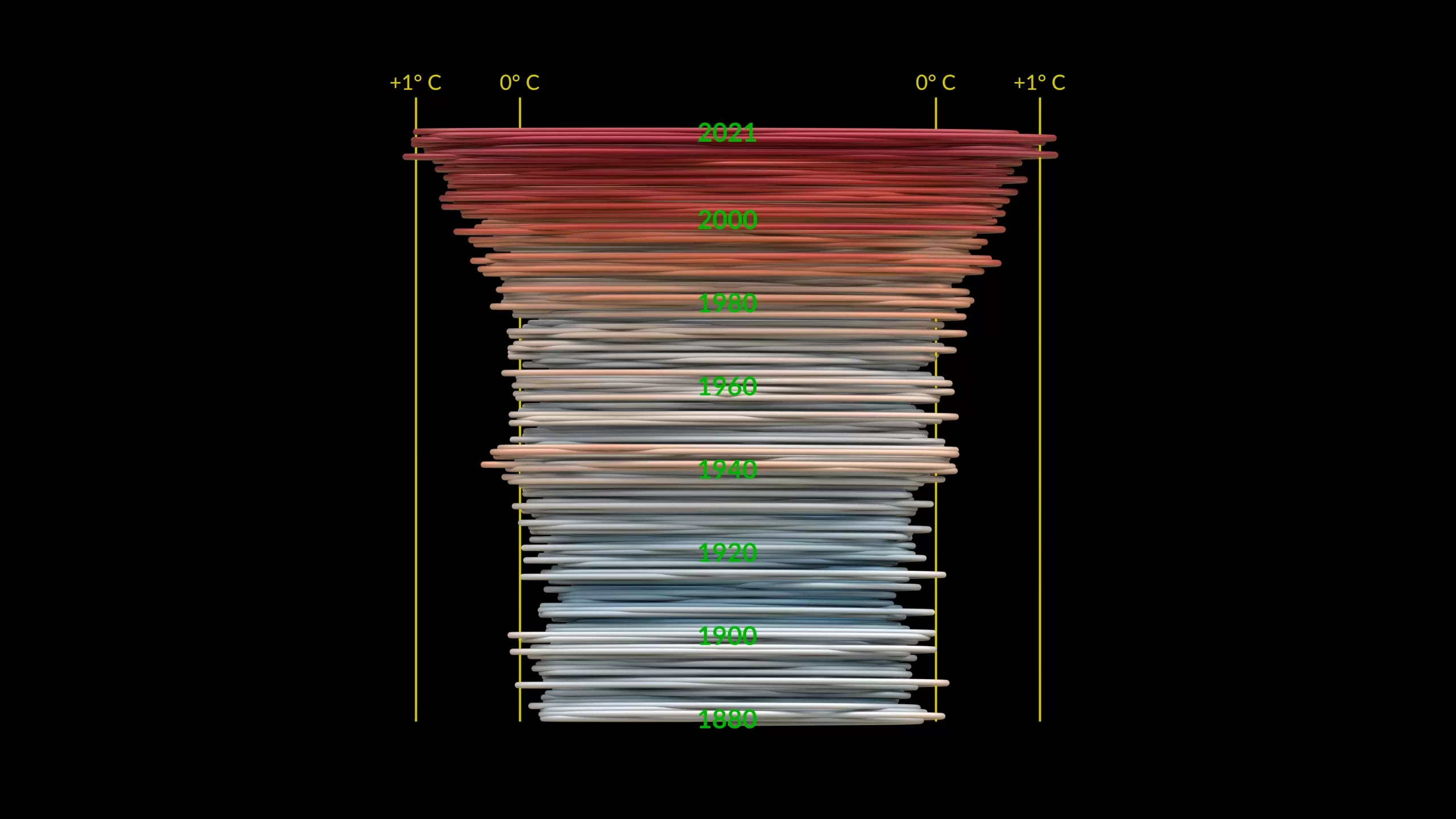 Global temperature change visualization linked to rising atmospheric carbon dioxide levels
Why Does CO2 Matter So Much?
Carbon dioxide is a greenhouse gas. You can think of greenhouse gases in the atmosphere like a blanket wrapped around the Earth. Sunlight passes through the atmosphere and warms the surface. The Earth then radiates this heat back outwards, but greenhouse gases absorb some of it, trapping it in the atmosphere. This is a natural process essential for keeping our planet warm enough to support life.
However, when we add more CO2 and other greenhouse gases to the atmosphere, it’s like adding extra blankets. More heat gets trapped, causing the planet’s average temperature to rise. This global warming is the core of what we call climate change.
The Impacts of a Warming World
Rising global temperatures triggered by increasing CO2 have a cascade of effects. They melt ice sheets and glaciers, contributing to rising sea levels that threaten coastal communities and ecosystems. Warmer oceans expand and absorb less CO2, creating a feedback loop. We also see more frequent and intense extreme weather events, from heatwaves and droughts to floods and storms. Some major cities around the world are already slowly sinking, a threat amplified by rising sea levels.
While the Mauna Loa data represents one location, it is a critical benchmark reflecting the global trend. The continued rise in CO2, even year over year, confirms that the fundamental driver of climate change is accelerating.
What This Means and What Comes Next
The 430.2 ppm mark is a stark reminder of the scale of the challenge posed by climate change. While the data can feel overwhelming, understanding these numbers is the first step. It highlights the urgent need to transition away from fossil fuels and develop solutions to reduce atmospheric CO2. Continued monitoring, like the vital work done at Mauna Loa, remains essential for tracking our progress and informing action.
Even though tackling climate change is a global undertaking, individual and collective efforts to reduce our carbon footprint, support sustainable practices, and advocate for policy changes are more important than ever. Understanding the science behind the headlines empowers us to make informed decisions and work towards a more sustainable future for our planet.





