
In a significant scientific breakthrough, researchers have successfully engineered fruit flies that voluntarily consume cocaine, creating the first insect model for cocaine addiction. This development is crucial because it provides a fast and efficient way to study the complex genetic and neurological factors underlying addiction, potentially accelerating the discovery of much-needed treatments for cocaine use disorder in humans.
Contents
Unlocking the Secrets of Addiction, Faster
Cocaine use disorder affects millions worldwide, and understanding why some people become addicted while others don’t is a major challenge. Genetics plays a big role, but pinpointing the exact genes involved has been difficult. This is where the tiny fruit fly, Drosophila melanogaster, comes into the picture.
Fruit flies might seem vastly different from humans, but surprisingly, they share about 75% of the genes linked to human diseases, including those suspected of playing a part in addiction. They also react to cocaine in ways similar to humans – low doses make them more active, while high doses can incapacitate them. Plus, flies reproduce quickly and are easy to study genetically, making them ideal for rapid research.
The main hurdle? Fruit flies naturally detest the taste of cocaine. Like many plant compounds, cocaine is bitter, and flies are hardwired to avoid bitter substances as a defense against toxins. When offered a choice between plain sugar water and sugar water laced with cocaine, flies consistently avoided the drug.
Bypassing Nature’s Bitter Warning
Researchers, led by Dr. Adrian Rothenfluh at the University of Utah, suspected the fly’s strong bitter taste receptors were the key to their avoidance. Imagine these receptors as tiny alarms on the fly’s “feet” (tarsal segments) and mouthparts, warning them: “Danger! This is bitter and potentially toxic!”
By genetically modifying the flies to disable these bitter-sensing receptors, the scientists effectively silenced the “Danger!” alarm. Without the deterrent of the bitter taste, something remarkable happened.
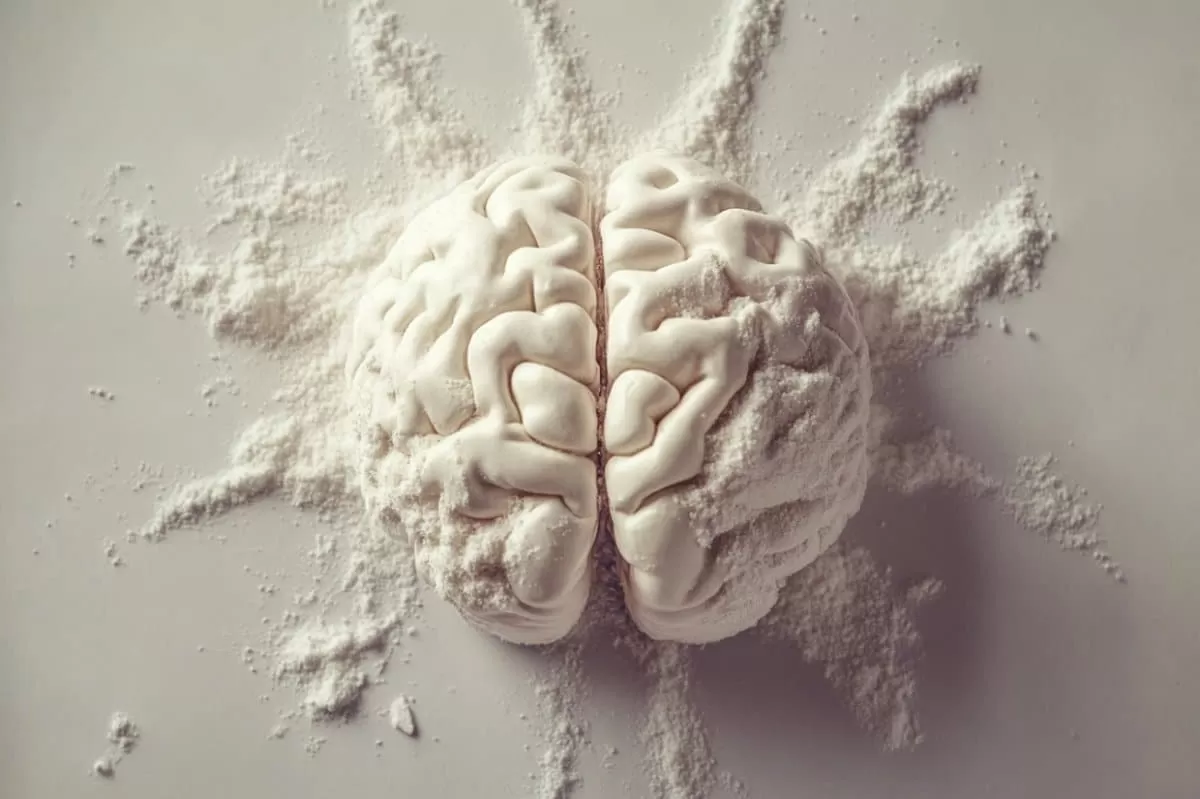 Illustration showing a brain, representing the neural and genetic basis of cocaine addiction research
Given the choice again, the modified flies started showing a preference for the cocaine-laced sugar water. They developed this preference surprisingly fast, within just 16 hours of their first exposure, provided the cocaine concentration was low enough. This voluntary consumption mimics a key aspect of addictive behavior seen in humans.
From Tiny Wings to Major Impact
Creating this fruit fly model is a significant leap forward. Because scientists can now get flies to choose cocaine, they can study the underlying biological processes involved in developing that preference.
This model allows for incredibly fast screening of hundreds, or even thousands, of genes suspected of contributing to addiction risk. What might take years to study in more complex organisms can be explored much more quickly in flies. Identifying these “risk genes” in flies can then guide research in mammalian models and eventually lead to identifying potential targets for new therapies.
As the researchers note, understanding the basic mechanisms in a simple organism like a fruit fly can provide unexpected insights into the complex human brain and conditions like cocaine use disorder. This groundbreaking work published in the Journal of Neuroscience opens a new avenue in the fight against addiction, offering the potential for faster discoveries and, ultimately, better treatments. The tiny fruit fly, once repelled by cocaine, could now hold clues to helping humans overcome its grip.





