
Our dream of exploring distant worlds like Mars is closer than ever, but there’s a huge challenge: the human body isn’t built for deep space. From invisible radiation bombs to crumbling bones and struggling minds, astronauts face extreme risks far from Earth, pushing scientists to invent new ways to keep explorers safe and healthy on long journeys. These challenges include protecting astronauts from harmful radiation, combating the effects of weightlessness on their bodies, ensuring reliable medical care and supplies, supporting mental well-being during isolation, and finding sustainable ways to feed crews over years.
Contents
The Harsh Reality Beyond Earth’s Shield
Leaving Earth’s protective atmosphere and magnetic field means facing cosmic forces head-on.
Radiation: An Invisible Enemy
Imagine being bombarded by tiny, invisible bullets every second. That’s a bit like space radiation, high-energy particles zipping through the cosmos. On Earth, our atmosphere and magnetic field protect us, but in deep space, astronauts are exposed. Experts estimate a crew member on a Mars trip could receive the same radiation dose in one day as a person on Earth gets in a whole year. This constant exposure can damage cells and DNA, significantly increasing the long-term risk of serious health issues like cancer, cataracts, and other degenerative diseases years after a mission ends.
Gravity’s Missing Hug
Gravity is like a constant, gentle workout for our bones and muscles. Take that away in the microgravity environment of space, and the body starts to slack off. Bones lose density at an alarming rate, about 1% per month – like your skeleton slowly becoming brittle. Muscles atrophy without the need to work against gravity. Fluids in the body shift upwards, causing puffy faces and potentially affecting vision and kidney function. It’s a full-body adjustment that isn’t healthy long-term and requires intense exercise regimes just to slow the effects.
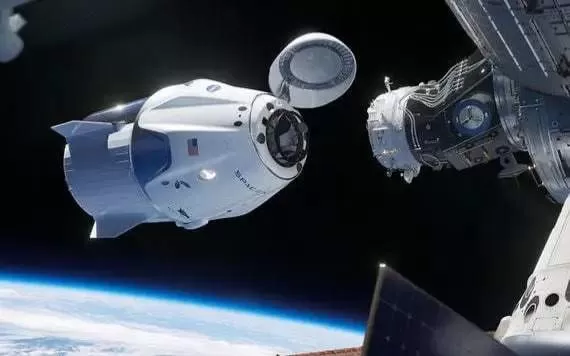 International Space Station orbiting Earth, where astronauts study the effects of space on the human body
Staying Healthy Billions of Miles Away
Providing medical care when you’re millions of miles from the nearest hospital presents unique problems.
Medicine and Emergencies
On Earth, medical help and fresh supplies are usually readily available. In deep space, you’re essentially on your own. Imagine a medical emergency, like a sudden illness, and needing advice from Earth. The communication delay to Mars can be up to 20 minutes each way, making real-time guidance impossible in a crisis. This is driving the need for advanced autonomous systems, like AI doctors, that can diagnose and recommend treatment on board.
Even common medications become complicated. Most drugs have a shelf life too short for a multi-year Mars mission. Up to 98% of onboard medicine supplies could expire before the crew returns. Furthermore, the space environment – radiation, temperature, humidity – can alter the chemical composition and effectiveness of medications. Studies show astronauts sometimes need repeat doses of sleep aids, possibly because the drugs simply don’t work the same way in orbit. Scientists are researching new ways to stabilize drugs or even manufacture them on demand in space.
The Mind in Isolation
Space is vast, but the spacecraft is small and offers no escape. This confinement and isolation take a significant psychological toll.
Coping with the Bubble
Living in cramped quarters with the same few people for years, far from family, friends, and everything familiar, is intensely challenging. Isolation, stress, constant equipment noise, and disrupted sleep cycles (due to weird lighting and schedules) can severely affect mental health. It’s like being in a high-stakes lockdown that lasts for years. Space agencies are developing countermeasures, from special lighting to regulate circadian rhythms to virtual reality tools offering mental breaks or simulated connections to Earth. These techniques are being tested in ground-based simulated missions and will be refined on lunar voyages.
Feeding the Exploration
You can’t just pack enough food for a multi-year journey to Mars and back. It’s simply too much weight and storage space. Plus, nutritious, appealing food is crucial for morale.
Growing Food Off-World
Conditions on the Moon and Mars are extreme – temperatures swing wildly, radiation is high, and the soil isn’t ready for traditional farming. This means future long-duration missions need ways to produce food onboard or on the surface. Initiatives like the Deep Space Food Challenge encourage innovation in autonomous food production systems that can grow fruits and vegetables with minimal resources. Other research explores using genetically modified microorganisms in bioreactors to efficiently produce essential nutrients. It’s about turning science fiction into reality to sustain explorers far from home.
Making deep space travel safe and sustainable for humans requires overcoming incredible, multi-faceted obstacles. The research happening now – developing AI doctors, figuring out how to grow food in harsh environments, creating better radiation shielding, and understanding the body’s physical and mental limits – isn’t just about sending astronauts to Mars. It’s pushing the boundaries of science, engineering, and medicine in ways that drive innovation and could benefit life right here on Earth. These advancements are paving the way for humanity’s next giant leap into the cosmos.





