
SpaceX is rapidly building its Starlink satellite internet network, successfully launching 27 more satellites into orbit using its reliable, reusable Falcon 9 rocket. This latest mission on Saturday featured another perfect landing of the rocket booster, highlighting the technology driving frequent access to space. Key takeaways from this launch include the continued rapid deployment of the Starlink constellation, the growing success of Falcon 9 booster reusability, and SpaceX’s plans for an even busier launch schedule ahead.
The Latest Starlink Mission
On Saturday afternoon, a SpaceX Falcon 9 rocket lifted off from Vandenberg Space Force Base in California. Aboard the rocket were 27 Starlink satellites, bound for low-Earth orbit. These satellites are part of the growing Starlink constellation, designed to provide high-speed internet access, especially to remote areas worldwide. This mission followed closely on the heels of another successful SpaceX launch from the East Coast on Friday, which deployed an advanced GPS satellite for the U.S. Space Force.
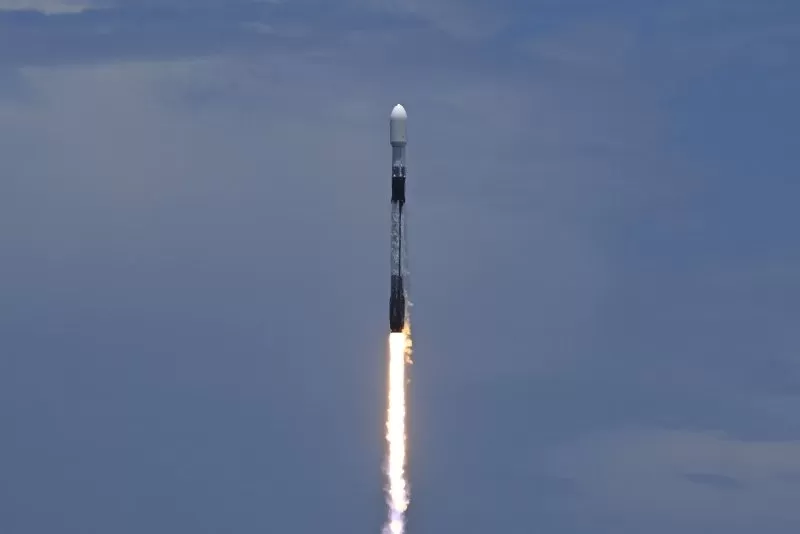 SpaceX Falcon 9 rocket launches 27 Starlink satellites from California's Vandenberg Space Force Base
Rocket Returns Home
A key part of SpaceX’s strategy is reusing its rockets, similar to how an airplane lands after a flight. Just minutes after launch, the Falcon 9’s first-stage booster performed a controlled descent and successfully landed on the “Of Course I Still Love You” drone ship stationed in the Pacific Ocean. This marked the 133rd successful booster landing for SpaceX, showcasing the maturity and reliability of their reusable technology. This reusability significantly lowers launch costs and allows SpaceX to maintain a breathtaking launch cadence.
Building the Network
The frequency of these launches is crucial for building out the vast Starlink network needed to provide global internet coverage. SpaceX is operating at an unprecedented pace in the space industry. To keep up with demand, the company is reportedly producing a Falcon 9 second stage – the non-reusable upper part of the rocket – about every 2.5 days. This production speed, combined with booster reusability, is key to deploying thousands of Starlink satellites quickly.
Looking Ahead
SpaceX isn’t slowing down. According to Anne Mason, SpaceX’s Director of National Security Space Launch, at least 170 more Falcon launches are planned for this year alone. This ambitious schedule underscores the high demand for launch services, both for commercial customers like Starlink and government clients. To support this rapid expansion, the company is also exploring expanding its launch infrastructure, including potentially acquiring Space Launch Complex 6 at Vandenberg Space Force Base.
SpaceX’s relentless launch schedule and mastery of reusable rocket technology are fundamentally changing the space industry and accelerating the deployment of global satellite internet. This mission, like many others, demonstrates how Falcon’s reusability and reliability are critical to supporting assured access to space. You can learn more about other recent space achievements, such as SpaceX launching an advanced GPS satellite or NASA’s Artemis program updates.





